Indonesia
Indonesia pledges fiscal discipline as rupiah weakens past Rp18,000
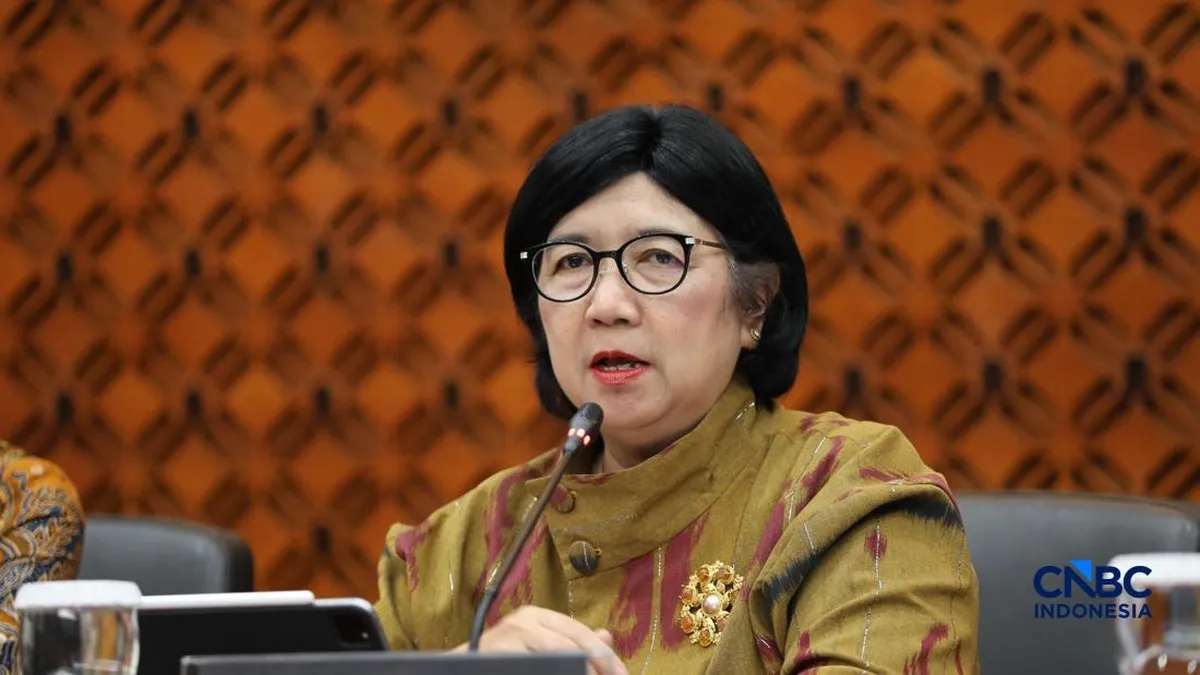
The finance ministry says coordination with Bank Indonesia will continue while respecting the central bank’s independence in monetary policy.
Economy stories about Indonesia. Growth, prices, jobs, central banks and budgets.
Page 18 of 24
The finance ministry says coordination with Bank Indonesia will continue while respecting the central bank’s independence in monetary policy.
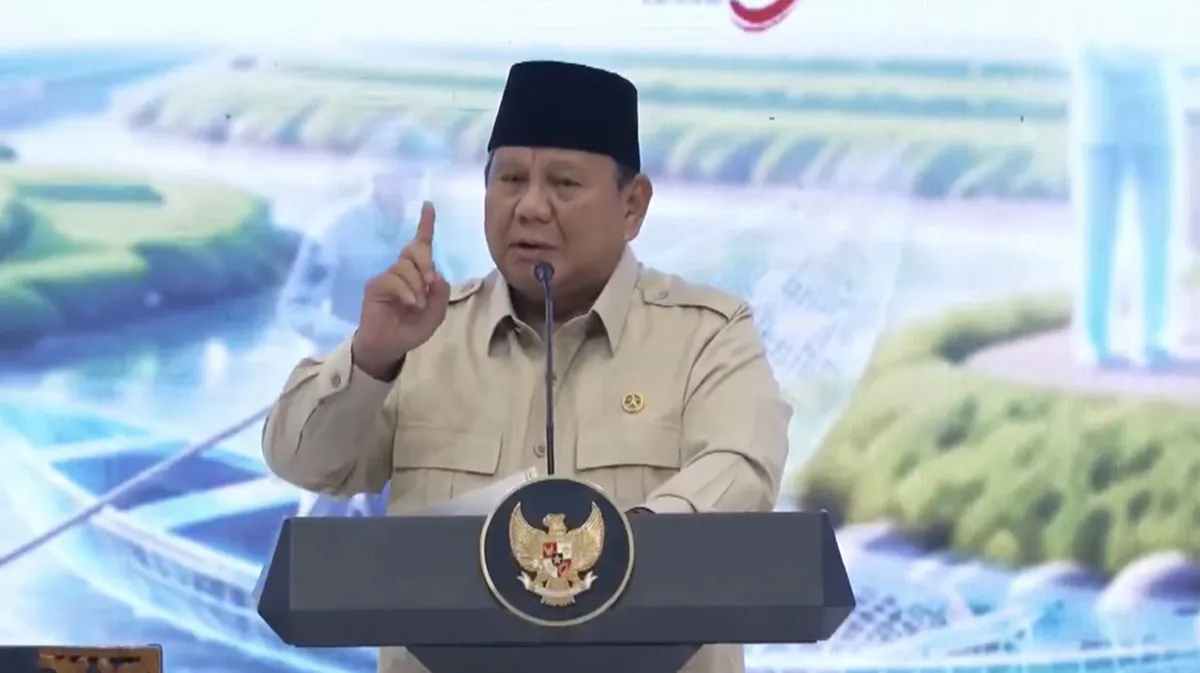
President Prabowo Subianto said the 2027 lending target would cover about 28 million families, including rural residents and low-income urban households.
Construction is under way at 1,269 locations, while another 100 are preparing for operations under a wider programme covering 5,000 villages.
Financing reached 2,106,401 beneficiaries through 343 institutions, mainly supporting micro, small and medium-sized enterprises.
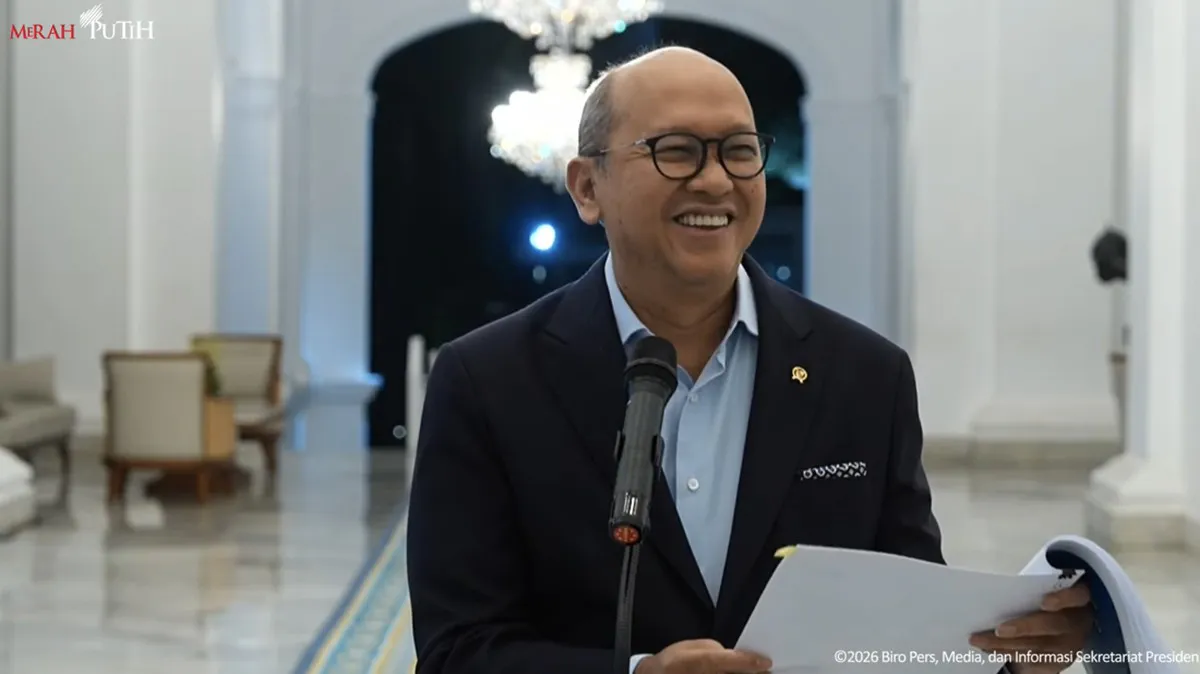
The National Economic Council says production curbs have supported prices, with export value projected to rise 28% from 2024.
Investment rose about 31 per cent compared with the previous two-year period and generated employment for 5,485,944 people, government figures show.
Property financing can reach 100% of value at banks that meet specified bad-loan criteria, while the vehicle policy covers all new motor vehicle types.
Bahlil Lahadalia said receipts surpassed the Rp133.93 trillion budget target, while coal export earnings are projected to exceed US$30 billion.
Farmers’ purchasing power has strengthened, while rice imports for domestic consumption have stopped, according to the food affairs minister.
Volatile food inflation reached 5.03 per cent nationally in September 2026, with higher rates in Sulawesi, Maluku and Papua, and Kalimantan.