Thailand
Thai central bank warns legal changes could weaken governor’s independence
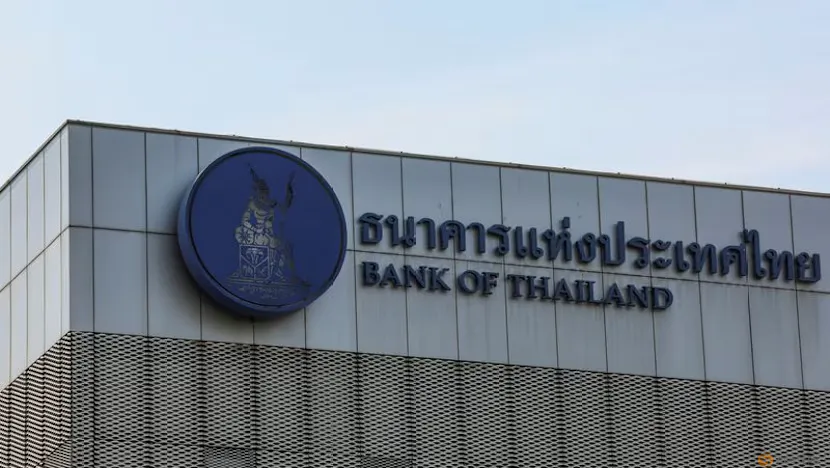
The Bank of Thailand said its board had approved no amendments, following criticism from its chairman over the pace of a legal review.
Economy stories about Thailand. Growth, prices, jobs, central banks and budgets.
The Bank of Thailand said its board had approved no amendments, following criticism from its chairman over the pace of a legal review.
The third-quarter result missed a Bloomberg survey estimate of 3.1 per cent, while household consumption grew modestly and government spending fell.
Digital projects led third-quarter spending, while actual investment over the first nine months of 2026 reached ฿796.5 billion.
The monetary policy committee voted unanimously to hold the key rate at 1 per cent, with its next review scheduled for Dec 23.
A package awaiting cabinet approval includes extensions for 2.3 million migrant workers and changes to employment rules for Myanmar refugees.
Several forecasters have raised their 2026 estimates, but weak household finances continue to constrain consumption and services.
The plan would give Thai employers another recruitment channel under bilateral agreements covering employment procedures and safeguards against trafficking.
Officials say existing food supplies are sufficient, with rice and chicken egg output exceeding domestic needs, and households do not need to stockpile.
The annual rise exceeded the Reuters poll forecast of 3.24 per cent and took headline inflation above the central bank’s target range.
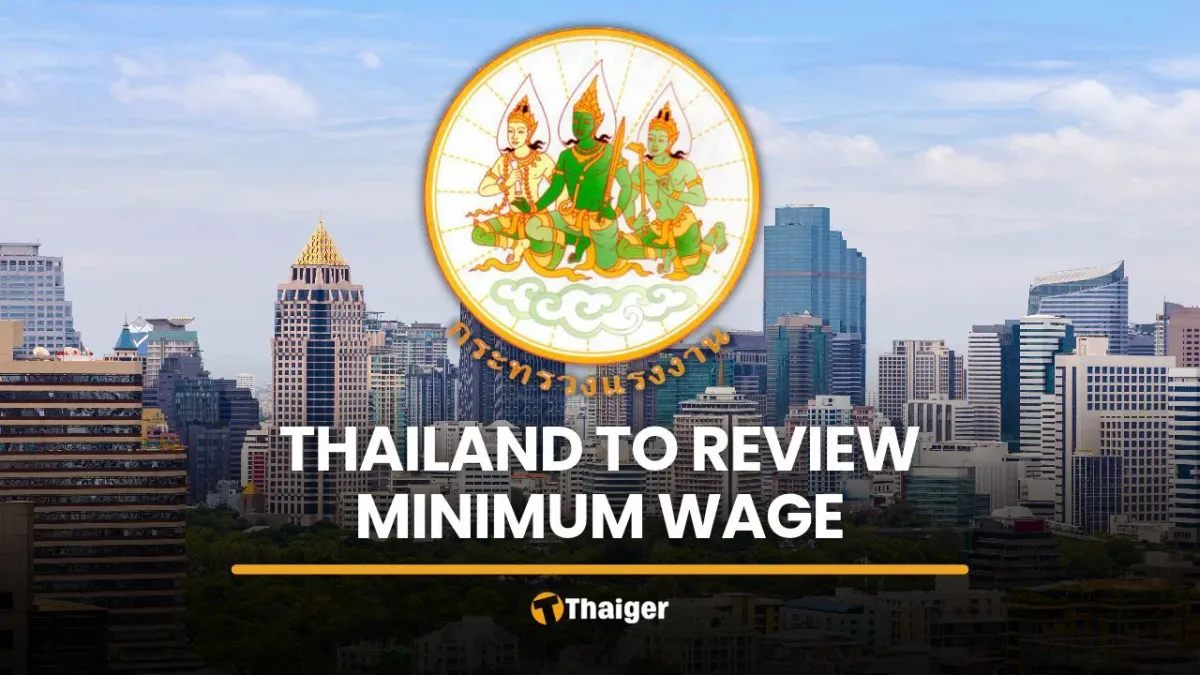
The Wage Board will keep its current calculation criteria and provincial groupings. Revised rates and their start dates have not been announced.