Thailand approves excise tax increase to 35% for fully imported EVs
The new tiered tax structure aims to encourage local manufacturing, with the higher rate reportedly scheduled for Jan 1, 2027.
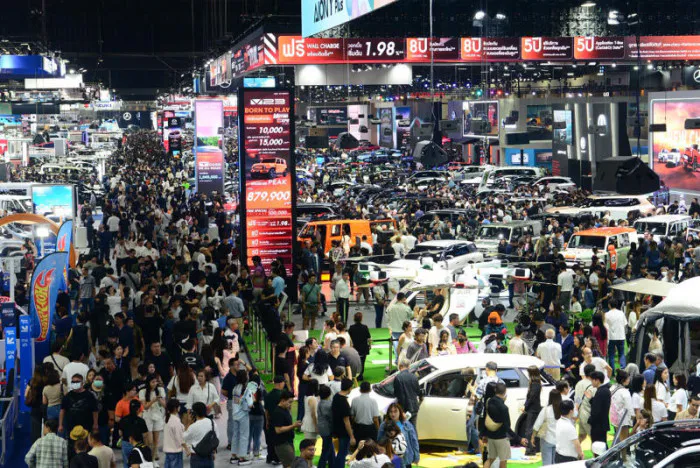
Thailand’s cabinet has approved raising excise tax from 10% to 35% on fully imported electric vehicles, Finance Minister Ekniti Nitithanprapas said. The change forms part of a tiered tax system intended to attract investment and expand domestic production.
Reports indicate that the higher rate is due to take effect on Jan 1, 2027. The government’s plan targets completely built-up EVs imported without a manufacturing base in Thailand. It aims to protect companies that have invested in Thai factories and supply chains, while encouraging import-dependent carmakers to accelerate talks on establishing local plants.
Meanwhile, September 2026 registrations of new EVs and electric motorcycles totalled 22,587, an increase of 89.7% year on year, the Federation of Thai Industries (FTI) said, citing Department of Land Transport figures. Electric passenger cars accounted for 19,425 registrations, up 98.6%.
Registrations across all EV categories reached 191,273 in the first nine months of 2026, rising 83% from the corresponding period in 2025. That figure included 167,789 electric passenger cars. The FTI forecasts between 200,000 and 220,000 registrations for the full year, against roughly 120,000 in 2025.
Thailand’s charging network comprised 5,021 locations and 15,290 connectors at the end of September.