Malaysia
Malaysian firms seen avoiding immediate disruption from US chip curbs
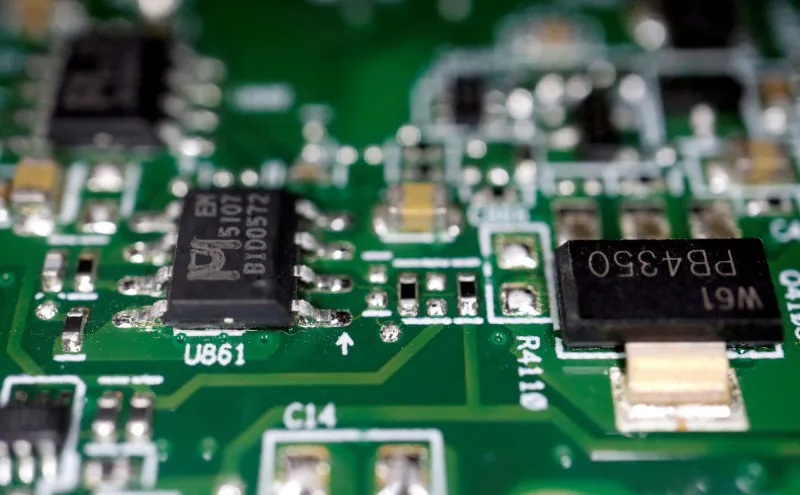
New US rules require approval for access to certain advanced AI chips, while Malaysia is proposing greater disclosure by data-centre operators.
Trade & Policy stories about Malaysia. Trade deals, tariffs, investment rules and regulation.
New US rules require approval for access to certain advanced AI chips, while Malaysia is proposing greater disclosure by data-centre operators.
Malaysia’s prime minister also called for fairer distribution of growth and an ethics-driven approach to artificial intelligence.
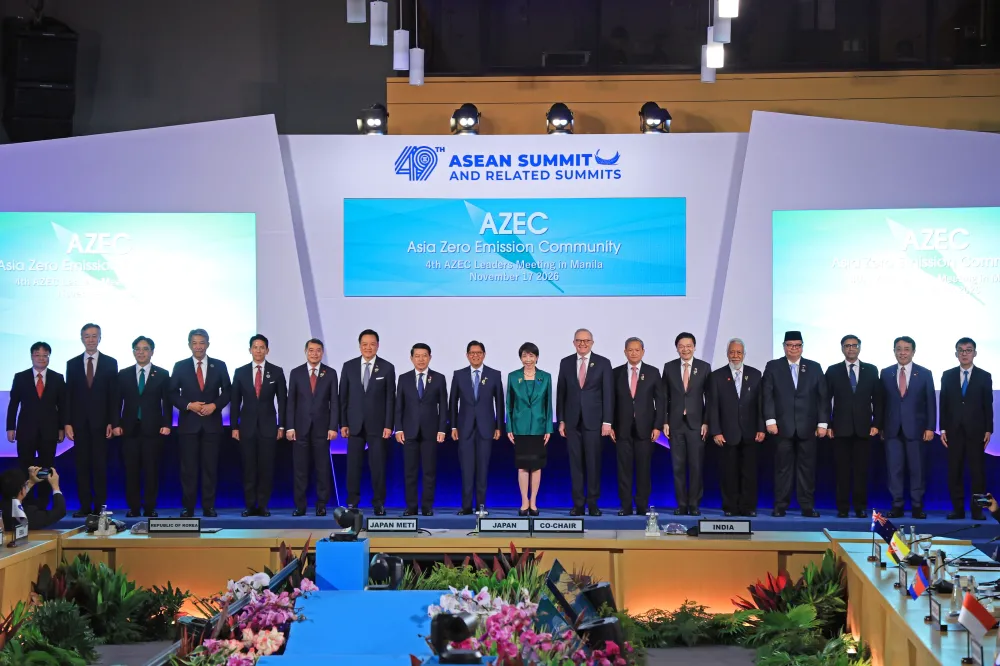
Anwar Ibrahim says arrangements must reflect national circumstances, priorities and readiness, while recognising their value for regional energy resilience.
National sustainability certification can support exporters’ checks, but does not automatically establish compliance with EU deforestation requirements, the Malaysian Palm Oil Board said.
Both sides aim to conclude the Malaysia-EU free trade agreement by June 2027, with palm oil and automotive issues still requiring discussion.
The countries elevated relations to a strategic partnership and announced cooperation covering defence, energy transition and semiconductors.
Singapore, Thailand, Indonesia and Brazil are also covered by licensing requirements, with an exception available for qualifying US-owned recipients.
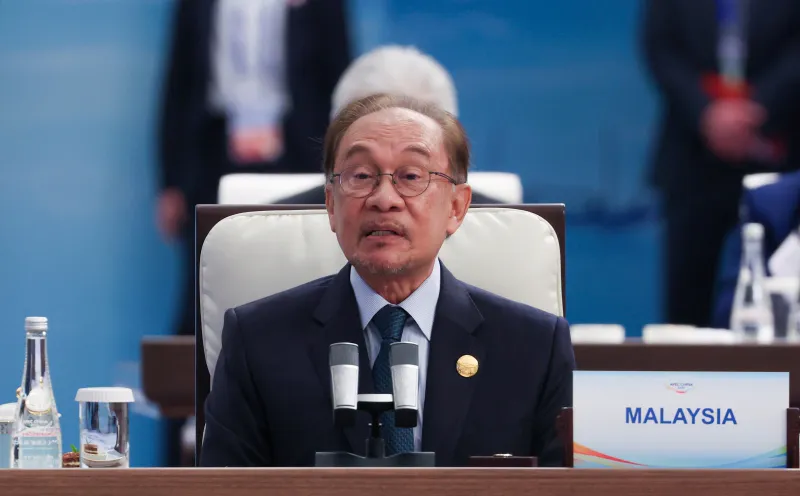
Anwar Ibrahim hopes the Apec meetings in Shenzhen on November 18 and 19 will offer opportunities to strengthen bilateral links.
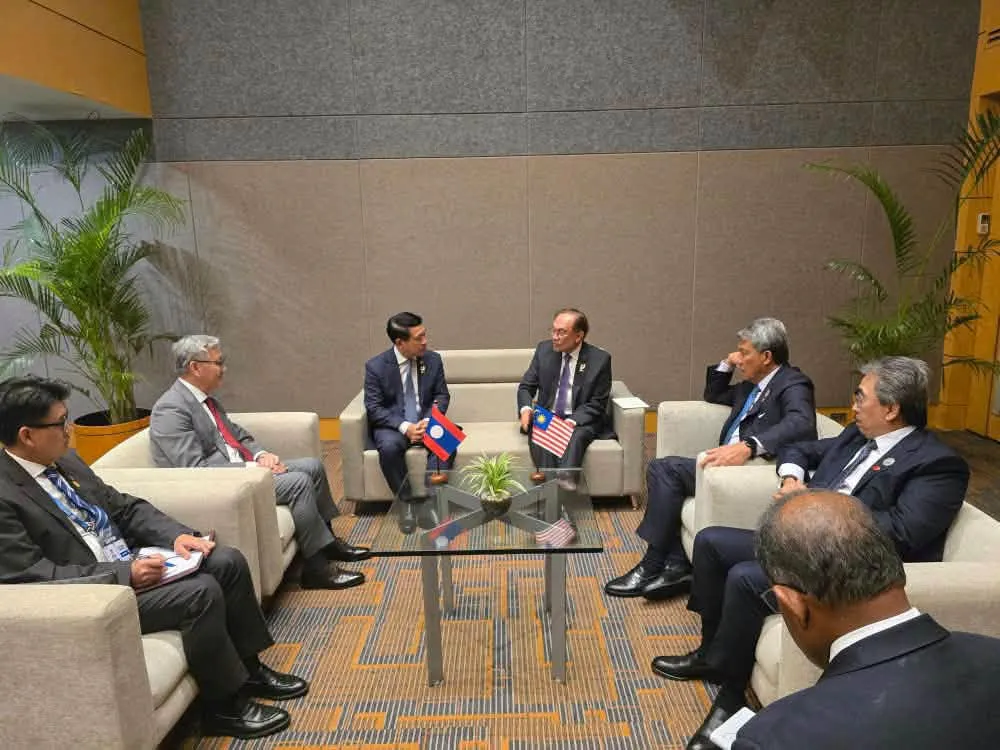
Renewable energy, infrastructure, transport and logistics are priorities, with a bilateral commission meeting planned in Vientiane in 2027.
Ahead of the Shenzhen leaders’ meeting on November 18 and 19, Malaysia called for economic cooperation to remain the forum’s focus.