Malaysia among five destinations facing tighter US AI chip controls
Singapore, Thailand, Indonesia and Brazil are also covered by licensing requirements, with an exception available for qualifying US-owned recipients.
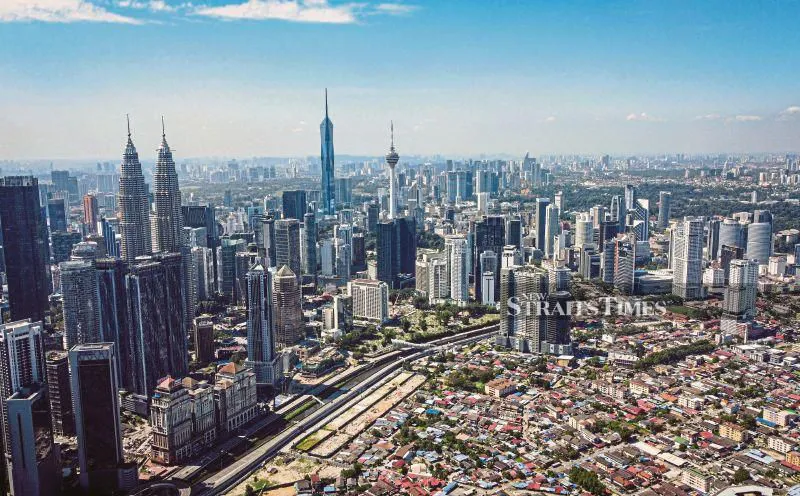
Malaysia is among five destinations where shipments of certain advanced artificial intelligence chips will generally need US approval under tighter export controls. The US Commerce Department’s Bureau of Industry and Security (BIS) also named Singapore, Thailand, Indonesia and Brazil, citing elevated risks of technology diversion.
The interim final rule targets indirect access to American computing technology by businesses in restricted jurisdictions, particularly China. It seeks to stop those unable to buy controlled chips directly from obtaining computing capacity remotely through data centres abroad.
UOB Kay Hian said the consequences for Malaysia would largely hinge on who owns the businesses receiving the chips and who uses their computing resources. American cloud companies importing chips for their Malaysian operations could qualify for an exception if they satisfy reporting conditions, while local data centre operators importing directly could need additional licences.
BIS is also imposing tougher customer checks on data centres, semiconductor manufacturers and exporters, including scrutiny of ownership and control. Overseas facilities supplying significant computing capacity to businesses based in China or other restricted jurisdictions, including Macau, could require additional licences even though their chips remain elsewhere.
Systems dedicated solely to routine commercial recommendation functions, including shopping and social media suggestions, are exempt from the relevant remote-access controls, subject to conditions. For the five designated destinations, a shipment exception is available when recipients or their ultimate parents are headquartered in the US and fulfil specified reporting obligations.
The rule additionally tightens controls over advanced-chip production and packaging overseas, restricting affected designers’ access to foreign foundries without American approval. It formally withdraws the Biden administration’s earlier AI Diffusion Rule.