Vietnam textile firms pursue US$48–49 billion export goal while protecting jobs
Exports reached US$39.84 billion in the first ten months of 2026, while the sector is pursuing new markets and stronger domestic supply chains.
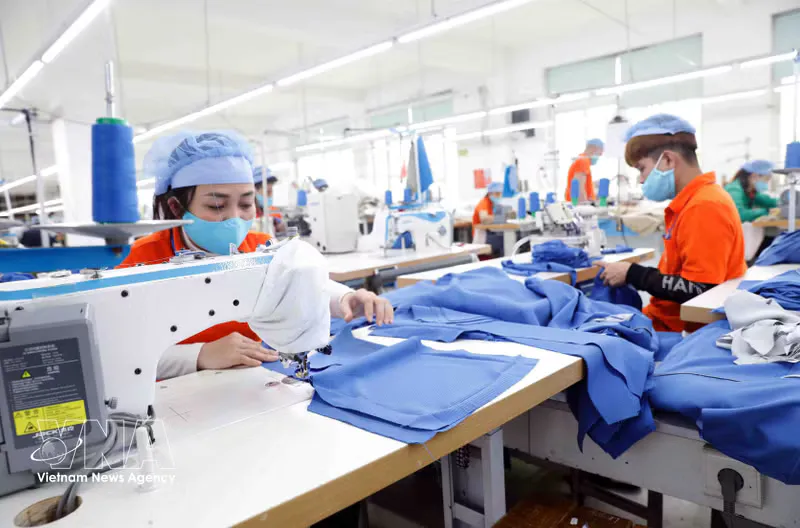
Vietnam’s textile and garment businesses are seeking to preserve employment while working towards US$48–49 billion in export earnings for 2026. Figures from an import-export balance report put shipments at US$39.84 billion over the first ten months, a year-on-year increase of 3.9%.
October exports totalled US$4.08 billion, rising 0.9% from September and 9.8% from October 2025. Many domestic producers have orders covering the remaining months of the year.
Pham Xuan Hong, chairman of the Ho Chi Minh City Association of Garment Textile Embroidery Knitting (AGTEX), said firms were putting job security and steady worker incomes ahead of maximising profits. He said industrial enterprises had maintained stable employment for more than 1.86 million workers. Producers also face stricter buyer demands on quality and design, requiring flexibility even for small orders.
The industry’s measures include broadening its customer base, developing domestic materials and accessories suppliers, adopting AI-related technology and training skilled workers. Businesses are also pursuing circular-economy approaches and developing brands for overseas and domestic markets.
Vietnamese textiles and garments reach 137 countries and territories. Around 40% of exports go to the US, while Africa and the Middle East are identified as potential markets. Tariff changes, geopolitical conflicts and possible supply disruptions remain pressures on costs, delivery and order retention.
The sector’s supporting industry programme for 2026–2035 targets a localisation rate of 60% by 2030. Planned support focuses on suppliers’ quality, management, technology and delivery capabilities, alongside closer coordination between production stages from spinning through garment manufacturing.