Indonesia turns to trade pacts to expand processed cocoa exports
The industry ministry is helping cocoa businesses use trade agreements and policy incentives as the sector reports higher grinding volumes and sales.
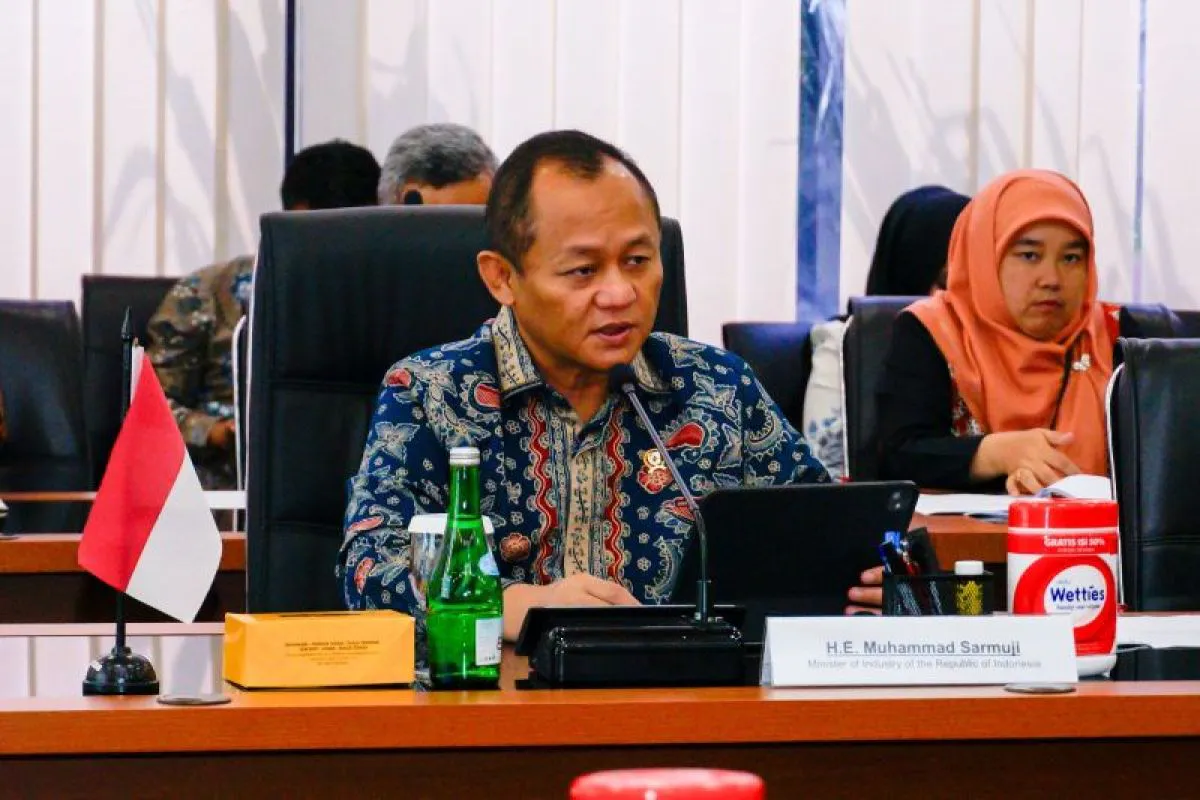
Indonesia’s industry ministry is seeking greater access to overseas markets for processed cocoa through free trade agreements, while urging producers to tackle supply constraints and climate risks.
Putu Juli Ardika, acting director general of agro-industry, said businesses needed to understand origin requirements, documentation for exports, regulatory obligations and procedures in importing markets. The ministry held an export development workshop to help cocoa companies make use of trade pacts and government incentives.
Ministry figures from the National Industrial Information System (SIINas) showed that Indonesia processed 112,628 tons of cocoa during the third quarter of 2026. That was 2.01 per cent above the second-quarter volume of 110,410 tons. Grinding for the first through third quarters reached 307,882 tons, or roughly 72.9 per cent of the amount processed in 2025.
The Cocoa Association of Asia put Indonesia’s share of regional third-quarter grinding at 48 per cent, against an Asian total of 233,767 tons. Indonesian processing-sector sales reached 93,253 tons during that quarter, up 9.5 per cent from 85,138 tons a quarter earlier, according to the ministry.
Sales of cocoa liquor increased 91.3 per cent, while cocoa cake rose 49.6 per cent and cocoa butter gained 8.8 per cent. Cocoa powder sales declined 2.9 per cent.
Ardika cited extended rainy seasons and the threat of El Nino as challenges for growers, calling for improved cultivation, higher plantation yields and climate-resilient farming. Industry Minister Muhammad Sarmuji said a stronger processing industry could create jobs, boost exports and improve economic returns for cocoa farmers.