IMF calls for targeted household support and closer ASEAN cooperation
Kristalina Georgieva said market-oriented reforms could raise real GDP by 3%, while more trade within ASEAN could lift long-term GDP by 5%.
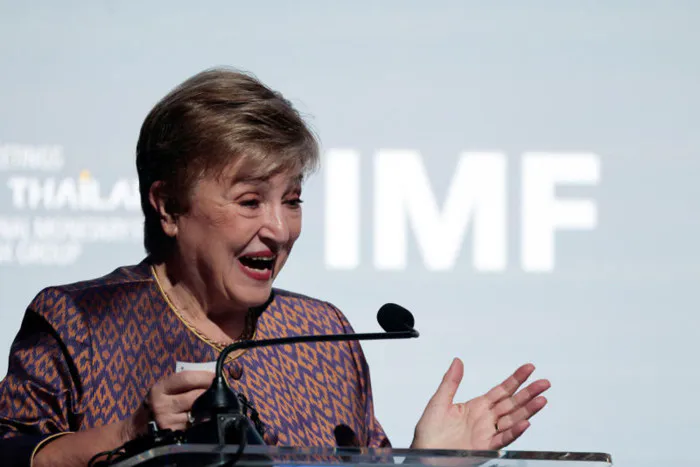
Southeast Asian governments should prioritise help for vulnerable households while retaining fiscal buffers, IMF managing director Kristalina Georgieva told a seminar in Bangkok. She also advocated economic reform and closer regional cooperation to withstand shocks from volatile energy prices, geopolitical tensions and climate risks.
Georgieva cautioned against blanket subsidies in response to energy shocks, saying support should go to people in need instead of keeping prices down economy-wide. She said market-oriented reforms could deliver a 3% increase in real GDP over the short to medium term. Greater trade between ASEAN members could increase long-term GDP by 5%, she added.
Asia was projected to generate 68% of global growth in 2026, Georgieva said. She urged regional collaboration on energy, infrastructure and digital development. The seminar took place during the IMF-World Bank Group annual meetings and was organised jointly by the IMF, the ASEAN+3 Macroeconomic Research Office (AMRO) and the Asian Development Bank (ADB).
Japan’s vice-minister of finance for international affairs, Atsushi Mimura, said ASEAN countries needed responses suited to their differing circumstances. He identified population ageing, fragmented supply chains, climate change and digitalisation as structural challenges. The younger Philippine workforce could help meet worker shortages in Singapore and Thailand, he said.
AMRO director Yasuto Watanabe recommended an ACT framework: agile policy decisions, credible communication with businesses and targeted action against economic disruption. He said stronger regional connections could provide protection against global fragmentation.
ADB vice-president Scott Morris advocated using technology to reach those hit hardest by crises. He pointed to ADB’s US$10 billion for the ASEAN Power Grid and flood-management investment in Thailand’s Chao Phraya River Basin. Governments should develop financing methods and instruments that attract private investment rather than rely entirely on public money, he said.