Timor-Leste targets 4.6 per cent economic growth for 2027
The non-oil GDP forecast accompanies a proposed budget focused on diversification, with elections identified as a risk to the outlook.
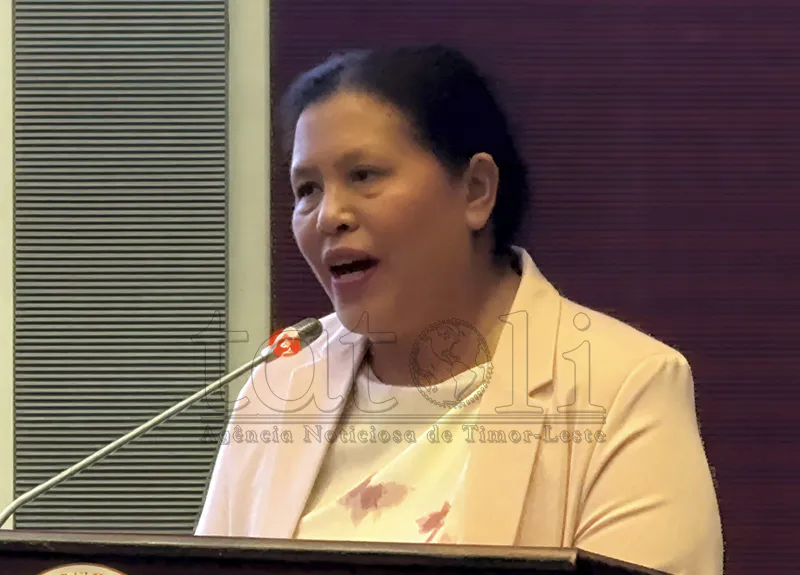
Real growth in Timor-Leste’s non-oil economy is projected at 4.6 per cent for 2027, Deputy Finance Minister Regina de Jesus told a budget presentation in Dili on 14 October 2026. The forecast forms part of the government’s proposed 2027 state budget and compares with 4.3 per cent growth in 2025 and 2026.
The government’s projections include increases of 6.5 per cent in investment, 3.0 per cent in household consumption, 3.6 per cent in public consumption and 9.3 per cent in exports. Its inflation forecast for 2027 is 1.8 per cent.
De Jesus said the spending priorities covered human capital, infrastructure, healthcare, education and job opportunities, while maintaining fiscal responsibility. The budget also seeks to improve the quality of public expenditure and reduce dependence on the Petroleum Fund by diversifying the economy.
Public expenditure still plays a dominant role in the economy, she said. Planned investment would continue to support infrastructure, agriculture, fisheries and tourism. A National Development Bank of Timor-Leste is being established to provide opportunities for private enterprises, especially micro, small and medium-sized businesses.
De Jesus identified pressures surrounding presidential and parliamentary elections in 2027 and 2028 as risks to the growth target. These could divert attention from public administration decisions involving procurement and contract approvals, she said. Political uncertainty could also lead businesses to wait for greater clarity before investing.
The ministry’s response would focus on sustaining public services, carrying out planned investment and maintaining fiscal discipline through the election period, she said.