MAS holds currency policy steady as inflation pressures persist
The central bank expects inflation to remain elevated until mid-2027, with energy costs continuing to push up import prices.
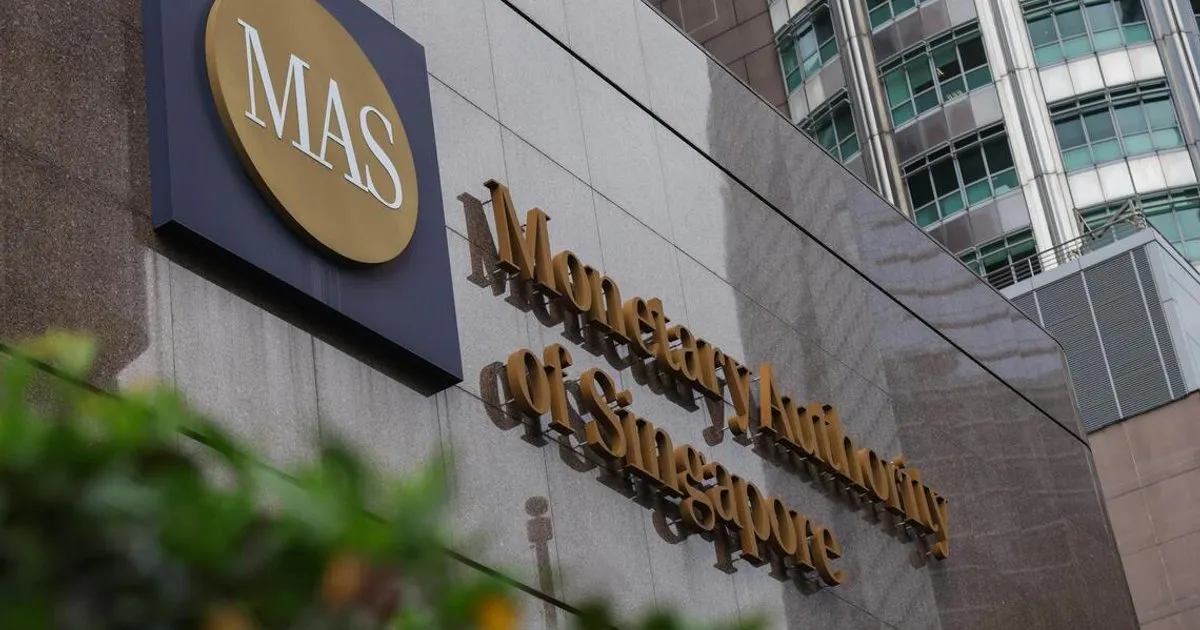
The Monetary Authority of Singapore (MAS) left its exchange-rate policy unchanged on 14 October, warning that energy price pressures linked to the Iran war would prolong elevated inflation into 2027. It retained the existing appreciation rate for the Singapore dollar’s trade-weighted value.
MAS said the appreciating currency would help counter an expected near-term increase in imported inflation. The decision follows monetary tightening in April and July 2026. Singapore manages monetary policy through the Singapore dollar nominal effective exchange rate (S$NEER), rather than by targeting interest rates.
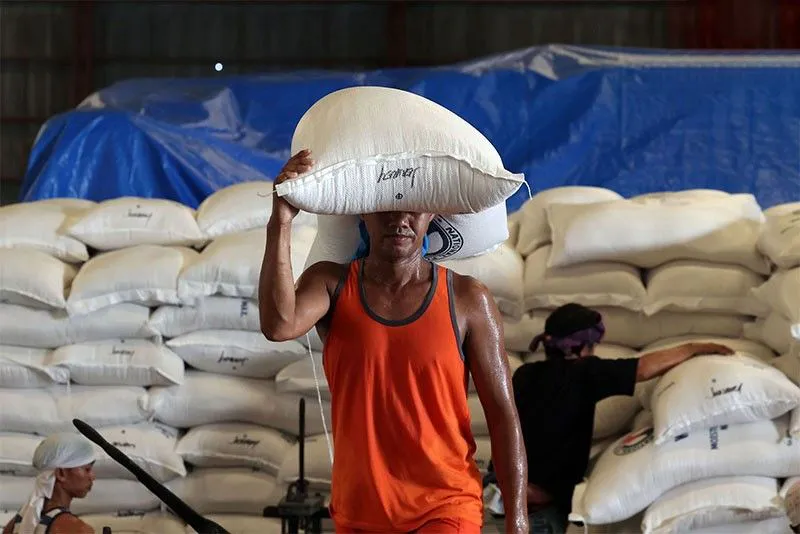
The central bank said energy commodity prices had climbed again since September and were expected to stay high in the near term. It also anticipated higher global and regional food prices as more expensive inputs and adverse weather affected production.
Core inflation, which strips out accommodation and private transport costs, reached 2.1% year on year over July and August, compared with 1.5% in the second quarter. MAS forecasts core inflation of 1.5% to 2.0% for 2026, with all-items inflation at around 2%.
For 2027, MAS projects averages of 1.5% to 2.5% for both inflation measures. It expects a clearer easing in the second half as global energy prices gradually moderate.
Advance estimates published on 14 October put Singapore’s third-quarter GDP growth at 5.4% year on year. MAS said it expected economic expansion to remain steady in the coming quarters.