Singapore’s AI-led growth expected to extend into 2027 at a slower pace
Technology-related sectors contributed around 75 per cent of year-on-year growth, while MAS expects imported inflation to ease gradually in 2027.
Artificial intelligence is expected to underpin Singapore’s economic expansion into 2027, although growth could lose momentum, the Monetary Authority of Singapore (MAS) said on October 14. Its quarterly macroeconomic review pointed to outstanding orders and planned increases in production capacity as support for continued activity.
Advance estimates from the Ministry of Energy, Trade and Industry put third-quarter economic growth at 5.4 per cent, following 6.2 per cent in the second quarter. MAS said technology-related industries generated around 75 per cent of overall year-on-year growth, while performance outside technology and oil was mixed.
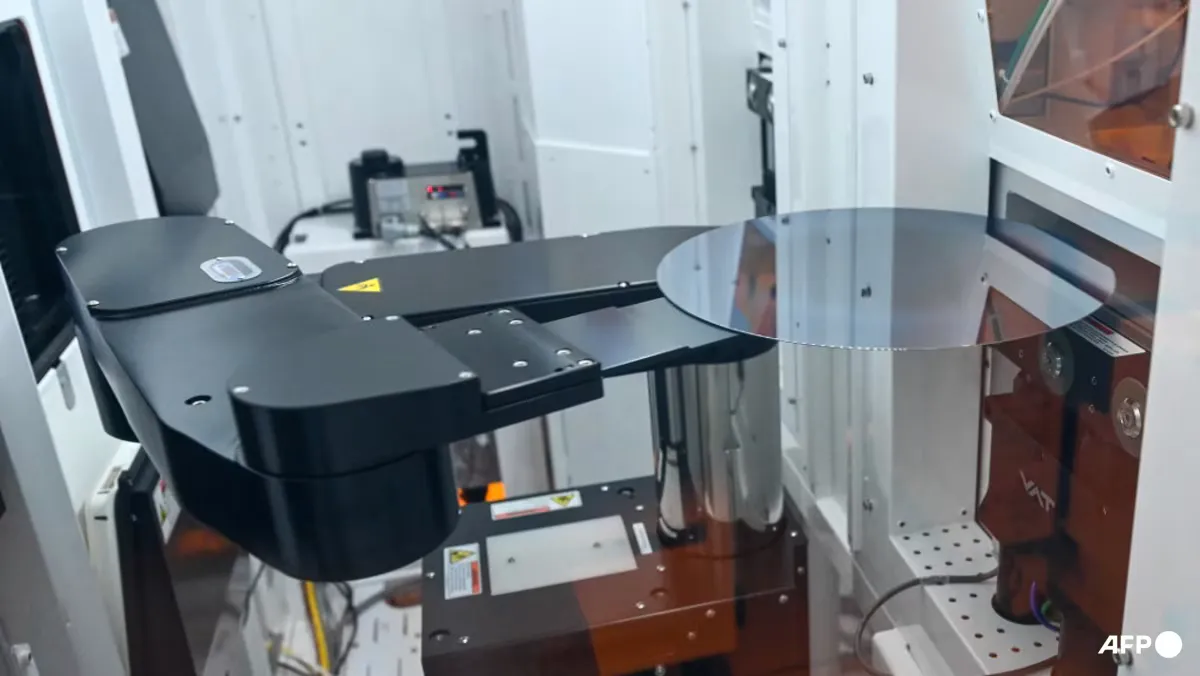
MAS identified the global AI investment cycle as one factor determining how long the expansion can last. Its indicators showed semiconductor production continuing to grow strongly despite financial pressures on hyperscalers. Downside risks had increased, but those pressures did not yet signal an imminent pullback in AI investment, it said.
Existing orders and committed capacity additions could cushion production against any reduction in capital spending, MAS said. Significant new capacity is expected in 2027 and 2028, with Micron undertaking multi-year investments and GlobalFoundries and UMC increasing capacity.
The central bank said stronger business confidence and investment sentiment could also benefit other industries, including finance. However, higher global interest rates could curb demand for credit.
Construction and services serving domestic demand are expected to support hiring in 2027. Infrastructure projects, expanded pre-school services and demand in financial investment, insurance and healthcare should contribute to employment. MAS nevertheless expects nominal wage growth to slow towards historical norms, citing fewer companies planning pay increases and limited movement between jobs.
MAS also forecasts a gradual easing of oil and non-oil imported inflation during 2027, despite renewed conflict in the Middle East. Fuel prices are expected to stay high initially before moderating as energy flows normalise. Weather disruptions could raise food prices, but inventories should limit increases.