Vietnamese exporters urged to strengthen green compliance as EU rules tighten
Vietnam’s exports to the EU reached approximately US$44.28 billion in the first nine months of 2026, up 19.8 per cent.
Environmental compliance and proof of production practices are becoming crucial for Vietnamese exporters competing in Europe, a business representative told an October 19 seminar in Ho Chi Minh City. Nguyen Huu Nam, deputy director of the Vietnam Chamber of Commerce and Industry, called for stronger compliance capabilities and reliable systems for recording data.
The EU brought its Carbon Border Adjustment Mechanism into the definitive phase as 2026 began. Its six covered categories are hydrogen, electricity, fertilisers, cement, aluminium, and iron and steel. The EU Deforestation Regulation also obliges businesses to carry out due diligence and trace relevant commodities to show that products have no connection to deforestation.
Nam said switching to greener production alone was insufficient: businesses also needed evidence of their environmental performance to enter the European market.
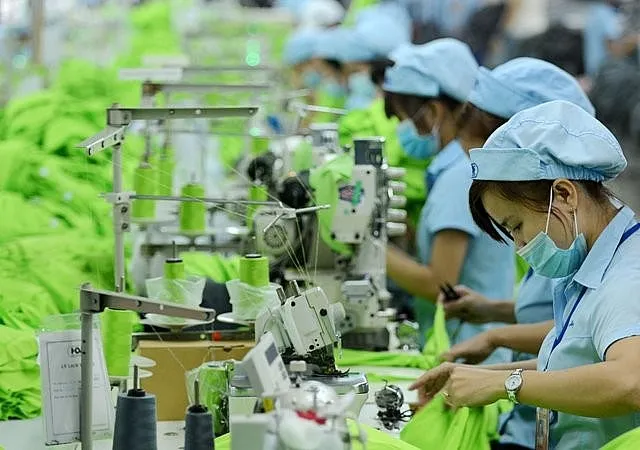
Commercial buyers are widening their checks too. According to Vo Nguyen, public relations manager at H&M Group Vietnam, the group uses independent suppliers instead of operating garment factories itself. Long-term partnerships depend on factory database transparency, ethical business commitments, labour rights safeguards and environmental compliance, Nguyen said.
Ministry of Industry and Trade figures put Vietnamese exports at US$463.7 billion by mid-October, with reported annual growth of 25.8 per cent. EU-bound shipments totalled approximately US$44.28 billion over the first nine months of 2026, rising 19.8 per cent.
Nguyen Thao Hien, deputy director general of the ministry’s European-American Market Department, said buyers increasingly assessed environmental effects, resource use, labour conditions and governance transparency alongside price, quality and delivery schedules. She urged businesses to follow regulatory developments and standardise their operations.