Indonesia’s seventh-place economy ranking uses purchasing power parity
Coordinating Economic Affairs Minister Airlangga Hartarto said Indonesia ranks around 16th or 17th when measured by nominal GDP in US dollars.
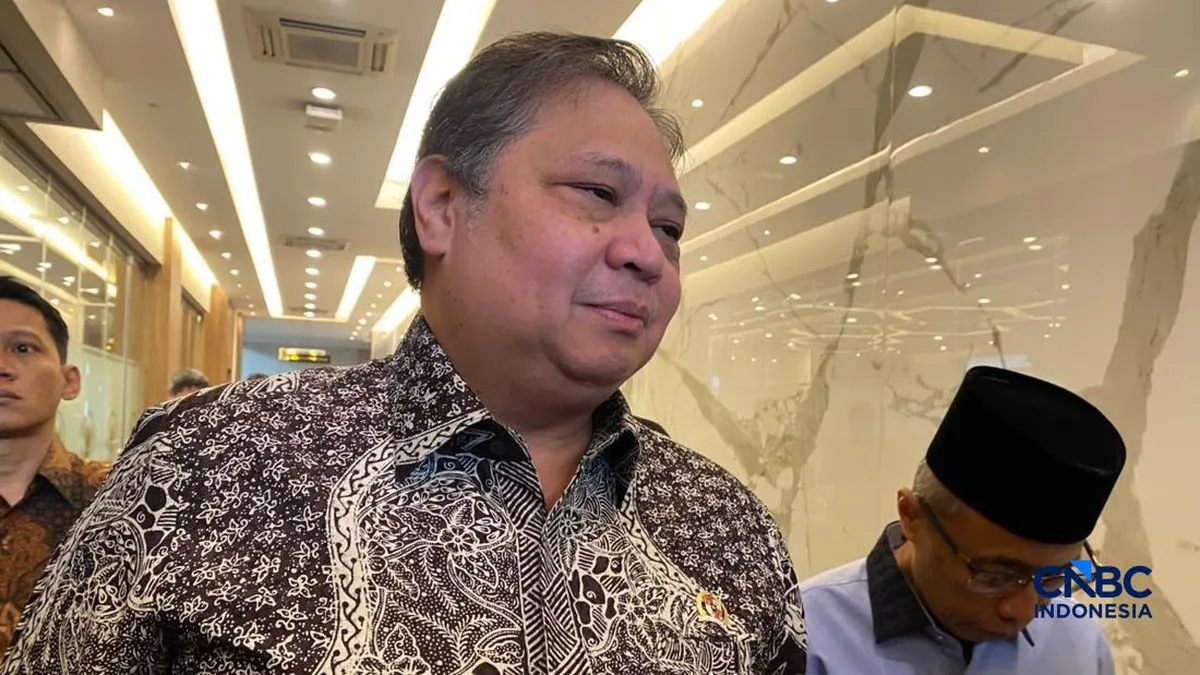
Indonesia’s position as the world’s seventh-largest economy reflects purchasing power parity (PPP), rather than nominal GDP measured in US dollars, Coordinating Economic Affairs Minister Airlangga Hartarto told reporters on 23 October 2026.
He said the country’s ranking changes with the measurement used: it stands seventh on a PPP basis but around 16th or 17th using nominal GDP in US dollars. The IMF’s October 2026 World Economic Outlook projects Indonesia’s GDP at approximately US$5.48 trillion on a PPP basis.
Airlangga’s clarification followed President Prabowo Subianto’s statement that Indonesia had become one of the world’s largest economies. Prabowo was referring to the IMF’s PPP ranking.
Airlangga explained that PPP accounts for differences in prices and purchasing power between countries, adjusting economic size to make comparisons of goods and services more comparable. The ranking measures the economy as a whole, not individual welfare, and does not automatically mean Indonesians have higher incomes or purchasing power than residents elsewhere.