Malaysia’s poorest households see income buffer shrink to 1.8 per cent
Household spending rose faster than income, while KRI cautioned that its buffer measure excludes loan repayments, taxes and transfers.
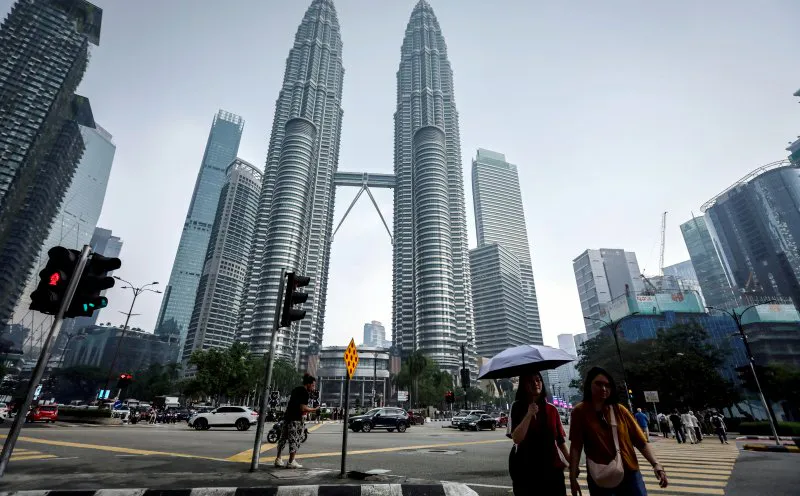
Malaysia’s poorest households retained only 1.8 per cent of their gross income after consumption spending in 2024, compared with 10.8 per cent in 2019, according to Khazanah Research Institute (KRI).
KRI cautioned that this remaining income does not account for taxes, loan repayments or money transferred to other households. Those outgoings would leave even less available to save.
In its report, “From Income to Wellbeing: The State of Households 2026”, KRI put median monthly household spending at RM4,758 in 2024. Expenditure grew at an annualised 5.3 per cent from 2022, outpacing annual growth of 5.1 per cent in median household income, which reached RM7,017.
Spending by the lowest-income 10 per cent of households increased 21.3 per cent between 2019 and 2024. Expenditure rose more than 15 per cent across the lowest-income 70 per cent, whereas the highest-income 10 per cent recorded little change.
The report also examined health and lifestyle indicators. Average monthly spending on eating out reached RM902.70 in 2024, above the RM875.80 spent on food consumed at home.
KRI found that 54.4 per cent of adults in Malaysia were overweight or obese in 2023, with physical activity declining between 2019 and 2023. It said assessments of household wellbeing should include health and other influences on living standards, rather than income and spending alone.