Indonesia targets Canadian market for handicraft export growth
A bilateral economic partnership agreement scheduled to take effect on December 1, 2026, is among the tools the Trade Ministry wants exporters to use.

Indonesia’s Trade Ministry wants to increase sales of Indonesian handicrafts to Canada, focusing on baskets, furniture and goods made from natural fibres. Its export development chief said businesses would need greater production capacity and stronger competitiveness to capture more of the market.
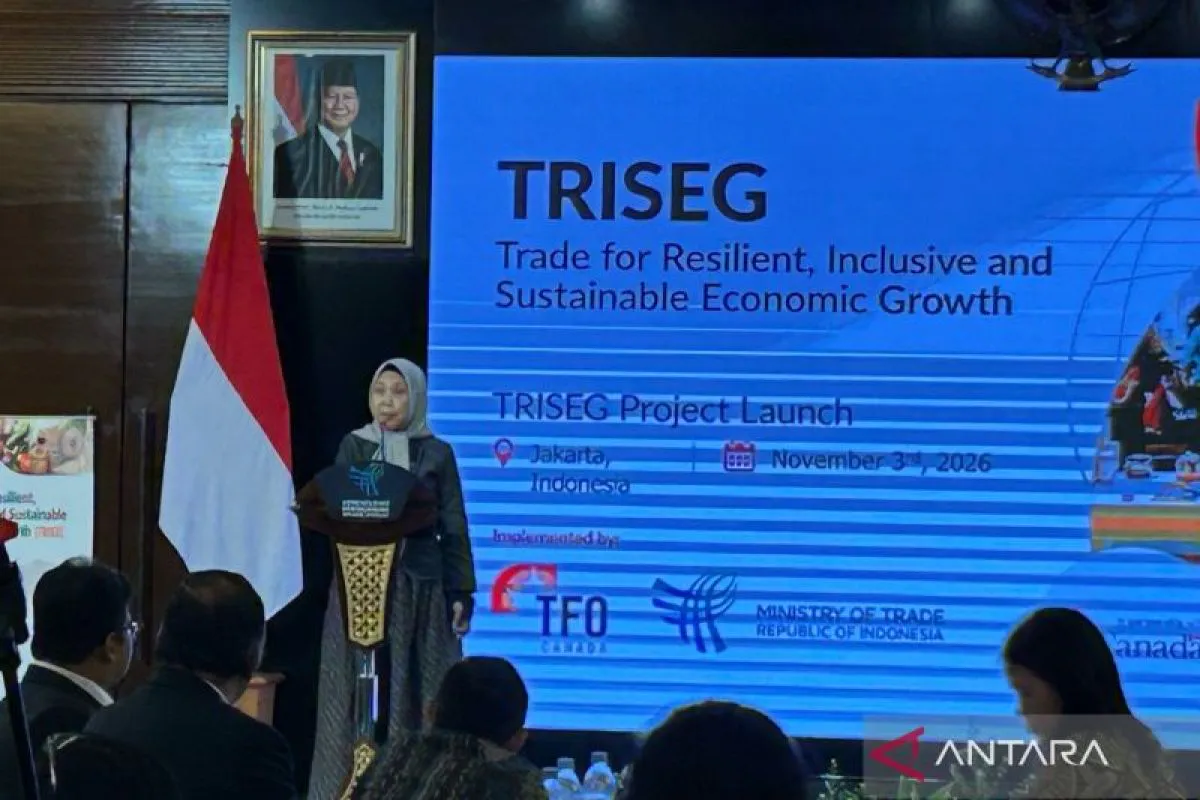
Fajarini Puntodewi, Director General of National Export Development, urged businesses to make use of bilateral trade arrangements, including the Indonesia-Canada Comprehensive Economic Partnership Agreement (I-CA CEPA). The agreement is scheduled to become effective on December 1, 2026, after the countries exchanged ratification instruments in October 2026.
It is the first comprehensive economic partnership agreement Indonesia has concluded with a North American country, and Canada’s first with a Southeast Asian nation.
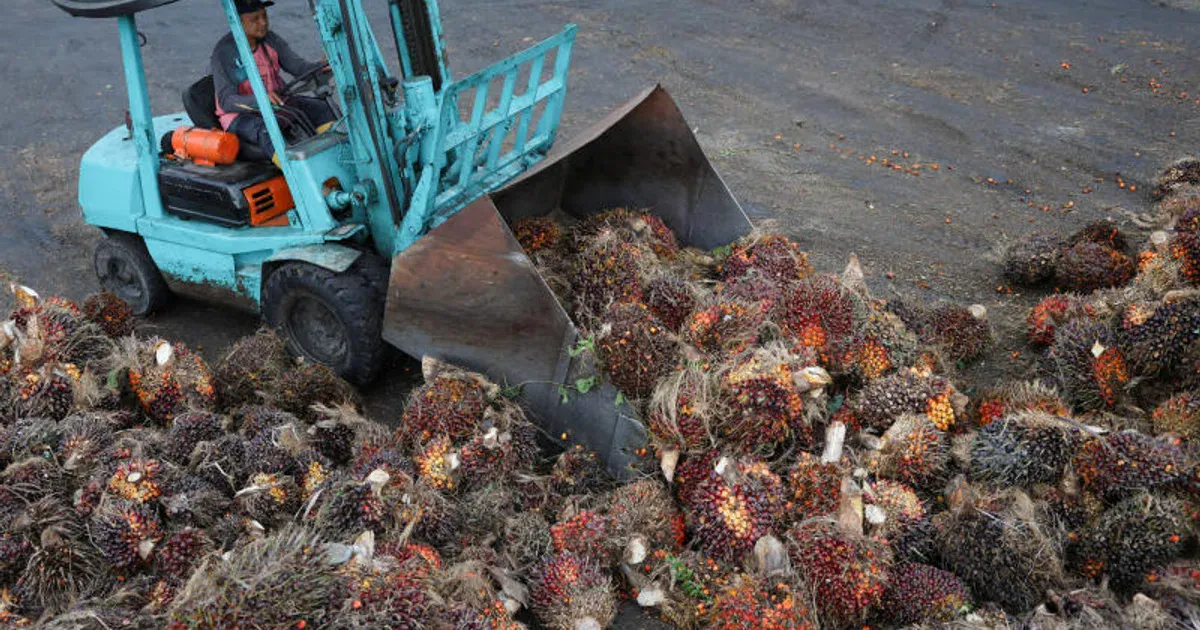
Speaking in Jakarta, Puntodewi also identified Canadian demand for Indonesian food and beverages, machinery, electronics and palm oil derivatives.
Trade between the countries amounted to US$3.51 billion during January-August 2026, rising 15.5 per cent from the corresponding period of 2025. Indonesia’s exports to Canada stood at US$1.12 billion as of August 2026, while its imports from Canada were US$2.39 billion.
Major Indonesian exports to Canada include machinery, electrical equipment, rubber products, footwear, knitted goods and apparel. Wheat, fertilisers, wood pulp and mineral fuels are among the main goods Indonesia imports from Canada.