Vietnam lawmakers seek clearer power pricing rules in electricity law changes
Proposals include stronger cost oversight, closer scrutiny of cross-subsidy changes and coordinated investment in generation and grids.
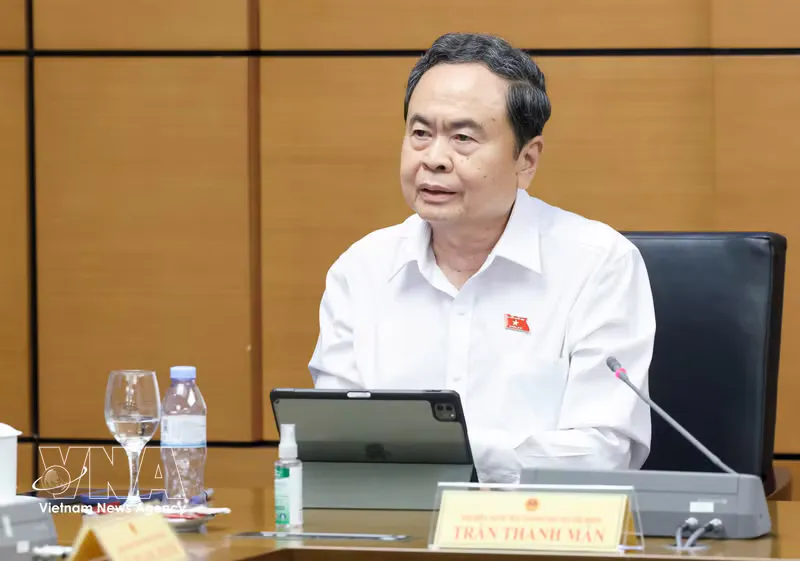
Vietnamese lawmakers urged greater transparency in electricity prices and simpler investment procedures during October 20 group discussions in Hanoi on proposed amendments to the Electricity Law. They called for safeguards for consumers alongside measures to address obstacles facing power projects.
National Assembly President Tran Thanh Man said practical difficulties had emerged since Electricity Law No. 61 took effect on February 1, 2025. He urged legislators to focus changes on urgent problems, clarify how pricing risks are shared and strengthen oversight of costs.
Man also called for a full assessment of how time-of-use tariffs and the removal of cross-subsidies would affect household bills and business costs. He said the law should spell out rules for direct power purchase agreements, renewable energy certificates and special arrangements for urgent power projects, rather than leave excessive discretion to implementing regulations.
At a separate discussion, Prime Minister Le Minh Hung said amendments were needed to align electricity legislation with revised planning, investment, land and bidding laws. He said Vietnam’s double-digit growth goal would sharply increase power demand, particularly as high-tech industries, foreign investment and data centres expand.
Hung called for shorter project preparation and implementation times, with generation and transmission investment planned together so available capacity could be fully used. He said the Ministry of Industry and Trade would consider lawmakers’ feedback and review implementing rules.
Hai Phong deputy Hoang Van Tuyen backed cost-reflective, transparent pricing but sought careful scrutiny of the gradual removal of cross-subsidies between customer groups and regions, especially its effects on disadvantaged residents.