Vietnam garment makers adjust sourcing to meet CPTPP origin rules
Domestic fabric output meets just 36% of demand, limiting the industry's ability to qualify for preferential tariffs under the trade agreement.
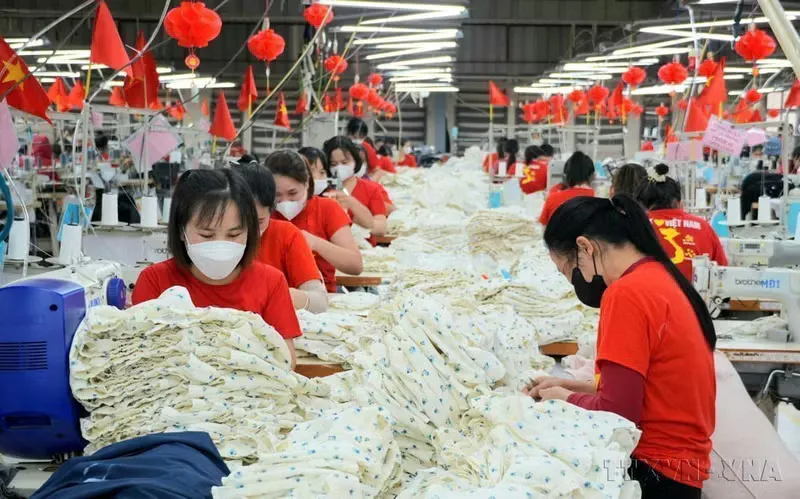
Vietnamese textile and garment companies are changing how they source and track materials to qualify for CPTPP tariff preferences. TNG Investment and Trading JSC has reorganised its supplier network and introduced digital systems to document the origin of its inputs, according to General Director Tran Minh Hieu.
Hieu said TNG previously chose suppliers chiefly on price, quality and delivery schedules. Origin requirements now also guide those decisions. The company prioritises long-term relationships with compliant suppliers and strategic partnerships with Vietnamese fabric producers. Its in-house software links QR and ERP codes for imported batches to invoices, contracts and other records.
Vietnam's textile and garment exports to CPTPP markets increased from US$6.27 billion in 2018 to US$8.3 billion in 2025, according to Truong Van Cam, Vice Chairman and General Secretary of the Vietnam Textile and Apparel Association. The agreement took effect in January 2019.
However, the agreement's yarn-forward requirement means production from spinning through sewing must occur within the bloc. Vietnam can largely meet its own yarn needs, but weaving, dyeing and finishing capacity remains a constraint. Domestic supplies cover around 50% of the industry's material and accessory requirements. Fabric imports cost up to US$11.6 billion during the first nine months of 2026.
Ngo Chung Khanh, Deputy Director of the Ministry of Industry and Trade's Department of Foreign Market Development and Multilateral Trade, urged businesses to map suppliers, alternative sources and possible disruption points. He said companies should also consider CPTPP members as sources of raw materials, rather than solely as export destinations.