Indonesian official expects third-quarter growth to exceed 5.45%
Manufacturing indicators, vehicle sales and government construction spending underpin the forecast ahead of official GDP figures.
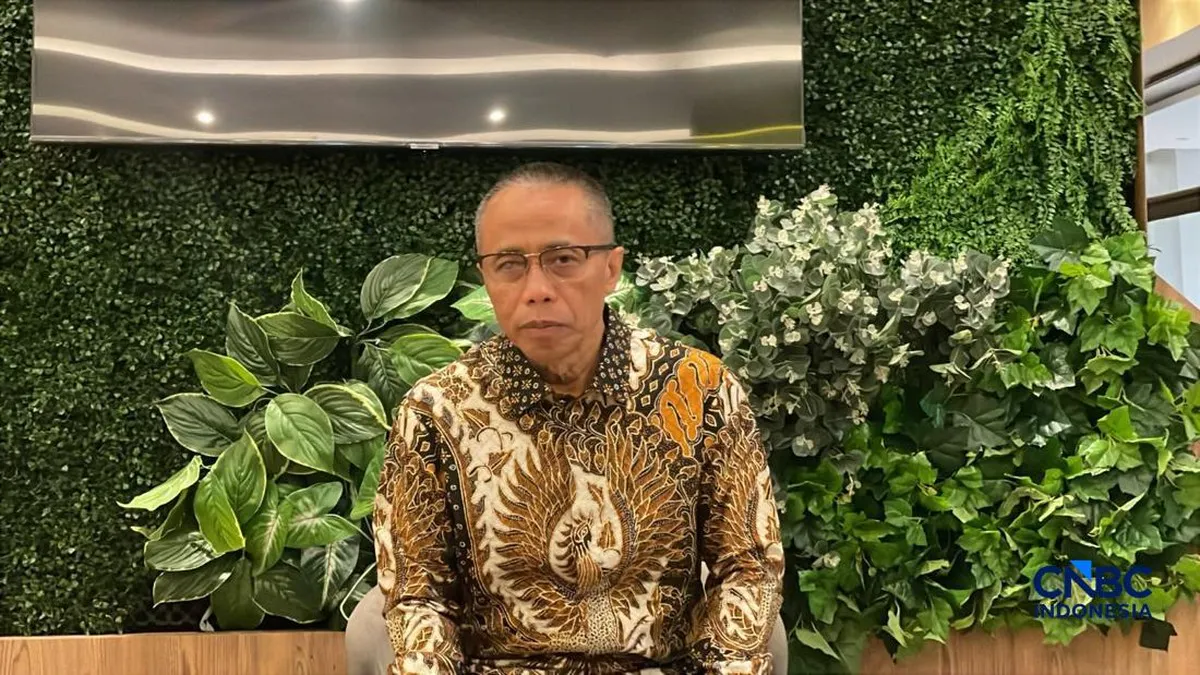
Indonesia’s economy could have grown faster in the third quarter of 2026 than the 5.45% recorded in the first half, Deputy Coordinating Minister for Economic Affairs Dradjad Hari Wibowo said on 4 November. Statistics Indonesia (BPS) is due to announce the third-quarter result on 5 November.
The economy expanded by 5.61% year on year in the first quarter and 5.29% in the second. Dradjad cited eight indicators and other factors supporting his expectation of stronger third-quarter growth.
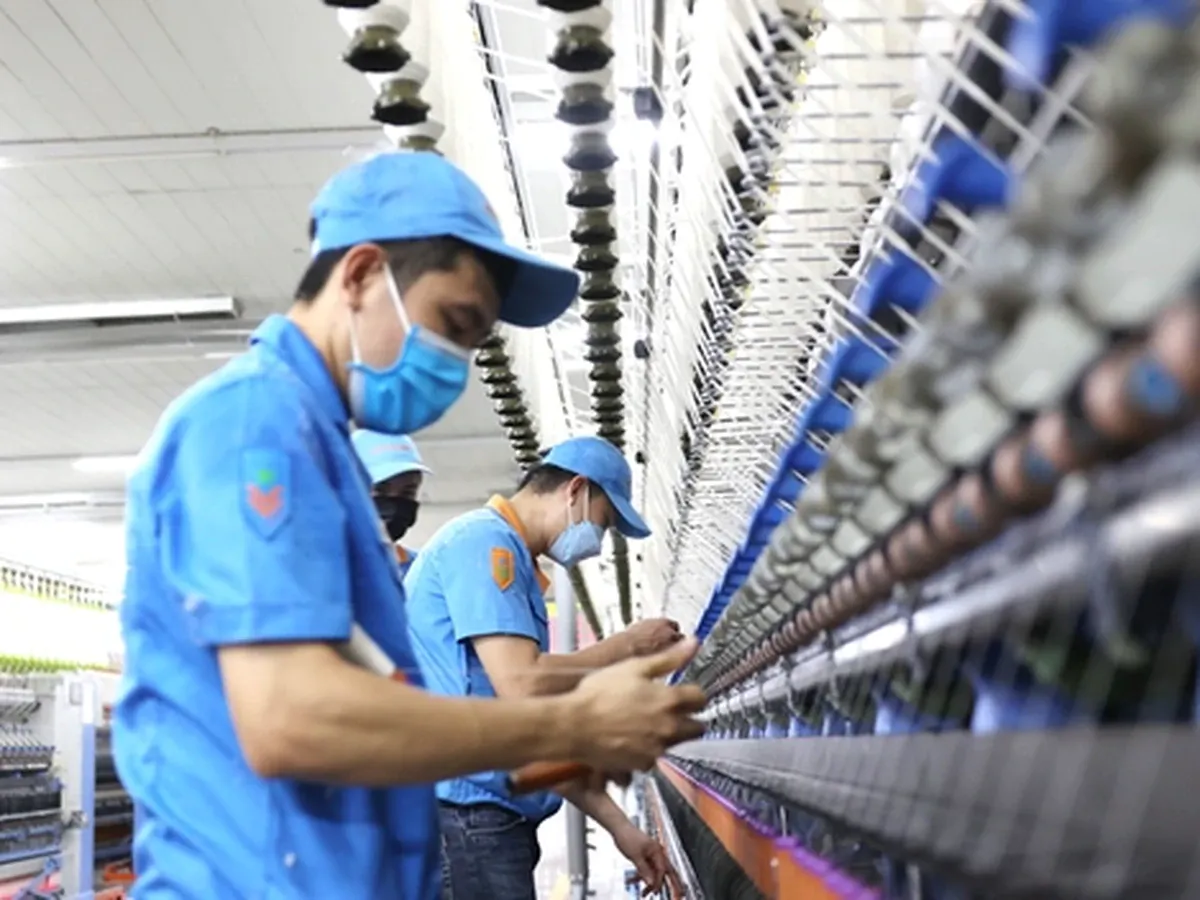
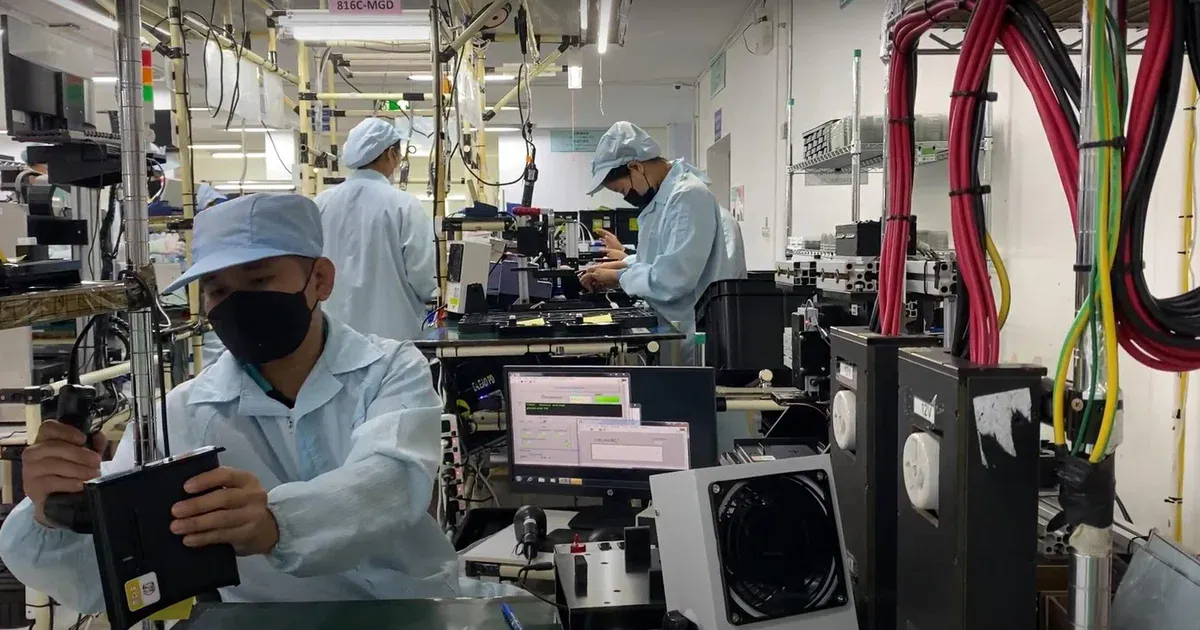
Among them, Bank Indonesia’s Prompt Manufacturing Index reached 52.28 in the third quarter, above the 50 threshold indicating expansion. The Industrial Confidence Index stood at 51.93 in September. Dradjad also pointed to higher imports of industrial raw materials, supporting materials and capital goods, alongside annual increases in working-capital, investment and consumer lending during July–August.
Figures from Indonesia’s automotive industry association showed third-quarter wholesale car sales rising 31.25% year on year, while retail sales increased 25.36%. Motorcycle sales grew 8.92%, according to the motorcycle industry association. State electricity company PT PLN (Persero) also reported higher electricity sales as household, business and industrial consumption increased.
Dradjad cited school holidays and the start of the academic year as factors behind increased travel. BPS recorded 1.43 million foreign tourist visits in September, up 2.31% year on year, and 96.69 million domestic tourist trips, up 2.47%. He also pointed to a 63.65% annual increase in government construction spending, alongside spending on priority programmes and stimulus measures.
He acknowledged that some businesses, including retailers in large shopping centres, had performed below expectations. He attributed this to technology-driven changes in shopping habits rather than slow economic growth, citing a shift towards online purchases, retail franchises and small retailers.