Timor-Leste outlines 2027–2029 agenda to reduce import dependence
Five priorities span competitive local products, processing, buyer access, business licensing and opportunities linked to ASEAN and the World Trade Organization.
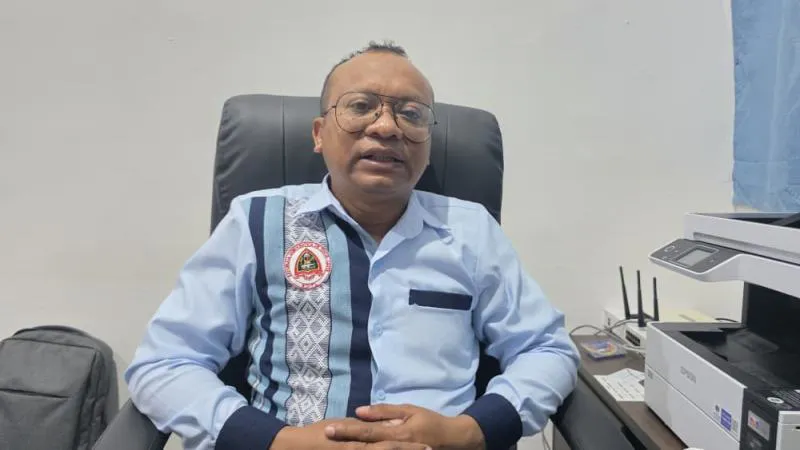
Timor-Leste plans to strengthen domestic manufacturing and exports through five policy priorities for 2027–2029, according to Elias de Jesus, director-general of commerce. Speaking to Tatoli on 4 November 2026, he said the Ministry of Commerce and Industry wanted to gradually reduce the country’s heavy dependence on imported goods.
Elias said the transformation could not happen quickly and would depend on sustained implementation. The ministry’s priorities are:
- Select products that Timor-Leste can make competitively, rather than trying to produce everything. Potential areas include coffee, specific agricultural products, fisheries, processed foods and handicrafts.
- Expand local processing to raise product value, including making food products from cassava and improving coffee processing, packaging and marketing under a Timor-Leste brand.
- Help farmers find dependable buyers by connecting agricultural cooperatives with supermarkets, hotels, restaurants and distributors.
- Further improve the business environment and the digital licensing system already introduced for commercial and industrial activities.
- Help national businesses pursue overseas sales through ASEAN and World Trade Organization integration, with products that meet quality standards and market requirements.
On buyer relationships, Elias said contracts needed to specify volumes, quality, pricing and continuity of supply. He said implementing the agenda would also require cooperation from other ministries, the Customs Authority, economic institutions and private-sector businesses.
The ministry’s proposed allocation for 2027 is $7,578,816. It would support investment and economic diversification, commerce and industry development, institutional activities and corporate services, among other programmes. Elias said the National Parliament would discuss the proposal and could change the amount.