Vietnam deputy PM calls for agricultural and aquatic commodity exchange
Two ministries were asked to draw up a proposal as Vietnam seeks to align farm production more closely with demand and improve market transparency.
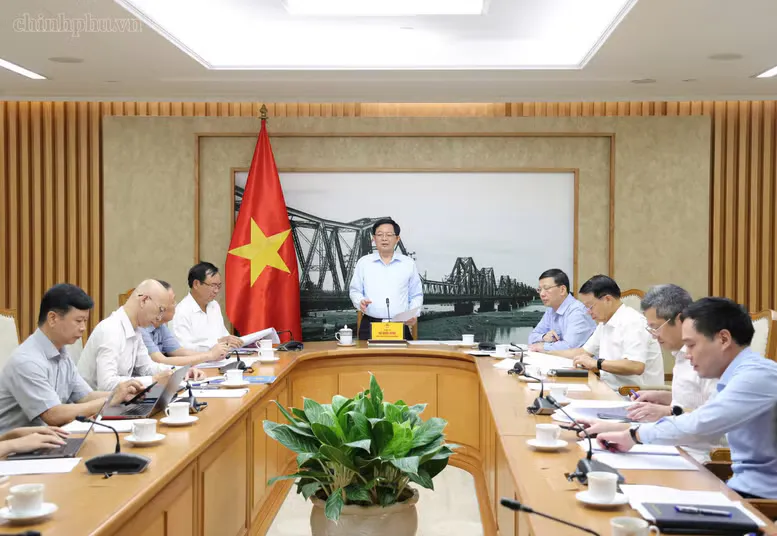
Vietnam’s Deputy Prime Minister Ho Quoc Dung called on October 30 for a commodity exchange covering agricultural and aquatic products, assigning two ministries to develop the proposal. At a Hanoi meeting, he also sought production that better reflects market demand.
The meeting examined production, sales and international trade in agriculture, forestry and fisheries, and considered measures to achieve the 2026 targets. Dung tasked the Ministry of Agriculture and Environment and the Ministry of Industry and Trade with preparing the exchange proposal to help promote products, support trading and increase market transparency.
Deputy Minister of Agriculture and Environment Vo Van Hung reported estimated exports of US$62.89 billion for January–October 2026, up 7.8% year-on-year. Imports rose 9.2% to US$44.28 billion, leaving a surplus of around US$18.6 billion, up 4.7%. The sector was expected to achieve 4% growth for the year, with exports forecast above US$74 billion.
The challenges outlined included high input costs, reduced rice-growing areas in the Mekong Delta and dependence on a narrow range of export markets. Coffee export volumes increased 18.1% over the first 10 months, while their value dropped 5.4%. Rice shipments fell 5.7% by volume and 10.8% by value.
Dung requested more accurate output forecasts and guidance on matching production to demand and technical standards. He sought urgent planning for cultivation and farming areas to prevent unplanned expansion, digital records for production zones and packing facilities, and strict traceability and food safety checks.
He also directed the industry and trade ministry to maintain adequate essential-goods supplies for Lunar New Year and help exporters tackle trade barriers. Other priorities included closer connections with major overseas distributors, simpler administrative and customs procedures, and stronger action against smuggling and trade fraud.