Philippine plan to raise pork tariffs faces inflation warning
Proposed duties would rise to 30 per cent for in-quota imports and 40 per cent for shipments outside the quota.
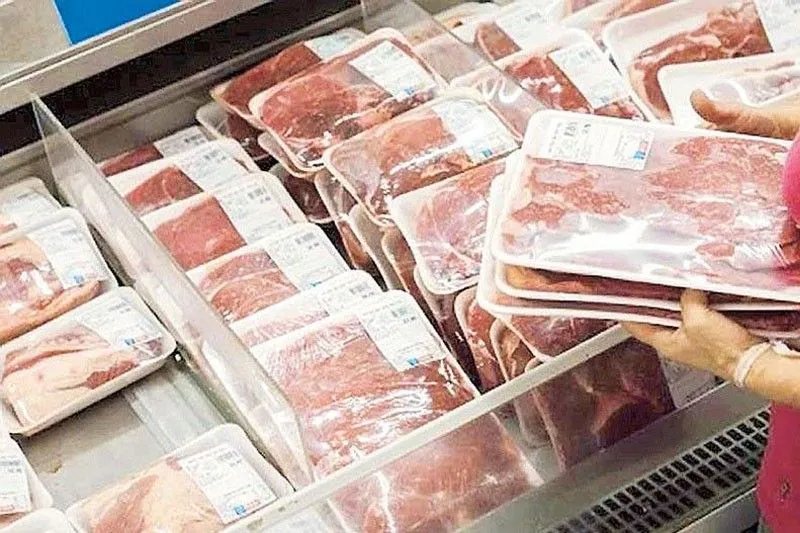
Higher Philippine duties on imported pork risk increasing consumer prices and fuelling inflation, according to the British Chamber of Commerce Philippines (BCCP). The chamber has asked that existing rates remain unchanged until local supply is sufficient to meet rising demand.
The Department of Agriculture says its proposed tariff increases would shield domestic hog producers from continuing pork imports. It wants in-quota duties raised from 15 per cent to 30 per cent, with out-quota rates moving from 25 per cent to 40 per cent.
Separately, the department has proposed halting pork imports for two months starting in November. It would stop issuing permits for 60 days for products including kasim (shoulder), pigue (butt) and liempo (belly).
Chris Nelson, BCCP executive vice chairman, said the proposed suspension could worsen supply constraints and raise prices. He also sought clearer trading conditions and clarification on additional minimum access volume (MAV) allocations, saying some traders had not received allocations.
The BCCP submitted its objections to higher tariffs to the Tariff Commission. In May, the government lifted the pork MAV from 54,210 MT to 204,210 metric tons.
Bureau of Animal Industry data showed pork imports reached 573,091 MT over January–August, including around 14,838 MT supplied by the United Kingdom.