Thailand sets four policy priorities for IMF–World Bank meetings
The October 12–18 gathering in Bangkok will address digital growth, economic resilience, climate financing and the challenges of an ageing population.
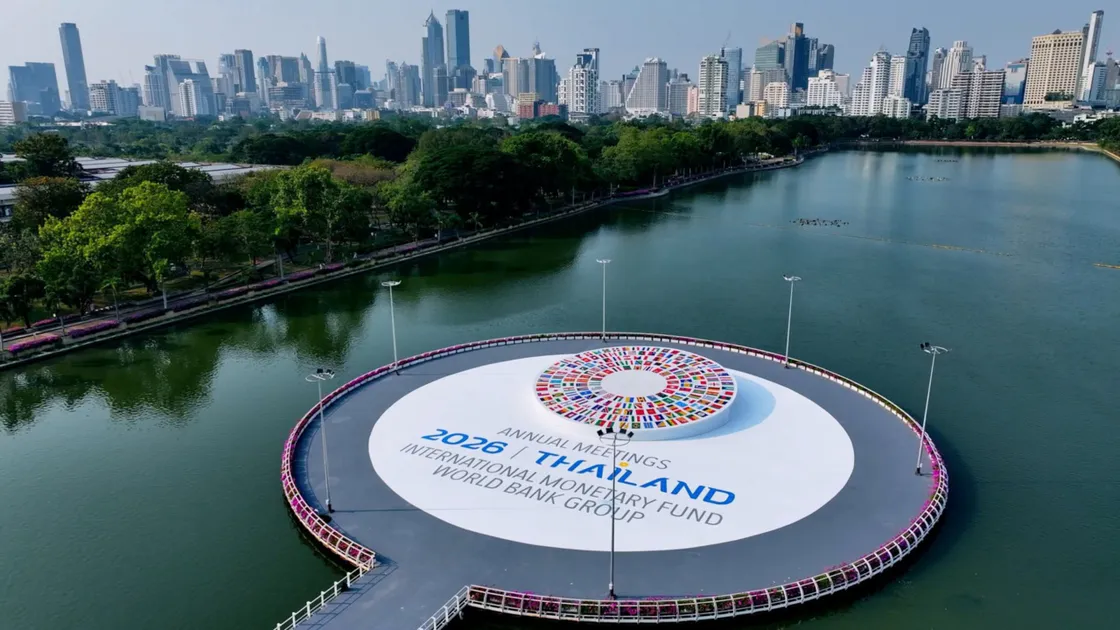
Thailand plans to present a four-part economic agenda when Bangkok hosts the 2026 annual meetings of the International Monetary Fund (IMF) and World Bank Group on October 12–18. Thousands of finance ministers, central bankers and development leaders are expected at the Queen Sirikit National Convention Center, as the gathering returns to Thailand after more than 35 years.
The government's digital proposals involve PromptPay, cross-border QR payments and artificial intelligence, with the aim of improving public services, healthcare and targeted fiscal policy. It also wants middle powers to help connect international partners and intends to highlight Thailand's potential role in regional trade, investment and finance.
The other priorities concern changes to international climate funding and economic responses to population ageing. Thailand seeks financing reforms that support fair energy transitions and encourage private investment in adaptation projects. Its demographic agenda aims to develop financial frameworks and sources of economic activity around an ageing population.
For the World Bank Group, discussions will include drawing private investment into infrastructure and employment, examining small-scale AI uses in emerging markets and holding a civil society forum. The IMF is scheduled to issue its World Economic Outlook and Global Financial Stability Report, alongside consideration of inflation, borrowing costs and risks surrounding sovereign debt.
Seminars run on October 12–14, followed by the Development Committee's ministerial session on October 15. The annual meetings plenary is scheduled for October 16, with the International Monetary and Financial Committee plenary on October 17. IMF managing director Kristalina Georgieva and World Bank Group president Ajay Banga will co-chair senior-level discussions about mobilising capital and maintaining global financial stability.