ASEAN urged to strengthen regional trade and production links
Panellists in Ho Chi Minh City called for fewer non-tariff barriers and greater specialisation to strengthen trade within the bloc.
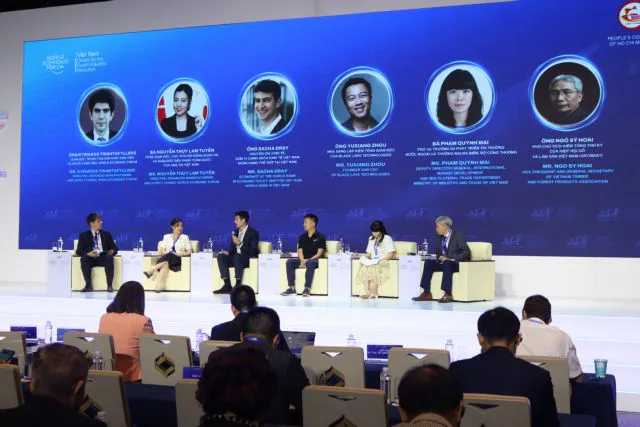
ASEAN countries should deepen trade ties and combine their manufacturing strengths rather than compete across every production stage, speakers told the Autumn Economic Forum in Ho Chi Minh City on October 27.
Sasha Drey, an economist with the World Bank in Vietnam’s Economic Policy Unit, said only 22 per cent of ASEAN’s approximately US$2 trillion in annual exports remain within the bloc, against 60 per cent in the European Union. He said reliance on demand from outside the region could leave members more vulnerable.
Drey said regional value chains account for only a third of ASEAN’s global value chain participation, compared with 70 per cent within the EU. Members could gain more from existing trade by combining advantages such as affordable production wages in one country with highly productive capital in another, he said.
Pham Quynh Mai, deputy head of the Ministry of Industry and Trade’s International Market Development and Multilateral Trade Department, urged members to tackle non-tariff barriers. She said customs processes, certification and logistics increase costs and reduce efficiency.
Mai called for information-sharing and capacity-building to prevent duplicated regulations, testing and certification procedures. She also urged clearer, simpler customs processes and wider use of electronic documents.
Ngo Sy Hoai, vice president and general secretary of the Vietnam Timber and Forest Products Association, said members should combine their forestry resources and low production costs to improve regional competitiveness. Other panellists advocated investment across ASEAN borders and specialisation in particular production stages to build stronger regional supply chains.