Vietnam posts 9.01 per cent GDP growth in first nine months of 2026
Industry and construction contributed 49.62 per cent of the increase, while the statistics agency raised its growth estimates for the first two quarters.
Vietnam’s economy expanded by 9.01 per cent during January-September 2026, compared with 7.8 per cent in the corresponding period last year, according to the National Statistics Office. Industry and construction provided the largest share of the increase.
The agency raised its first-quarter growth estimate to 8.15 per cent from 7.94 per cent and its second-quarter estimate to 8.81 per cent from 8.39 per cent. Growth accelerated across all three quarters of 2026.
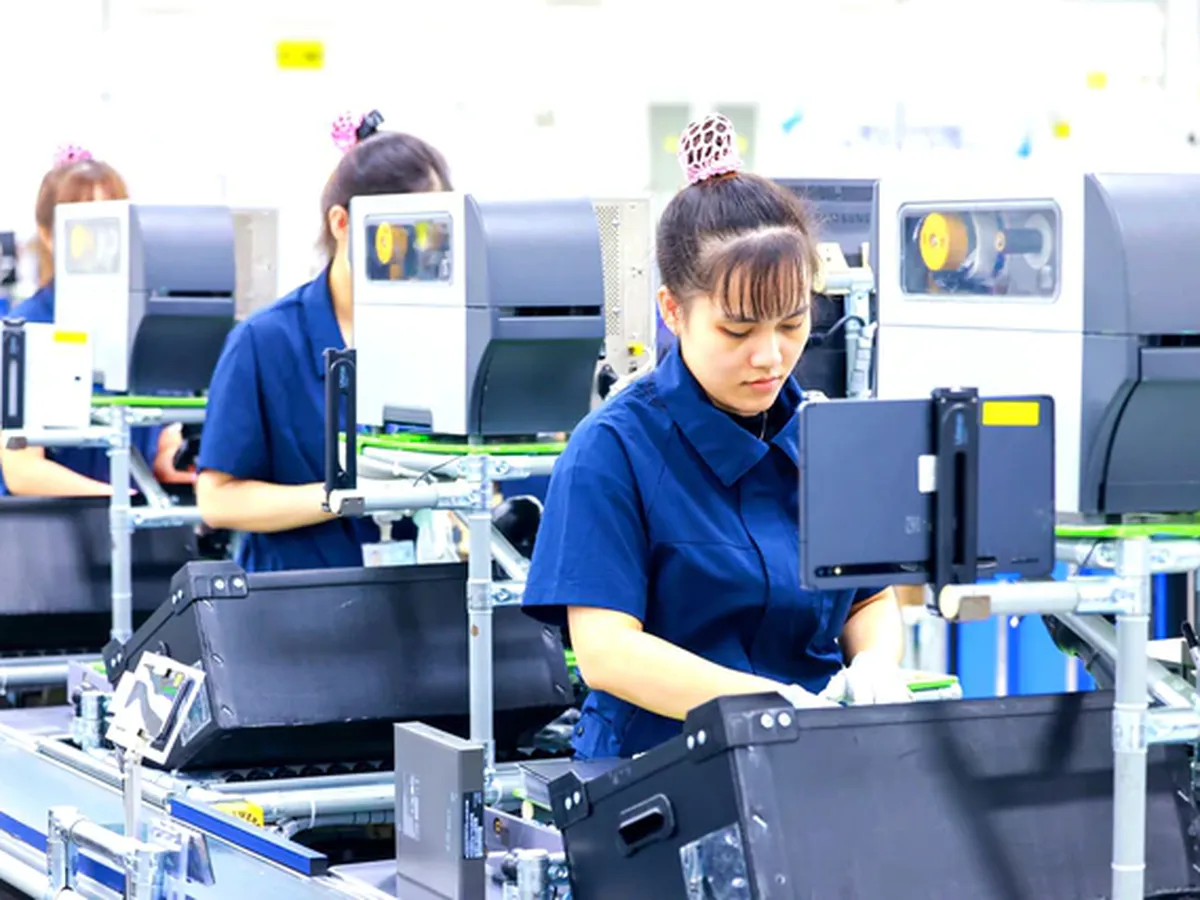
In the third quarter, industry and construction expanded by 12.5 per cent, outpacing the other two main sectors. Manufacturing and processing increased by 12.28 per cent, electricity production and distribution by 13.13 per cent, and construction by 14.22 per cent. Services grew by 9.54 per cent, while agriculture, forestry and fisheries recorded 4.21 per cent growth.
Across the nine months, industry and construction grew by 11.21 per cent and contributed 49.62 per cent of overall growth. Services expanded by 8.69 per cent, contributing 45.03 per cent. Agriculture, forestry and fisheries increased by 4.02 per cent and supplied 5.35 per cent of the increase.
The industrial production index rose by 12.3 per cent over January-September. The statistics office said this was the strongest growth for that period in many years.
Of Vietnam’s 34 cities and provinces, 12 recorded gross regional domestic product growth of at least 10 per cent over the nine months. Quang Ninh City led with 12.54 per cent, ahead of Ha Tinh Province at 12.36 per cent and Hai Phong City at 12.08 per cent. Hanoi grew by 8.85 per cent and Ho Chi Minh City by 9.06 per cent.
Lower rates included Son La Province’s 5.59 per cent, Vinh Long’s 7.32 per cent, Ca Mau’s 7.37 per cent and Dong Thap’s 7.44 per cent. The agency linked their slower growth to falling electricity output and agriculture’s relatively large role in their economies.