Tesla and Samsung resist further US tariffs on Vietnam
Washington has set a 29 November deadline for an intellectual property investigation, while several US producer groups are seeking new penalties.
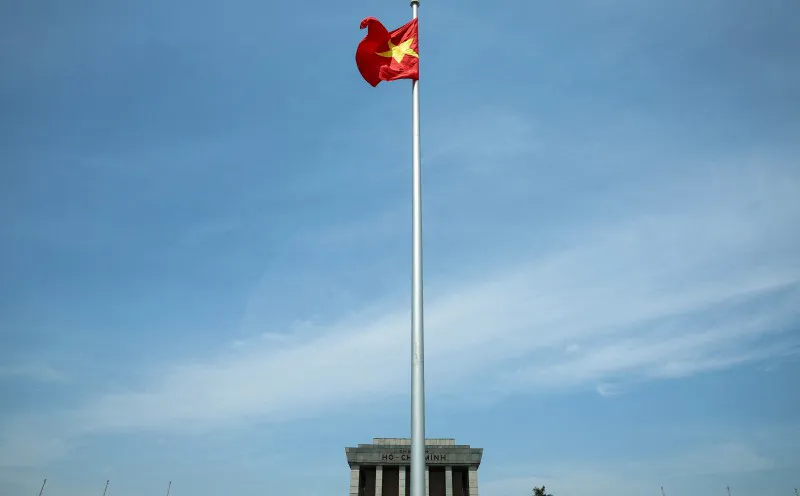
Tesla and Samsung have argued against additional US tariffs on Vietnamese imports, citing manufacturing supply chains, as Washington approaches a 29 November deadline to finish an intellectual property investigation. Submissions to the US government show businesses are split, with several producer groups seeking penalties.
The Trump administration opened the investigation in May, alleging shortcomings in Vietnam's intellectual property protection and enforcement. Washington placed Vietnam in its most serious watchlist category, making it the first jurisdiction added in 13 years. Vietnam has asked the US to carry out its investigations objectively.
Whether any resulting duties would cover all goods or particular sectors remains unclear. Vietnamese products already face a general US tariff of 12.5 per cent, introduced in July following a separate investigation into alleged failures to stop imports made using forced labour.
In comments submitted on 2 July, Tesla told the US Trade Representative that American manufacturers' supply requirements should be considered. The electric carmaker said certain advanced components and precision manufacturing equipment remained unavailable domestically despite substantial investment in US production.
Samsung's US unit also raised supply-chain concerns, saying Vietnam manufactures a substantial proportion of its smartphones and network equipment destined for American buyers. Samsung has invested about US$25 billion in Vietnam and is the country's largest foreign investor. Retail and manufacturing associations covering footwear, clothing and other consumer products also opposed further duties.
By contrast, groups representing American steel, seafood, plywood, solar panel and wood product producers alleged unfair practices and requested new tariffs. Software, film and music industry organisations sought firm Vietnamese commitments against piracy. The Business Software Alliance cited a 2017 survey indicating that about three-quarters of software on personal computers in Vietnam was unlicensed.