Indonesia’s financial sector remains stable, regulator says
OJK pointed to stronger domestic demand and an October manufacturing PMI of 54, the highest since March 2024.
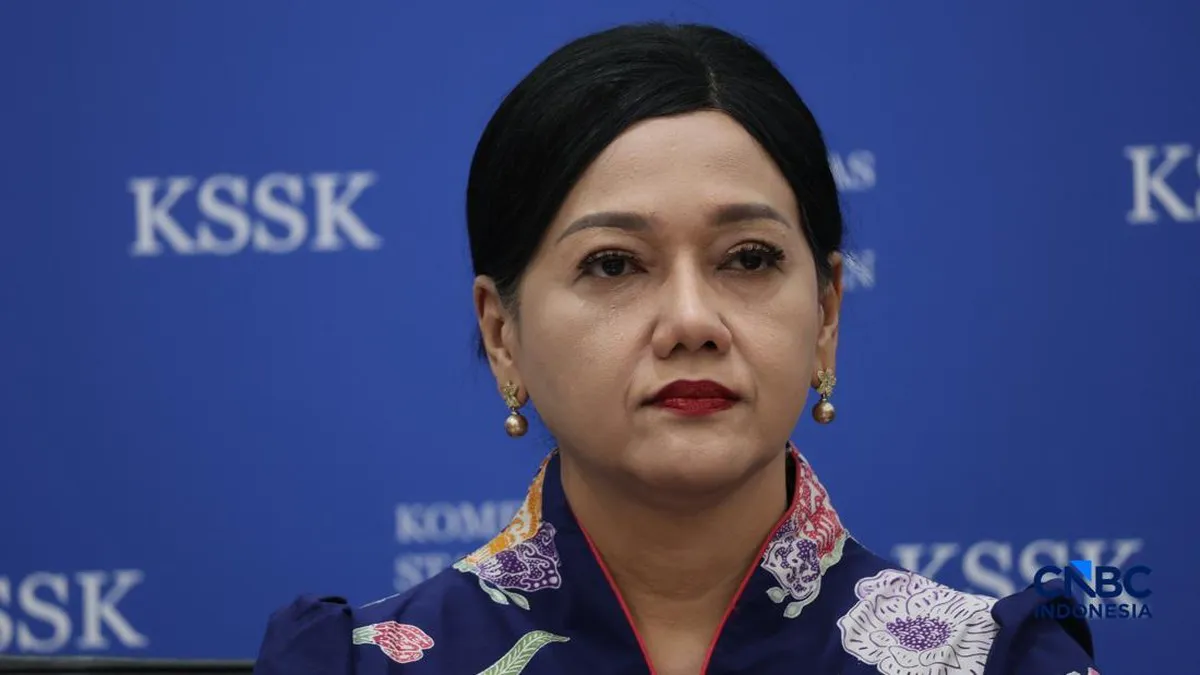
Indonesia’s Financial Services Authority (OJK) assessed the country’s financial sector as stable despite continuing geopolitical conflicts and global inflation pressures. Its board of commissioners chair, Friderica Widyasari Dewi, outlined the assessment at a virtual press conference on November 5, 2026.
Domestic indicators showed rising demand, with money supply expanding, core inflation remaining stable and vehicle sales holding firm. Manufacturing activity strengthened as October’s Purchasing Managers’ Index (PMI) reached 54, its highest reading since March 2024. The economy grew by 5.4 per cent in the third quarter of 2026, with every business sector recording growth.
Friderica said energy prices were a major influence on global inflation. Inflation in countries including Japan and the United Kingdom had exceeded target ranges, fuelling expectations of interest rate increases. Monetary tightening was expected to continue through 2027.
She also said limited fiscal room was constraining governments’ ability to provide subsidies. Budget adjustments needed in several countries were contributing to widespread social tensions. Expectations of high interest rates and global instability were encouraging investors to reduce risk, although technology shares continued to rise and influence global stock market performance.