Jakarta office occupancy gaps widen divide in landlords’ rental leverage
Premium offices approached 84 per cent occupancy in the third quarter of 2026, compared with 76.3 per cent across Jakarta’s CBD.
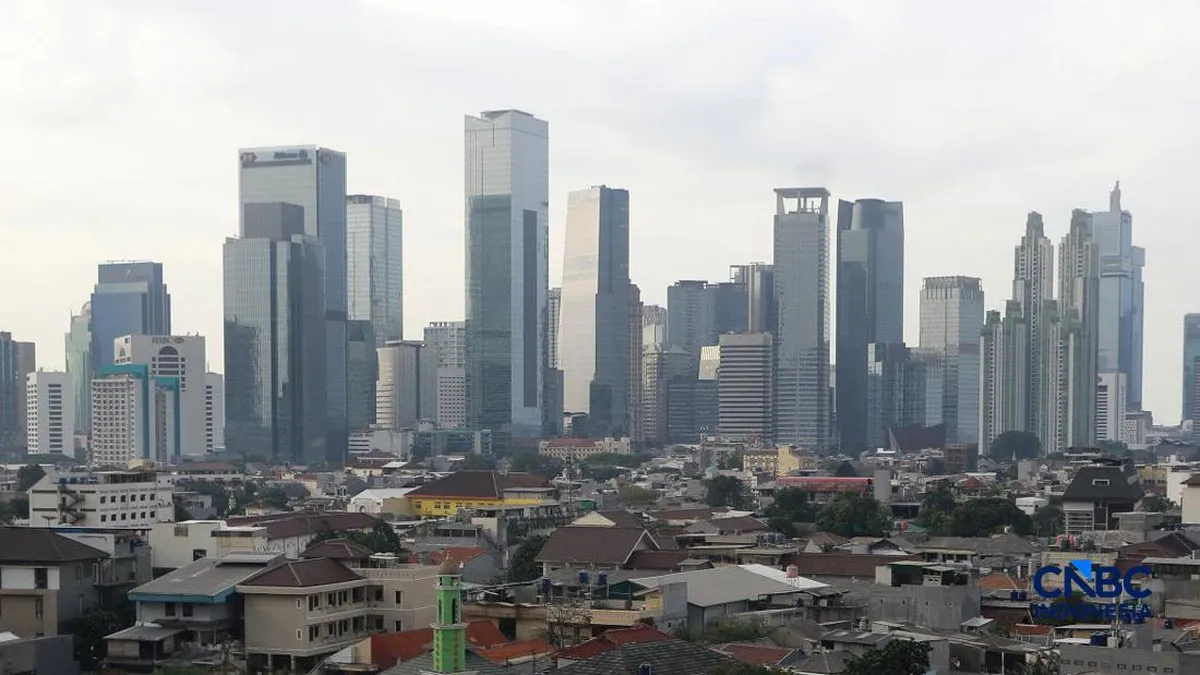
Jakarta’s uneven office recovery is giving landlords of well-occupied buildings more influence over rental terms, while those with substantial vacancies face tougher competition, said Ferry Salanto, head of research at Colliers Indonesia.
Figures from Colliers Indonesia show that offices in Jakarta’s Central Business District (CBD) were 76.3 per cent occupied in the third quarter of 2026. Occupancy was nearly 78 per cent for Grade A properties and almost 84 per cent for the Premium category, with some premium buildings above 90 per cent.
Salanto said buildings combining high occupancy with little space available were gaining negotiating strength on rents. Properties with more empty offices, by contrast, needed more attractive workspace offers and flexible rental terms to compete for tenants.
Companies’ office choices now extend beyond rent and location to management quality, transport connections, amenities, environmental, social and governance practices, and total expenditure. The preference for better-quality premises is also becoming a search for value, with tenants weighing improvements in comfort and facilities against the extra cost.
Salanto said tenants still had scope to move, improve their office accommodation or renegotiate lease conditions. For landlords seeking to keep occupiers, he said, location alone was no longer enough as companies assessed the benefits of their workspace more selectively.