Bank Indonesia cuts reserve requirements, drawing support from lenders
Conventional banks’ reserve requirement will drop to 7 per cent, while Islamic lenders will reach 5.5 per cent in December.
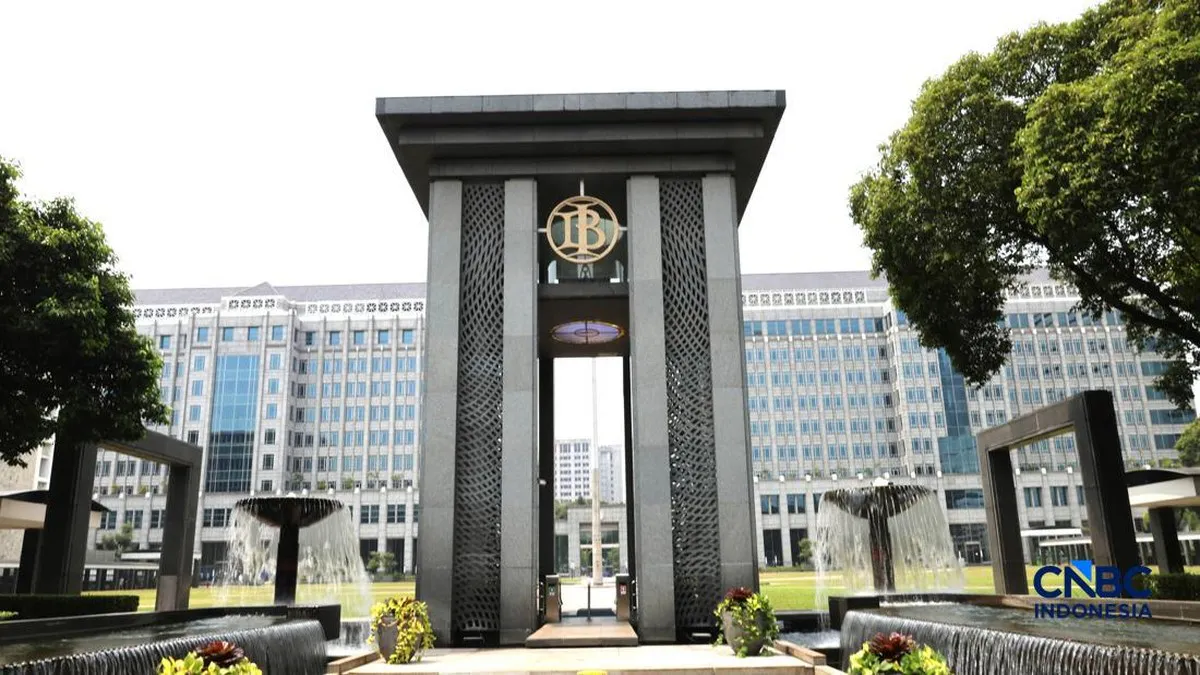
Indonesia’s central bank approved lower minimum reserve requirements at its October 2026 board meeting, with implementation starting in stages on 1 November 2026. Banking industry representatives welcomed the decision, while several highlighted tight liquidity or high funding costs.
The conventional banking requirement will be reduced from 9 per cent to 7 per cent. Islamic banks and Islamic banking units will move from 7.5 per cent to 6.5 per cent on 1 November 2026, followed by a further reduction to 5.5 per cent on 1 December 2026.
In comments on 21 October, Perbanas chairman and Bank Rakyat Indonesia president director Hery Gunardi said the policy could boost market liquidity. He anticipated stronger credit disbursement and an improvement in banks’ loan-to-deposit ratios.
Two Perbanas deputy chairpersons also backed the move. Bank Central Asia president director Hendra Lembong described liquidity as still slightly tight, while Bank CIMB Niaga president director Lani Darmawan said funding was available but costly.
Asbisindo secretary-general Koko Tjatur Rachmadi said the Islamic banking association hoped the reduction would bring more liquidity to the market. Koko, who heads Bank Aladin Syariah, linked particularly tight conditions to a sharp fall in Indonesian stocks. He also called for further policy action and noted that banks normally compete for deposits towards year-end.
Asbanda chairman Agus Haryoto Widodo, also president director of Bank Jakarta, said the additional room could help regional development banks finance micro, small and medium-sized enterprises, business working capital and job-creating sectors. He said greater liquidity flexibility could also support more efficient fund management and more competitive lending rates.