Bank Indonesia reports Rp458.5 trillion in bank liquidity incentives
A revised incentive framework will take effect on 1 December 2026, with a ceiling of 5 per cent of banks’ third-party funds.
Banks received Rp458.5 trillion under Bank Indonesia’s macroprudential liquidity incentive policy, known as KLM, through the first week of October 2026, the central bank said. The programme supports lending to the real economy and money-market development.
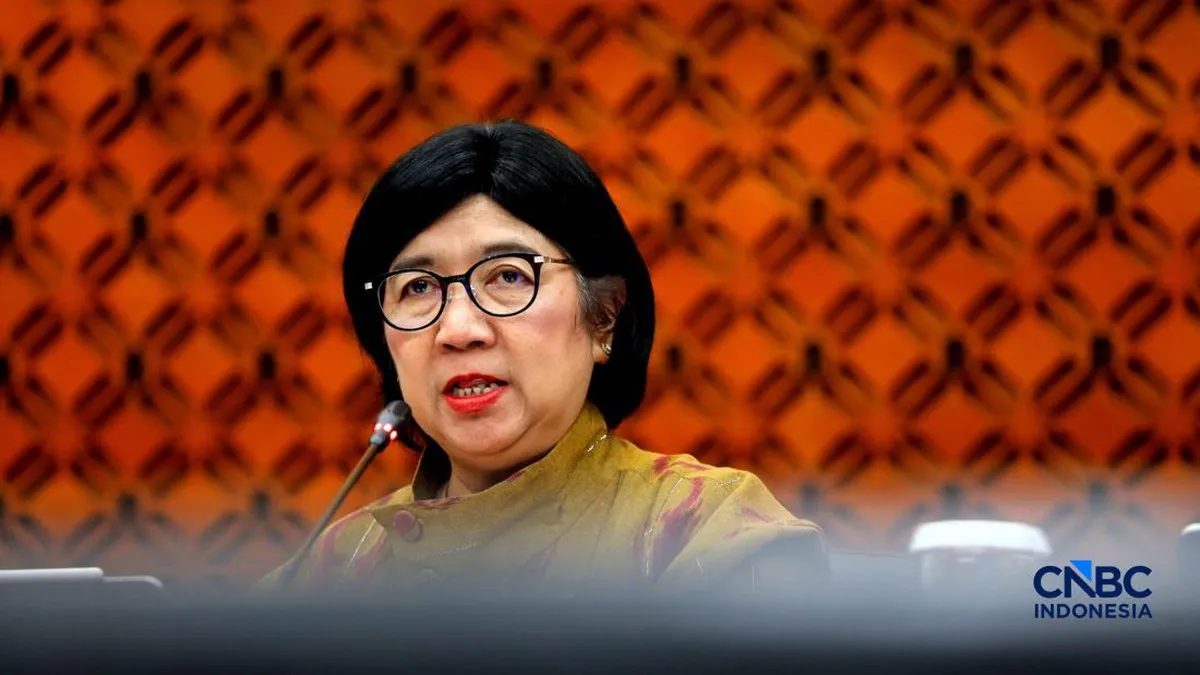
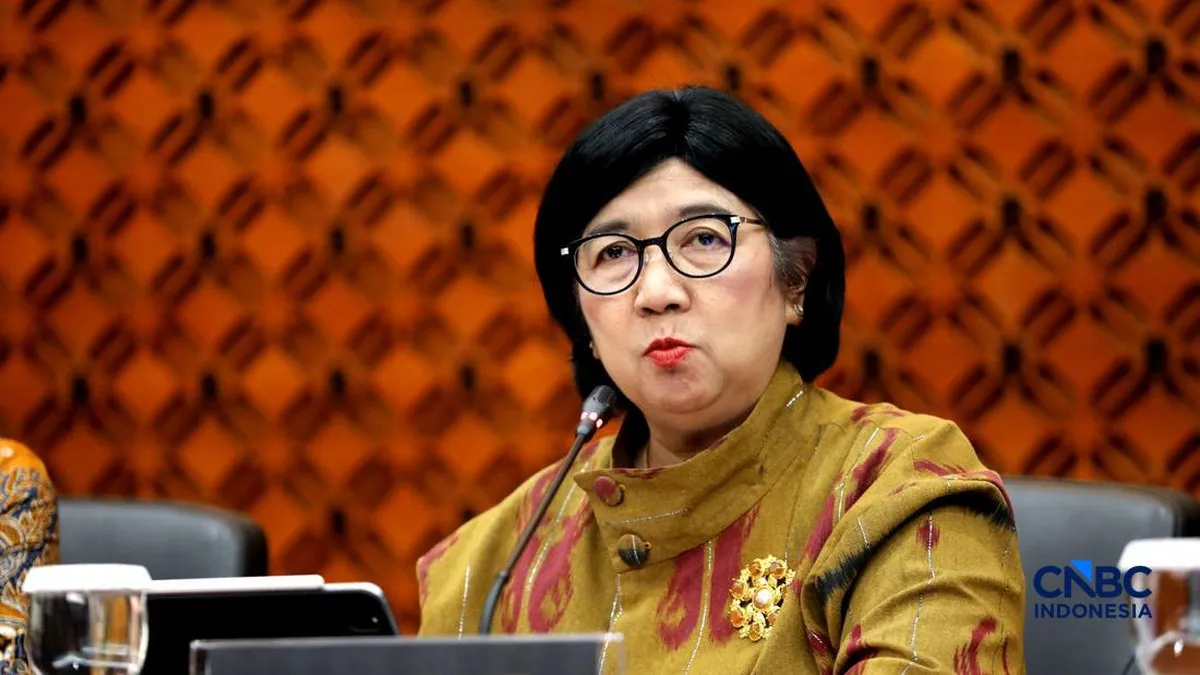
Governor Destry Damayanti presented the figures on 21 October following the central bank’s Board of Governors meeting. The financing channel accounted for Rp336.4 trillion, while Rp122.1 trillion went through the money-market deepening channel, or PPU.
The financing channel, which received most of the incentives, is intended to encourage lending or financing to priority sectors. Bank Indonesia said the PPU channel had helped redistribute liquidity among banks and increased transactions in the rupiah money market.
From 1 December 2026, the maximum KLM incentive will be set at 5 per cent of third-party funds. The financing channel will have a ceiling of 3 per cent, with lending and financing support extended to business sectors that contribute to job creation. The PPU channel will be capped at 2 per cent.
Destry said Bank Indonesia would continue refining KLM implementation to make credit and financing distribution more effective while maintaining prudential standards. The central bank said its accommodative macroprudential policy would continue to support lending while preserving financial-system stability.