Timor-Leste adopts roadmap to meet ASEAN economic obligations
The framework spans 2026–2030 and requires public institutions to report regularly on progress, obstacles and proposed solutions.
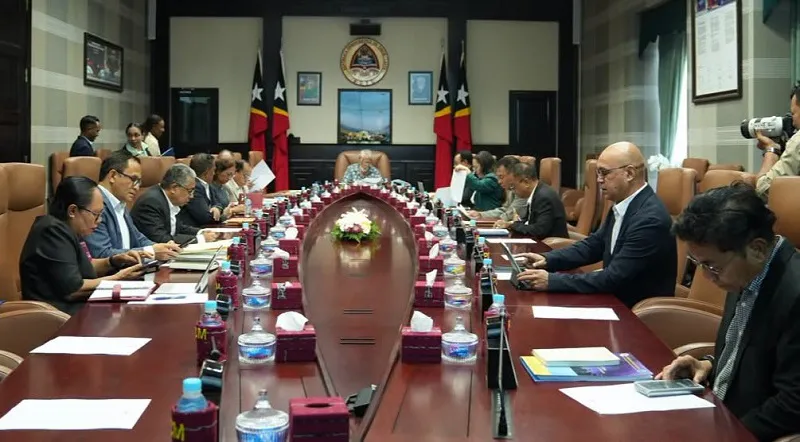
Timor-Leste’s cabinet has endorsed a 2026–2030 roadmap setting out how the country will fulfil its ASEAN economic obligations in stages, a government statement said. The framework identifies priorities, measures and the institutions responsible for carrying them out.
Supporting documents comprise 19 Sectoral Strategic Action Plans spanning 2026–2030, plus 19 Sectoral Work Plans spanning 2026–2027. They specify reforms and practical measures for each sector.
Ministries and other public bodies must implement the measures assigned to them. The foreign affairs and cooperation ministry will oversee coordination and monitoring and bring together progress updates, with the vice minister for ASEAN affairs coordinating that work.
Responsible institutions must report regularly on implementation, detailing achievements, difficulties and proposed remedies. Reviews will consider changes to the country’s ASEAN obligations, decisions taken by relevant ASEAN bodies and domestic priorities.
Bendito dos Santos Freitas, the foreign affairs and cooperation minister, presented the roadmap alongside Milena Maria da Costa Rangel, vice minister for ASEAN affairs. The government said the decision was intended to align national implementation efforts and deepen the country’s participation in the ASEAN Economic Community.