Indonesia shifts mineral strategy towards integrated industrial production
Mineral downstreaming accounts for about 30% of Indonesia’s total investment, worth US$61 billion, according to minister Rosan Roeslani.
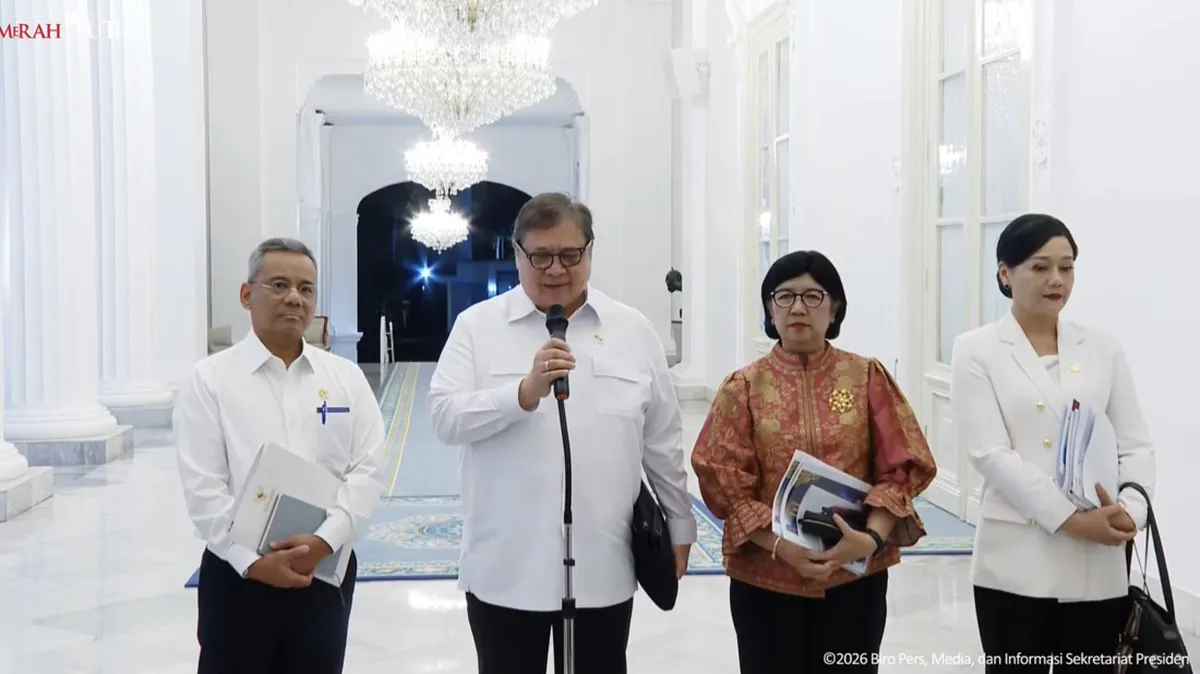
Indonesia is moving beyond building mineral-processing plants towards linking mining with manufacturing, clean energy and technology, Investment and Downstreaming Minister Rosan Roeslani said in a written statement dated 20 October 2026.
Rosan, who also heads the Investment Coordinating Board (BKPM), said downstreaming investment had reached US$61 billion, an increase of 7.2%, and represented about 30% of national investment. He said the government’s aim was to develop domestic industries rather than concentrate on exports of unprocessed materials.
The strategy seeks to connect mineral extraction and processing with industries that produce higher-value goods. Rosan identified Indonesia’s nickel, bauxite, copper and other critical mineral reserves as resources supporting that approach.
MIND ID’s downstreaming programme covers nickel, the bauxite-to-aluminium production chain and copper. Through Indonesia Battery Corporation (IBC), the group is participating in efforts to connect Indonesian mineral resources with battery production and electric-vehicle manufacturing.
For bauxite, the programme envisages processing the mineral into alumina and then aluminium for domestic manufacturing. Copper development is intended to serve industries including electricity, electronics and manufacturing. Preparations for recycling are also part of the effort to establish a circular industrial system in Indonesia.