Indonesia seeks broader industrial push beyond raw material processing
The government is targeting finished goods, stronger local supply chains and new processing industries based on agricultural and marine resources.
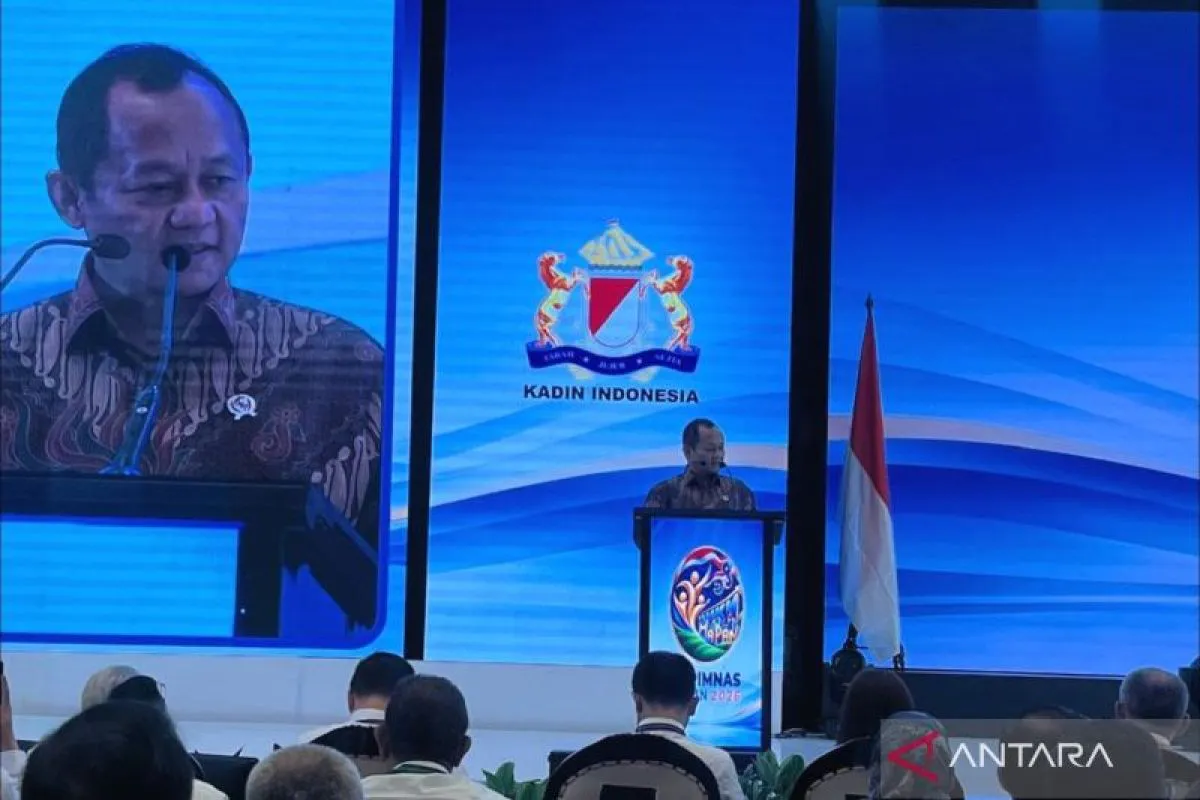
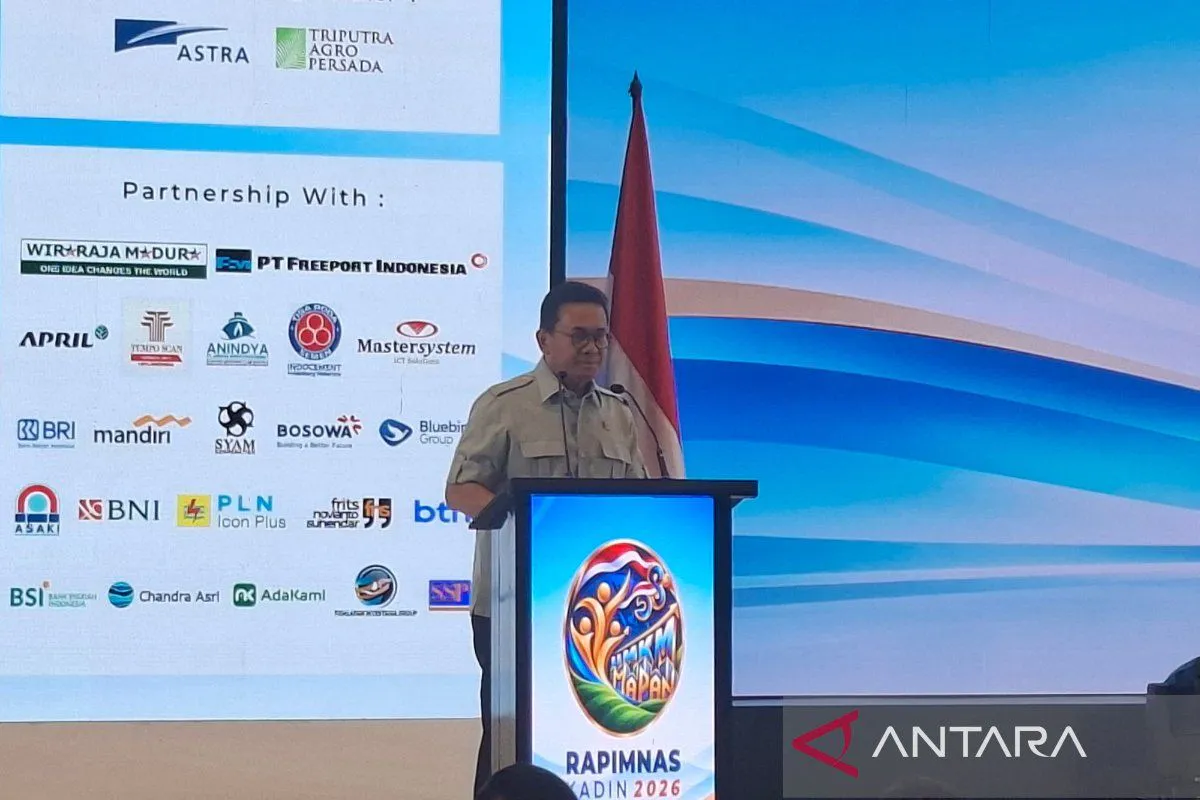
Indonesia’s Industry Minister Muhammad Sarmuji has called for the country’s downstreaming strategy to extend into finished products and supporting industries, rather than stopping at intermediate manufacturing. He outlined the approach at the Indonesian Chamber of Commerce and Industry (Kadin) National Conference in Jakarta.
The Industry Ministry said investment inflows alone were not enough to gauge industrial progress. Its priorities include adding more value domestically, strengthening technological capabilities, creating jobs and building local supply chains.
Sarmuji pointed to nickel’s progression from ore processing to battery components and electric vehicles. He said that development also supported smaller industrial businesses, machinery production, logistics and professional services.
The government is broadening its focus to palm oil, coconuts, marine commodities including seaweed, and biodiversity. Sarmuji identified pasak bumi (Eurycoma longifolia) and cat’s whiskers (Orthosiphon aristatus) as plants that could provide domestically produced pharmaceutical ingredients, which Indonesia currently imports in large quantities.
The ministry continues to use the Domestic Component Level (TKDN) policy to support local industry. According to Central Statistics Agency (BPS) simulations, each Rp1 spent on domestic products produces an estimated Rp2.2 impact on national economic growth.
The simulations also indicate that import substitution worth Rp400 trillion could accelerate national economic growth by 1.71 per cent and generate Rp627.58 trillion in additional economic output. The ministry is expanding partnerships between small and medium-sized industries and large industrial companies to bring smaller businesses into domestic manufacturing supply chains.