Vietnam records US$20 billion electronics trade deficit
Imports outpaced electronics exports despite a 65% rise in shipments of computers, electronic products and components.
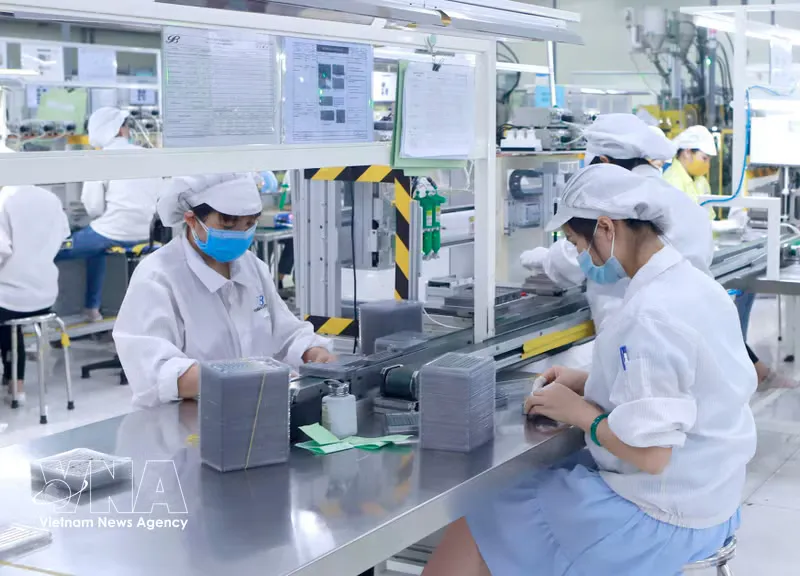
Vietnam recorded a trade deficit of around US$20 billion across its computer, electronics and telephone product groups by October 15, despite rising exports, according to Department of Customs figures. The Ministry of Industry and Trade met major electronics businesses in Hanoi on October 30 to review the imbalance and discuss the sector’s development.
Combined exports from the two groups reached US$189.65 billion, representing around 40% of Vietnam’s export value. Computers, electronic products and components contributed US$135.3 billion, a 65% year-on-year increase, supported partly by global demand for artificial intelligence equipment and data centres.
Imports across the two groups reached US$209.7 billion. Of that, approximately US$201 billion was spent on computers, electronic products and components. A surplus exceeding US$45.67 billion in telephones and components was insufficient to offset the wider electronics shortfall.
Tran Thanh Hai, Deputy Director of the Agency of Foreign Trade, said foreign-invested companies dominated electronics manufacturing, assembly and exports. Domestic firms largely supplied components, supporting industries and technical services. The sector remained heavily dependent on imported materials and parts, with limited locally generated value.
Higher imports of production inputs were a major contributor to the deficit. Prices for some chip types rose 300-500%, increasing import bills without a corresponding rise in volumes. Factory expansion and stockpiling also increased demand for overseas machinery and supplies.
The agency proposed encouraging investment in strategic electronics segments and semiconductors, expanding research and development, and improving supporting industries. It also called for stronger links between foreign-invested and domestic businesses, more diverse markets and suppliers, and improvements in workforce skills and logistics.