Indonesia
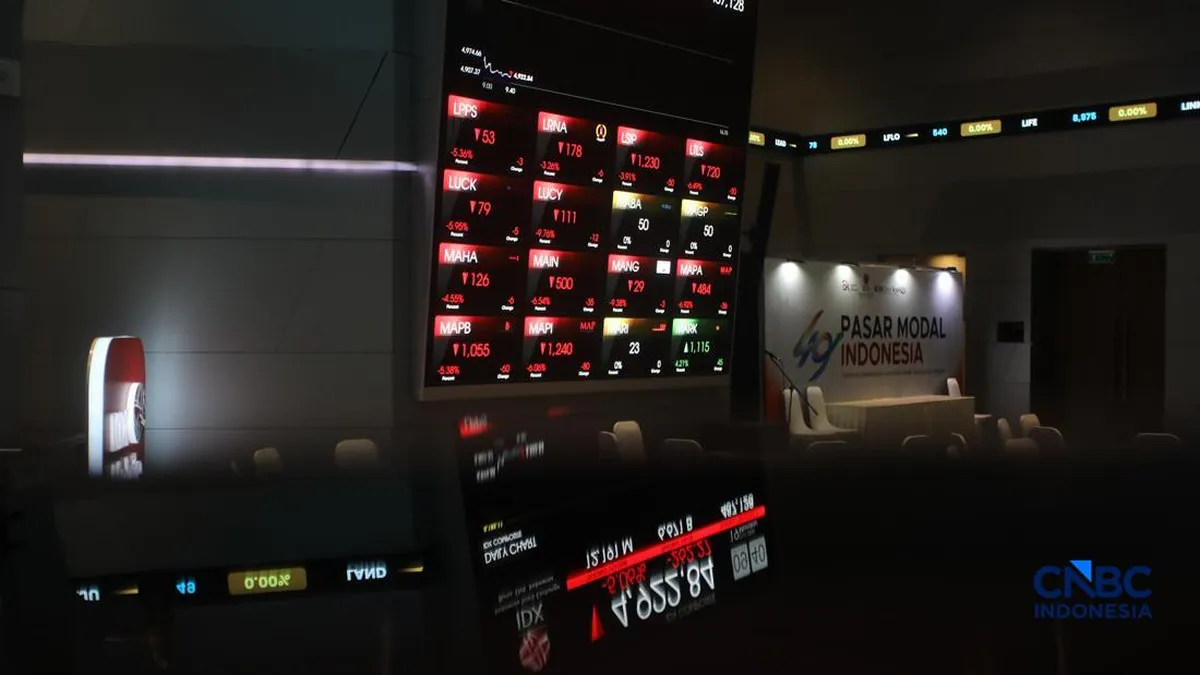
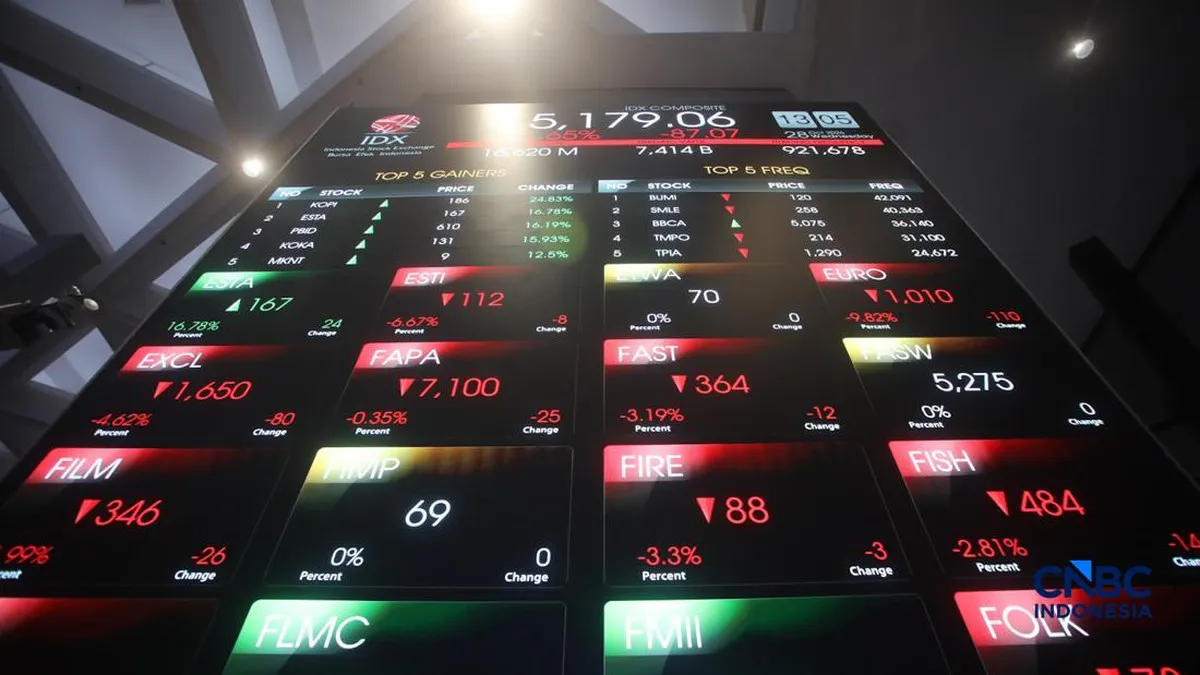
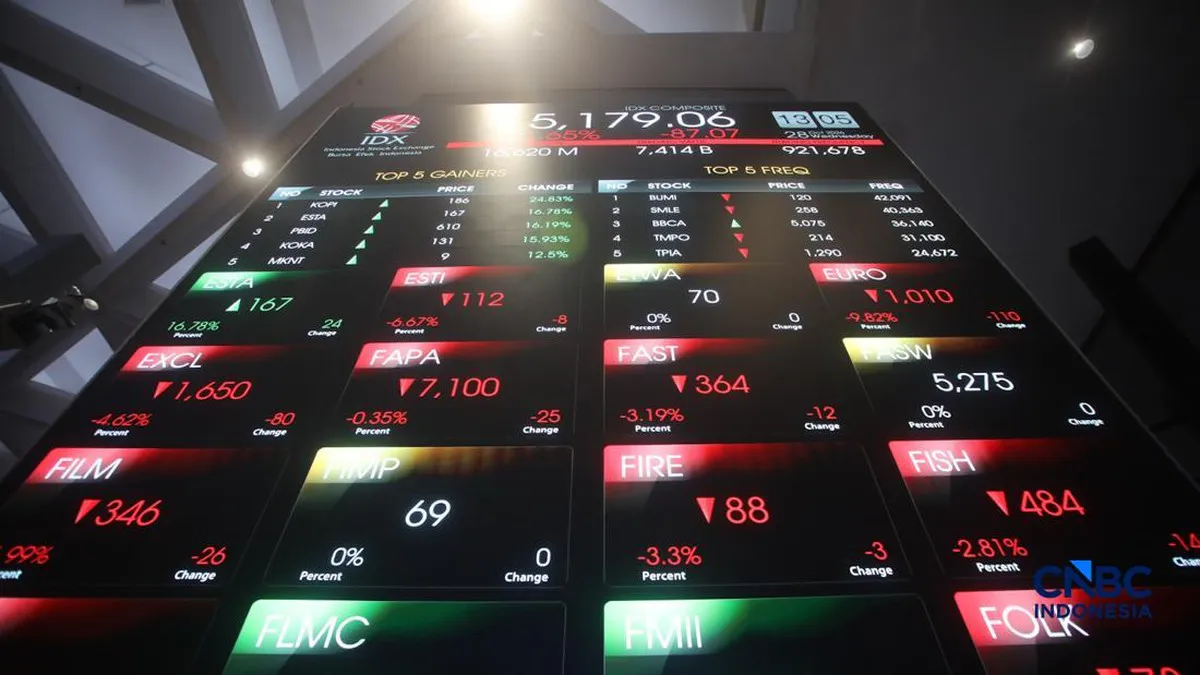
Indonesia’s IHSG falls 1.49% in early trading
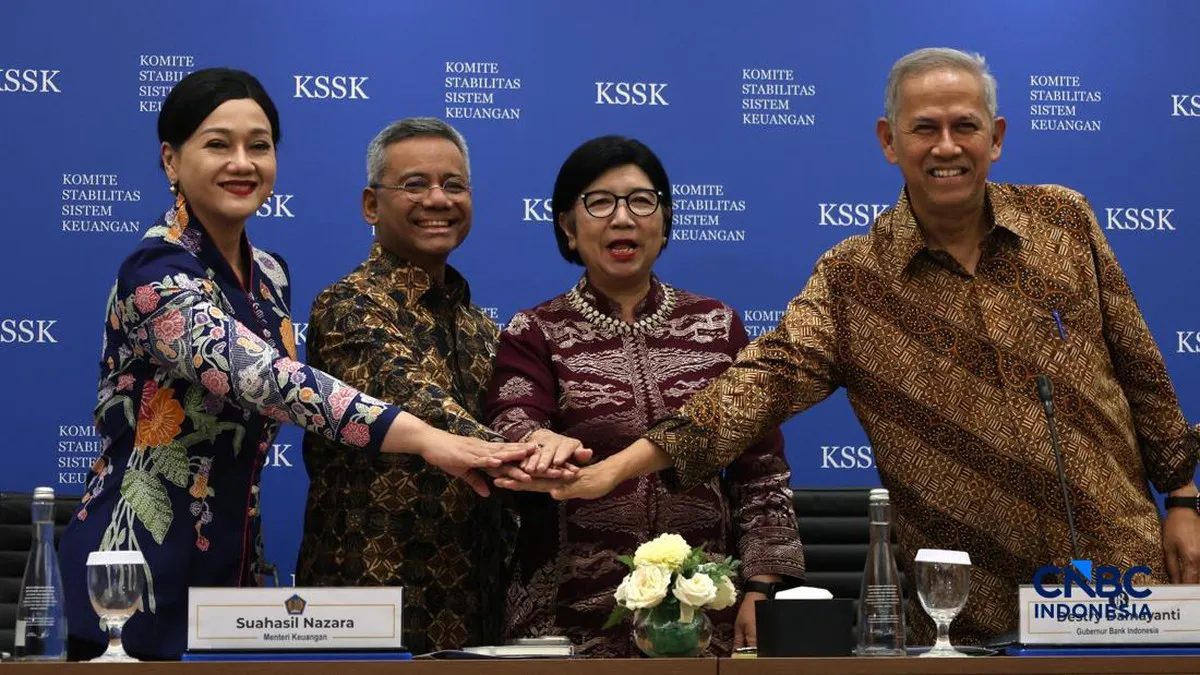
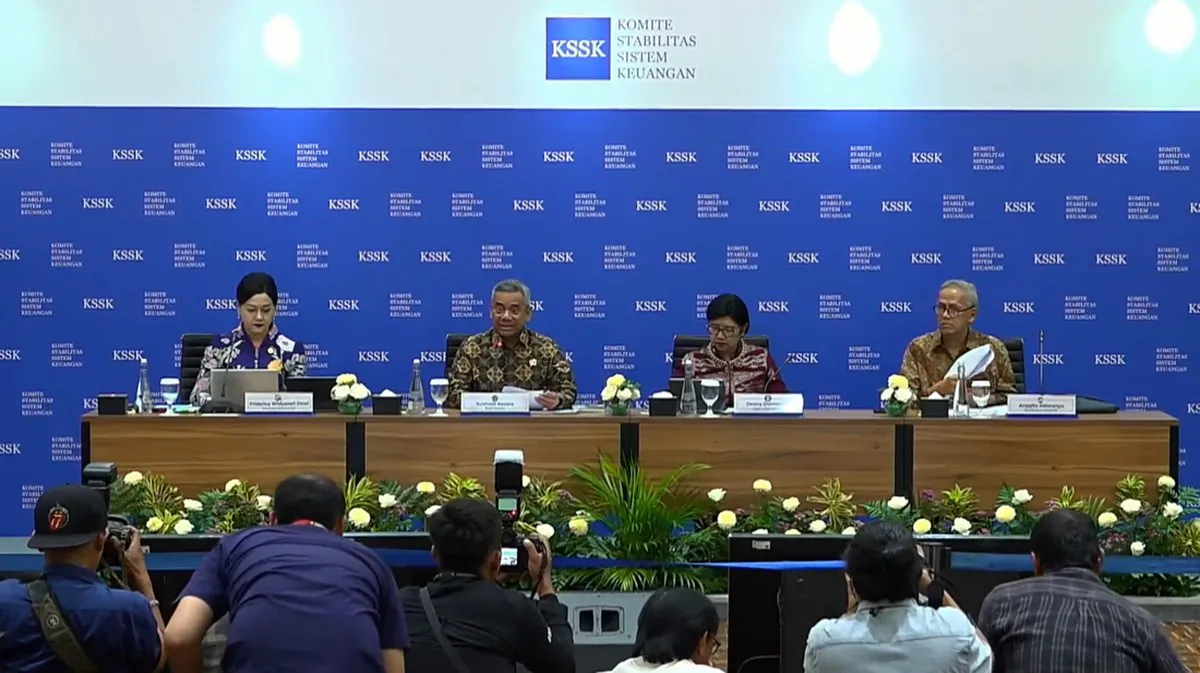
The index extended its opening losses, while Indonesia’s financial stability committee said the financial system remained stable in the third quarter.
Markets stories about Indonesia. Stock exchanges, currencies, bonds and commodity prices.
Page 13 of 34
The index extended its opening losses, while Indonesia’s financial stability committee said the financial system remained stable in the third quarter.
The benchmark index lost 16.7 per cent in October after a third-quarter gain, while mutual fund assets and investor numbers increased, OJK said.
Bids reached Rp28.55 trillion against an indicative target of Rp10 trillion, with demand concentrated in shorter-term securities.
The ministry backs capital-market reforms led by OJK and the Indonesia Stock Exchange but says it will remain a policymaker, not an owner or operator.
OJK said corporate performance remained strong and capital-market fundraising reached Rp205.77 trillion through October 2026.
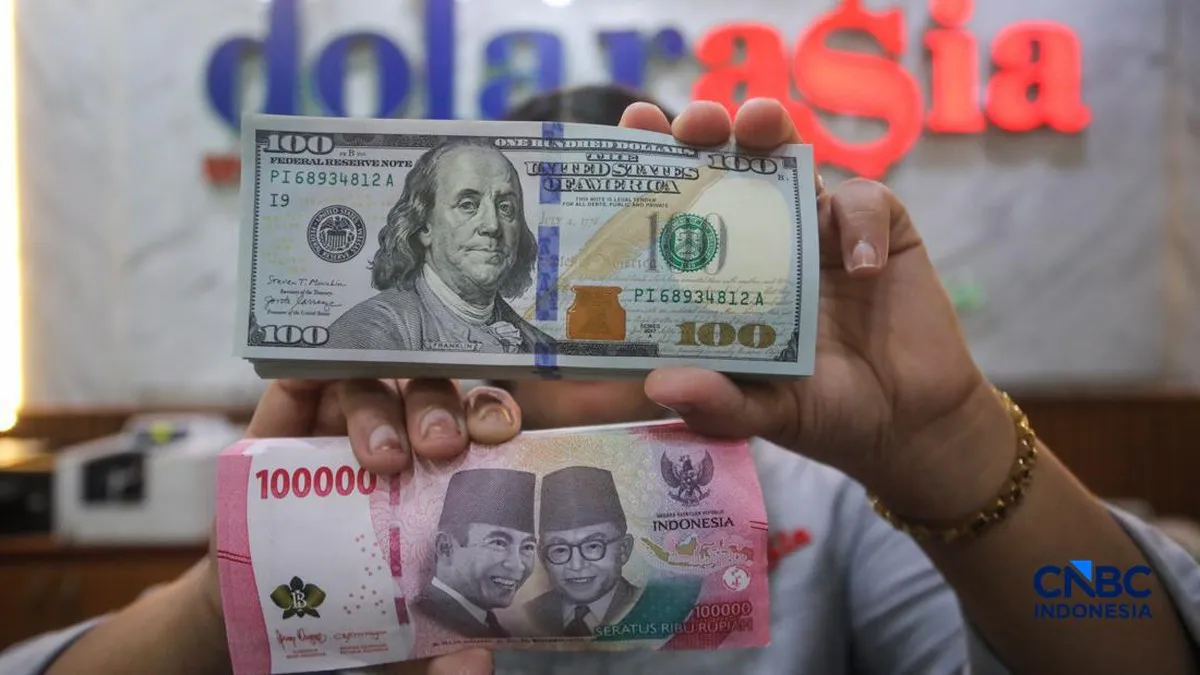
Bank Indonesia Governor Destry Damayanti attributed the currency's weakness to Middle East conflict, tighter US monetary policy and investor sentiment.
The yield spread between Indonesia’s 10-year government bonds and US Treasuries stood at 183 basis points, slightly below its end-2025 level.
All sectors declined, led by basic materials and real estate, as trading turnover reached Rp10.22 trillion.
The currency recovered from an intraday low as bank economists pointed to the possibility of further monetary tightening by Bank Indonesia.
Seven of the companies have been declared bankrupt, while the other 11 have had share trading suspended for more than 50 months.