Timor-Leste seeks closer agency coordination against trade money laundering
A workshop in Dili is expected to help develop national guidelines and improve suspicious transaction reporting procedures.
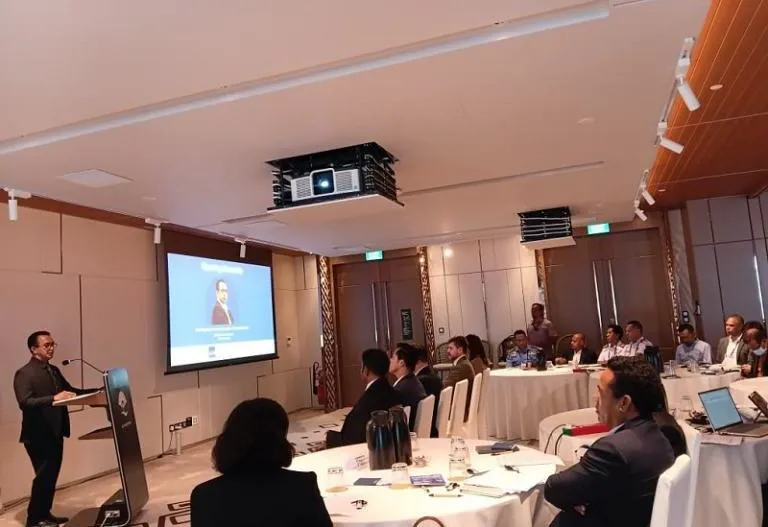
Timor-Leste wants its national institutions to work more closely to uncover money laundering through trade, Justice Minister Sérgio Hornai said at a workshop in Dili. Proposed measures include national guidelines and better procedures for reporting suspicious transactions.
The two-day workshop, ending on October 21, was organised jointly by the Asian Development Bank (ADB) and the United Nations Office on Drugs and Crime (UNODC). Participants include customs officials, criminal investigators, prosecutors, banks and private-sector representatives.
Hornai said criminals disguise illicit funds through apparently legitimate commerce, using methods such as false invoices, distorted goods prices and altered trade documents. Detection is difficult because banks, customs, investigators and judicial bodies hold different pieces of information, he said.
He urged agencies monitoring financial transactions and cross-border goods movements to share information more effectively. The planned guidelines and reporting improvements should reflect Timor-Leste’s institutional circumstances and help turn suspicious activity findings into action, he added.
ADB country director Artur Andrysiak said the workshop formed part of a regional programme with UNODC to improve Southeast Asian institutions’ ability to tackle money laundering. He called for coordination between public bodies and businesses.
Woody Tan, who heads UNODC’s Global Programme against Money Laundering, said controls should help authorities spot high-risk transactions without imposing unnecessary obstacles on legitimate trade. Participants are examining emerging laundering methods, discussing practical cases and exploring closer institutional cooperation.