Rupiah support goes beyond market intervention, governor says
Bank Indonesia is using hedging incentives alongside intervention, while interest rates and rupiah securities remain policy options.
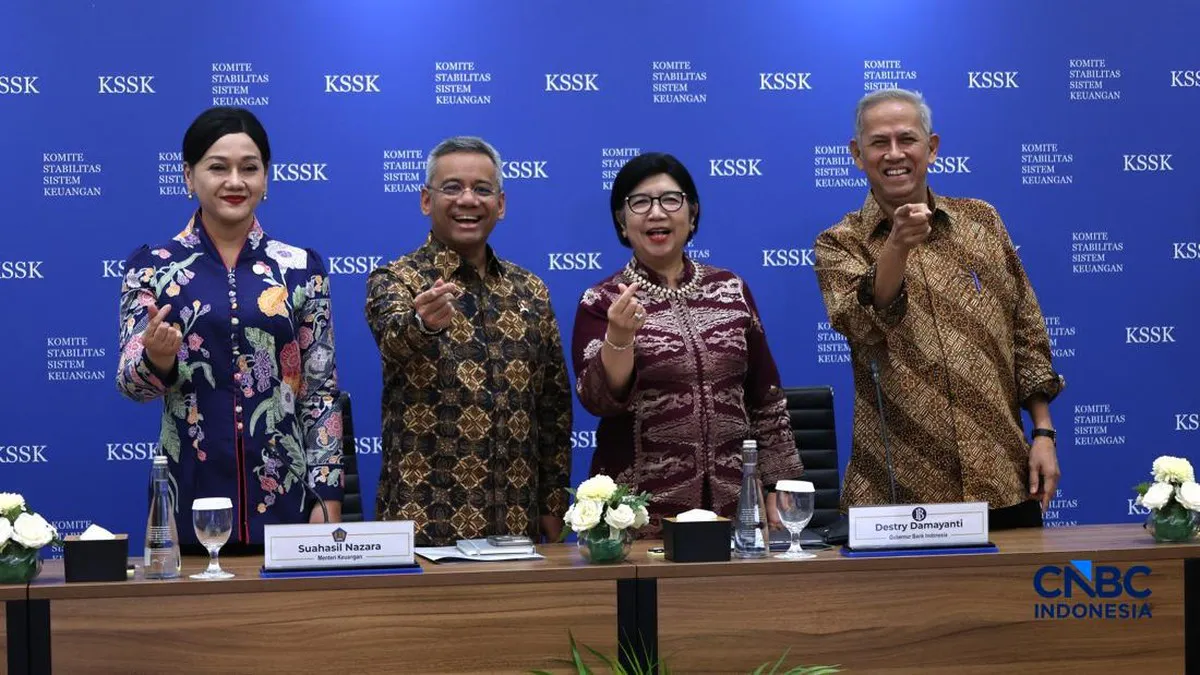
Bank Indonesia has several ways to support the rupiah beyond intervening in currency markets, governor Destry Damayanti said on 3 November 2026, as the currency remained under pressure against the US dollar.
Speaking in Jakarta after a regular Financial System Stability Committee meeting, Destry put the exchange rate at Rp18,145 per US dollar on 2 November 2026, compared with Rp17,870 at the end of September 2026. She attributed the pressure to global and domestic economic developments, as well as sentiment.
Destry said the central bank had expanded premium-reduction incentives intended to attract foreign portfolio flows. Its hedging measures cover portfolio investment, banks’ foreign borrowing and foreign direct investment through domestic non-deliverable forwards and conventional buy swaps.
For conventional buy-swap hedging with Bank Indonesia, premium reductions are 15 per cent for three-month transactions, 20 per cent for six months and 25 per cent for 12 months. The bank is also continuing incentives for local-currency transactions with partner countries to diversify foreign-exchange transactions.
Other available tools include setting the BI Rate and adjusting issuance of Bank Indonesia rupiah securities, Destry said. She nevertheless described intervention as effective and said the bank would continue using spot transactions, domestic non-deliverable forwards and offshore non-deliverable forwards to maintain market stability when sudden shifts in sentiment distort the rupiah’s value.