Philippines removes mandatory import pre-clearance for selected goods
Customs says the change could cut cargo processing by around 3-5 days, while port checks and legally required permits remain in place.
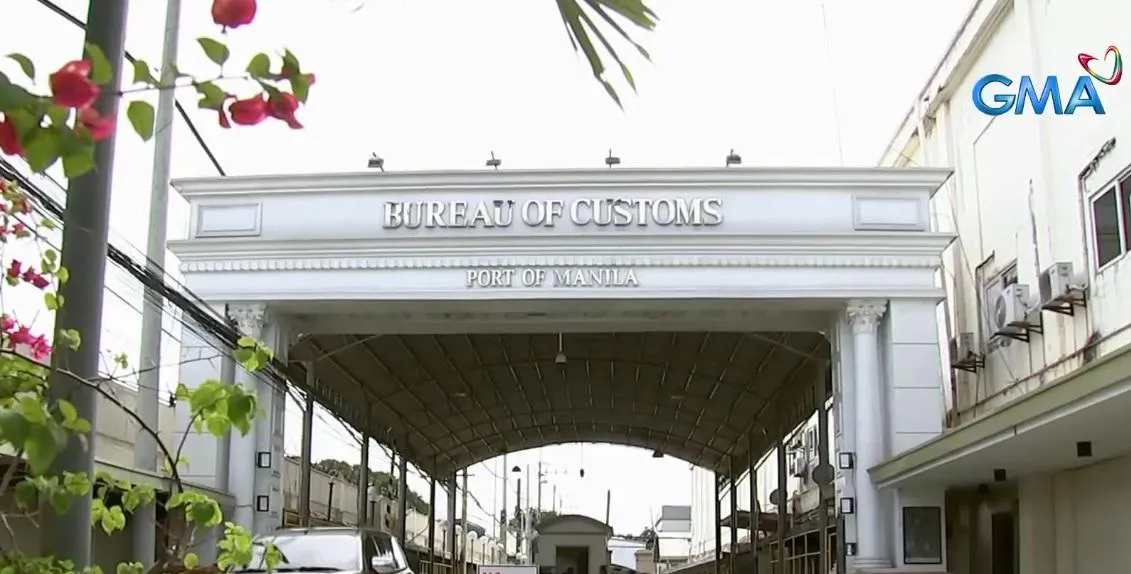
The Philippines’ Bureau of Customs (BOC) has removed a requirement for selected imports, including vehicles, rice and steel, to obtain prior clearance from its Imports Assessment Service (IAS). The bureau said the memorandum aims to accelerate cargo release.
Customs Commissioner Charlito Mendoza said the reform could shorten processing by around 3-5 days for importers and lower logistics costs.
OCOM Memorandum Order No. 124-2026 covers automobiles, other motor vehicles, heavy equipment, other machinery, new and used buses, and new trucks. Ships, boats, other floating structures, iron and steel shipped in bulk or break-bulk form, bulk rice and resin are also covered.
Port officers will still check goods descriptions, tariff classifications and customs values, and establish the duties and taxes payable. Shipments with specific risk indicators or material discrepancies may be referred to the IAS for specialised review.
Cargo may be released after assessment and compliance with all applicable requirements, the bureau said. Legally mandated permits, clearances, inspections and other regulatory obligations remain unchanged.
The IAS must also track import trends, identify valuation discrepancies and flag transactions for verification. Mendoza said reference values and historical import data would serve only to assess risk and verify declarations, rather than set minimum or replacement customs values.