Liew calls for higher ASEAN incomes to curb dependence on US consumers
The deputy finance minister also urged Malaysia to develop its own technology and improve financing for technology companies.
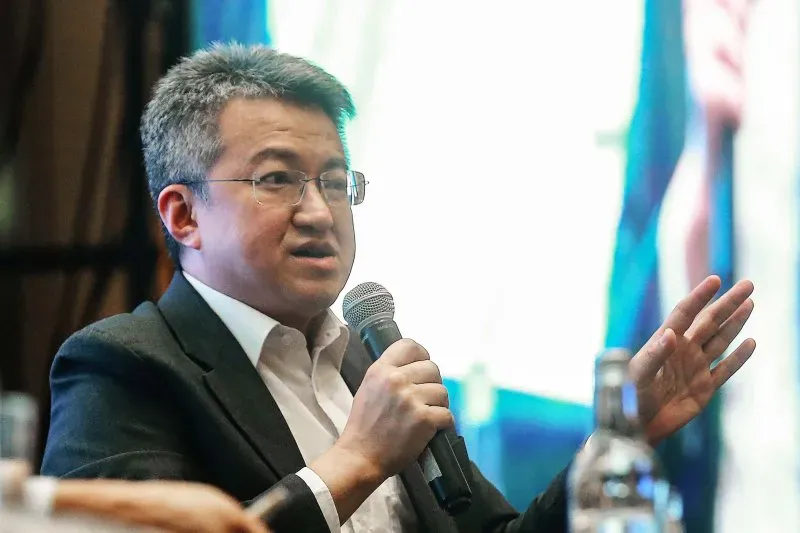
Malaysia should work alongside its ASEAN neighbours to expand their middle classes and lift purchasing power, Deputy Finance Minister Liew Chin Tong said on November 26. He argued that stronger consumer demand within the region would reduce reliance on the US market.
Addressing reporters after opening the Malaysian Institute of Economic Research’s National Economic Outlook Conference 2026, Liew linked sustained growth to better pay and businesses with room to expand as production capacity increased globally.
His comments followed a US proposal for tariffs reaching 18 per cent on Malaysian goods, citing industrial policies and excess manufacturing capacity. The proposed duties fall under Section 301 of the US Trade Act.
On technology, Liew said Malaysia needed to own more of what it develops rather than focus primarily on trading. As companies diversify production beyond China, he advocated an indispensable intermediary role for Malaysia in technology supply chains, highlighting the semiconductor positions of Malaysia, Singapore and Vietnam.
He also sought closer cooperation between semiconductor and defence businesses to encourage practical innovation. Banks needed greater expertise in assessing technology risks and funding companies in the sector, he said.
Liew contrasted the electrical and electronics sector’s contribution of about 40 per cent of Malaysian exports with the limited representation of technology stocks on Bursa Malaysia. He called for more mid-sized businesses capable of creating proprietary technology and expanding operations.