Philippine mining groups challenge new resource contract rules
Two industry associations say asset handover requirements and bidding provisions could increase investment risks and disadvantage existing operators.
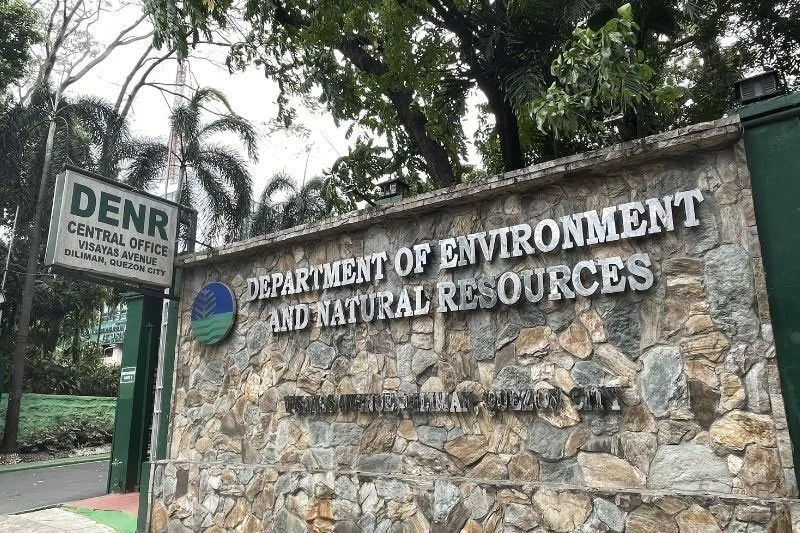
Two Philippine mining associations have challenged a government framework for assessing and awarding natural resource contracts, saying it could make regulation less predictable and put investment at risk.
The Chamber of Mines of the Philippines (COMP) and the Philippine Nickel Industry Association (PNIA) outlined their objections in a joint statement on Joint Administrative Order (JAO) 2026-01, issued by the Department of Energy (DOE) and the Department of Environment and Natural Resources (DENR).
Among the provisions they questioned were requirements to hand over operational assets when contracts expire, alongside bidding arrangements they said could place existing operators at a disadvantage. They also argued that the assessment criteria were biased against demonstrated technical capabilities, operating records and environmental performance.
The associations warned that uncertainty could raise costs associated with project financing and asset valuations, undermining efforts to draw investors and President Ferdinand Marcos Jr.’s agenda to make doing business easier.
They asked the government to keep the framework aligned with existing legislation and contractual rights, ensure transparent and fair competition, and encourage long-term investment. COMP and PNIA said they remained committed to further discussions with the DOE and DENR on achieving the government’s policy goals.