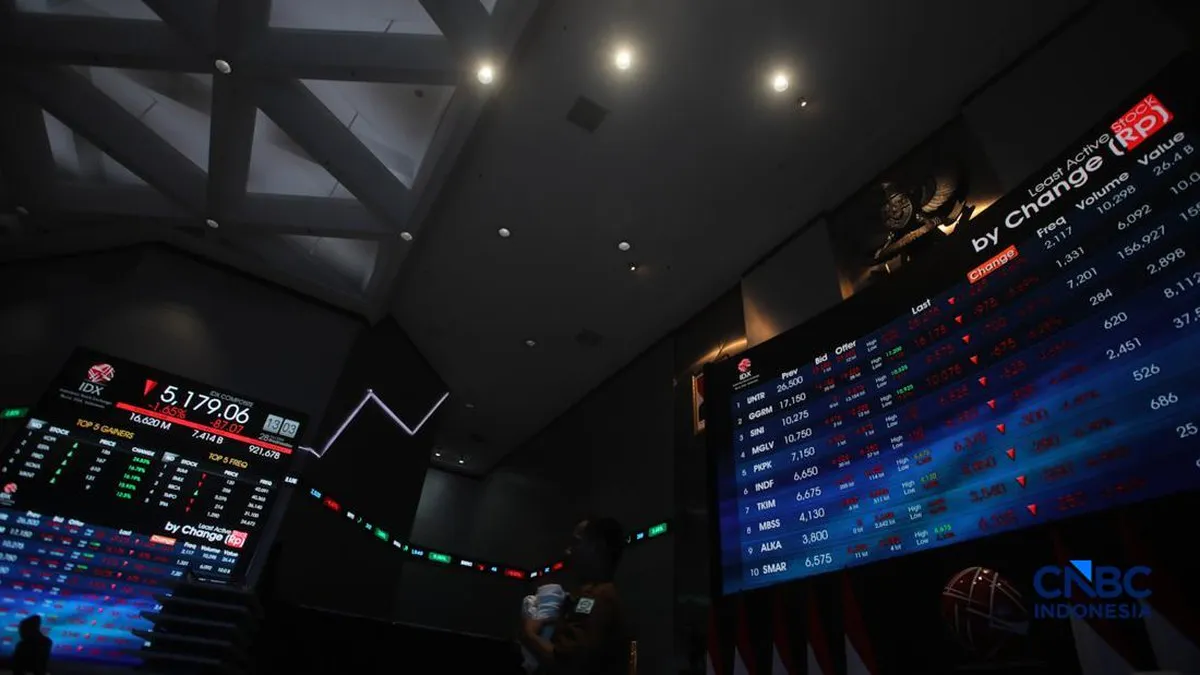
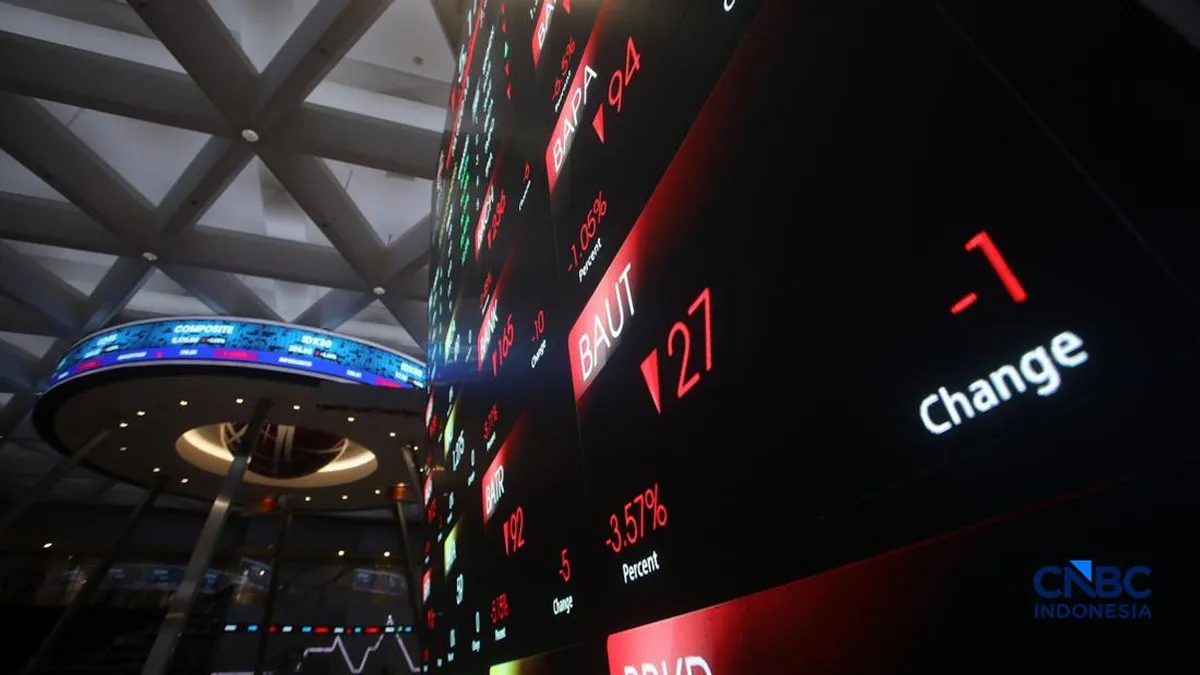
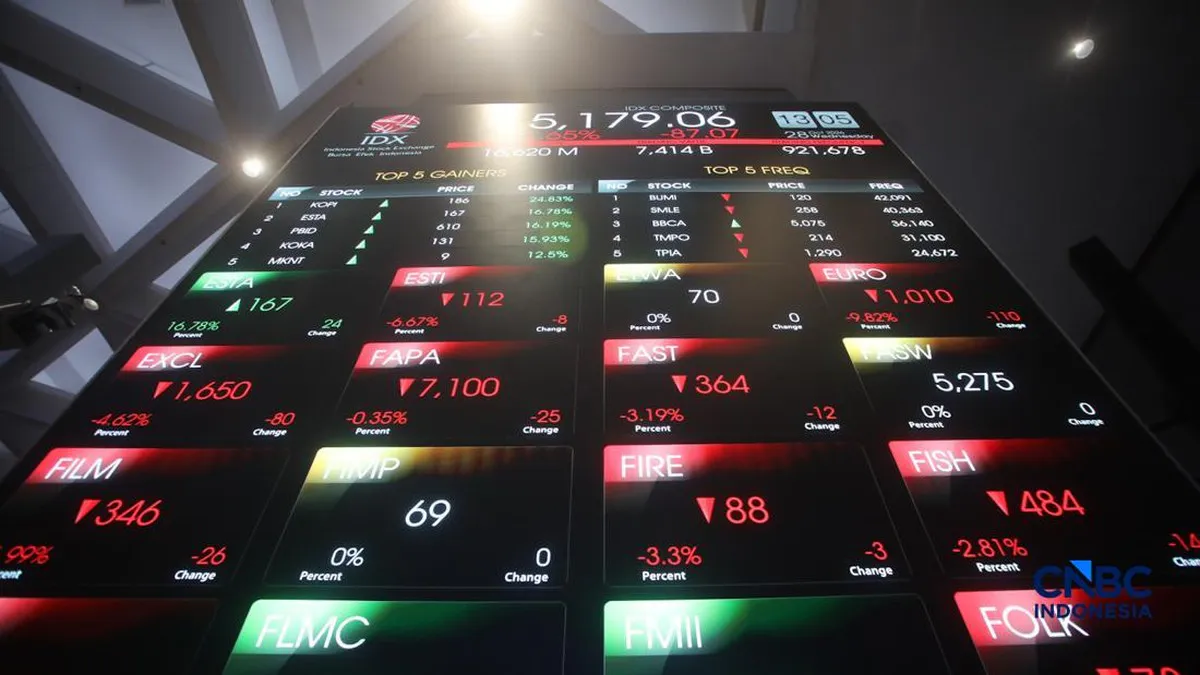
Indonesia’s IHSG falls 7.48% as foreign selling and MSCI concerns weigh
Foreign investors sold a net Rp1.52 trillion on the regular market on 29 October, with banking shares among those under pressure.

Indonesia’s benchmark stock index, the IHSG, accumulated a 7.48% decline during the week, with analysts pointing to foreign outflows, uncertainty over an MSCI assessment and concerns about US interest rates.
Speaking to CNBC Indonesia on 30 October 2026, capital market observer Elandry Pratama said domestic pressures persisted despite the Federal Reserve’s decision to leave rates unchanged, which he viewed as relatively positive for global markets.
Elandry identified MSCI’s scrutiny of shareholding transparency and the Indonesian market’s investability as a key uncertainty. He said some foreign investors were holding back from committing funds. Foreign net selling on the regular market totalled about Rp1.52 trillion on 29 October, with large banking stocks BBCA, BBRI and BMRI also facing selling pressure.
Solstice Indonesia managing director Handiman said investors were concerned about the risk of MSCI moving Indonesia from emerging-market status to a standalone classification. He also cited the rupiah’s slide to Rp18,185 per US dollar as an additional risk for foreign holders of Indonesian assets.
Handiman said higher bond yields were adding to the pressure. US Treasury yields had reached 5.042%, reducing the appeal of emerging-market assets, while Indonesian government bond yields of around 7.6% were making domestic equities less competitive.
He also pointed to divisions within the Fed, where two officials supported a 25-basis-point increase despite the decision to hold rates. Elandry said IHSG volatility was likely to remain elevated until foreign funds returned and investor confidence recovered.