Indonesia urges businesses to widen sources of industrial imports
Trade Minister Budi Santoso warned that relying on a small number of suppliers could give them greater bargaining power.
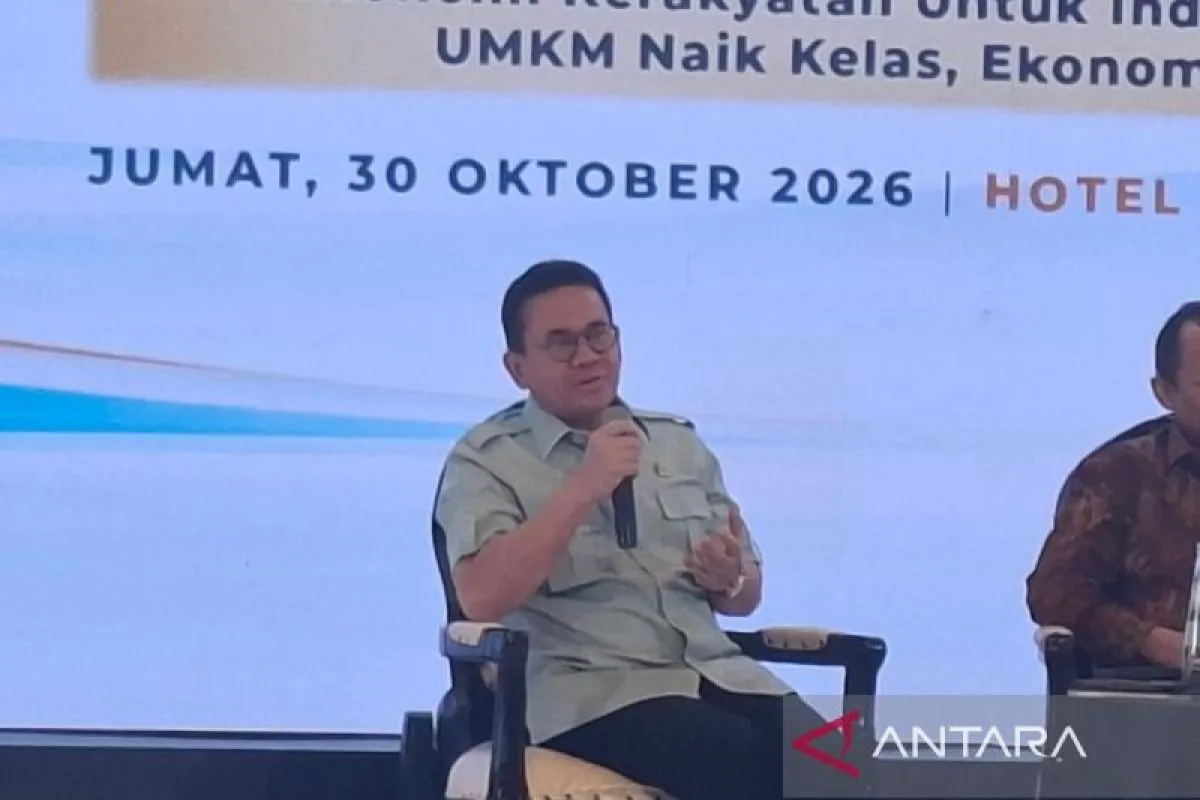
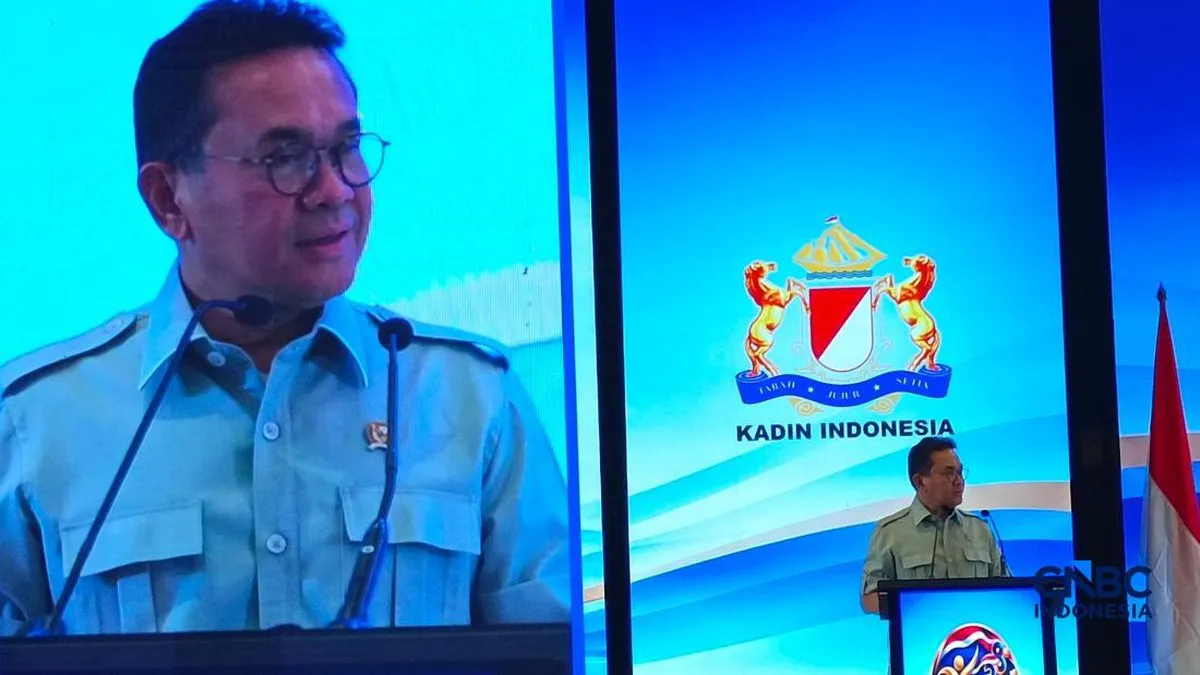
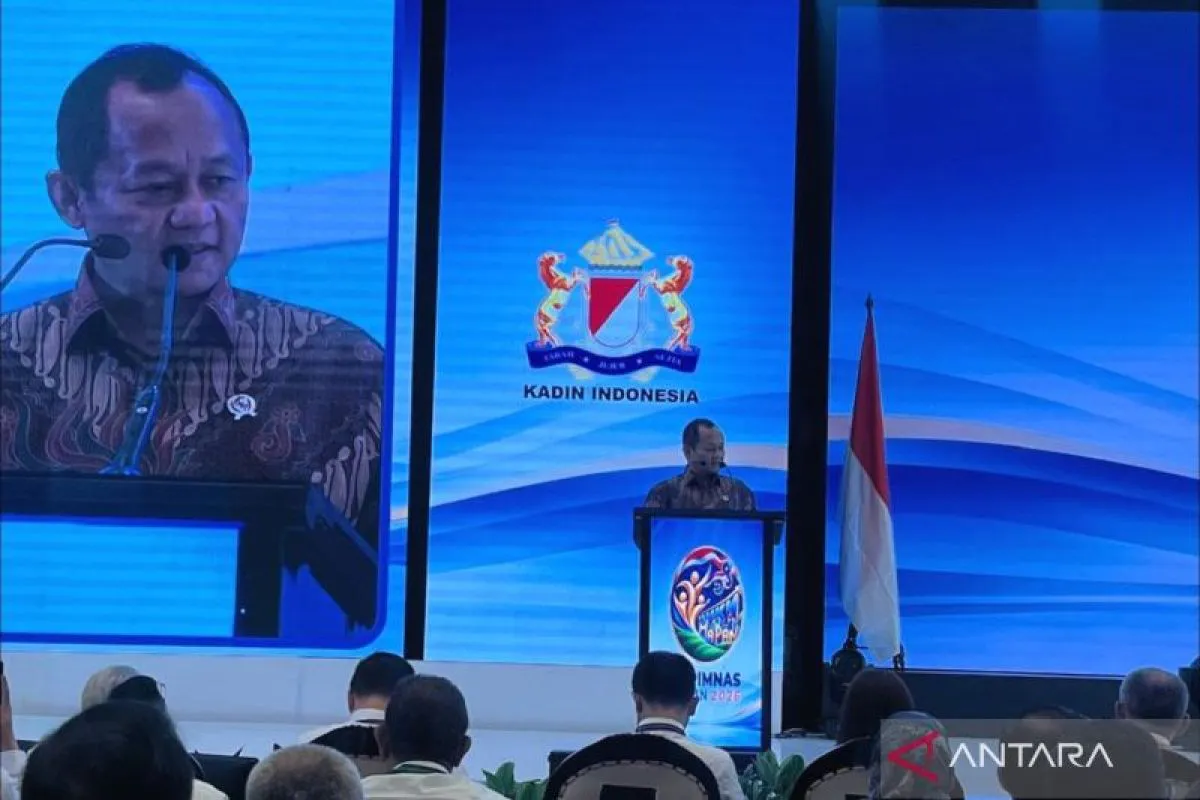
Indonesian Trade Minister Budi Santoso has called on businesses to source raw materials and capital goods from more countries, saying dependence on just one or two suppliers could strengthen those suppliers’ bargaining position.
Speaking in Jakarta, Santoso said raw materials and capital goods represented 91 per cent of Indonesia’s imports, compared with 8.7 per cent for consumer goods. He said the composition reflected continued industrial growth. The government aims to support industry through the domestic market while using overseas markets to expand export capacity.
Manufacturing contributes 82 per cent of Indonesia’s exports, according to Statistics Indonesia (BPS). Mining, oil and gas, and agriculture account for the rest.
Santoso had previously linked higher capital goods imports in May 2026 to stronger production activity and capacity. Trade Ministry figures showed those imports rose 21.12 per cent month on month, compared with 6.33 per cent in April 2026. Total imports in May were US$24.81 billion, down 1.59 per cent from April but up 22.16 per cent from May 2025.
For January-May 2026, imports reached US$111.33 billion, a 15.24 per cent increase from the corresponding period a year earlier. Oil and gas imports rose 27.89 per cent, while non-oil and gas imports increased 13.16 per cent. China, Japan and Australia remained the leading sources of non-oil and gas imports, together accounting for 52.68 per cent.