Indonesia targets Rp150 trillion in savings through health economic zones
The government is easing doctors’ practice permits as it seeks to shift spending on overseas medical treatment to domestic facilities.
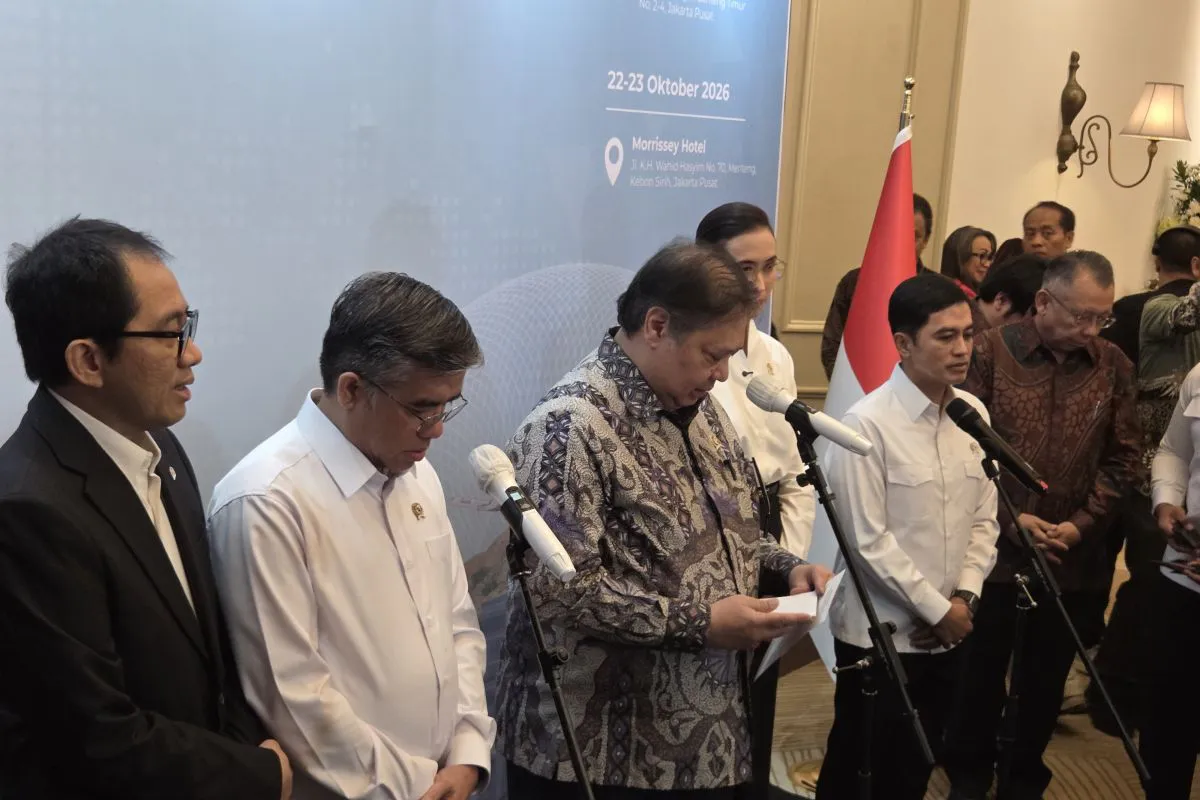
Indonesia aims to save up to Rp150 trillion in foreign exchange by developing health-sector special economic zones, Coordinating Minister for Economic Affairs Airlangga Hartarto said at a government coordination meeting in Jakarta. The initiative seeks to persuade Indonesians to choose domestic medical care by improving facilities within the zones.
The savings estimate assumes 2 million patients spending an average of Rp75 million each. Hartarto said redirecting that expenditure towards Indonesian healthcare providers could reduce foreign exchange outflows.
Around 2 million Indonesians seek treatment overseas annually, mainly in Singapore and Malaysia, with estimated foreign exchange outflows of Rp200 trillion. Hartarto said health-zone development was important to curbing that spending abroad.
Three zones currently operate in the sector: the Sanur SEZ; the Banten International Education, Technology and Health SEZ; and the Batam International Health Tourism SEZ.
Deputy Minister of Health Dante Saksono Harbuwono said the government was simplifying the issuance of Practice Permits (SIP) for both Indonesian and foreign doctors. He said allowing foreign doctors to practise in the zones would enable them to share expertise with Indonesian colleagues.
The government has also established rules supporting stem cell-based diagnostic centres and regenerative services in health SEZs. It plans to accelerate revisions to the Minister of Health Regulation to set out mechanisms, facilities and incentives for developing the zones.