Indonesia seeks more sago processing to support food self-sufficiency
Industry Minister Muhammad Sarmuji identified food, bio-packaging and bioethanol as potential uses, alongside products made from processing waste.
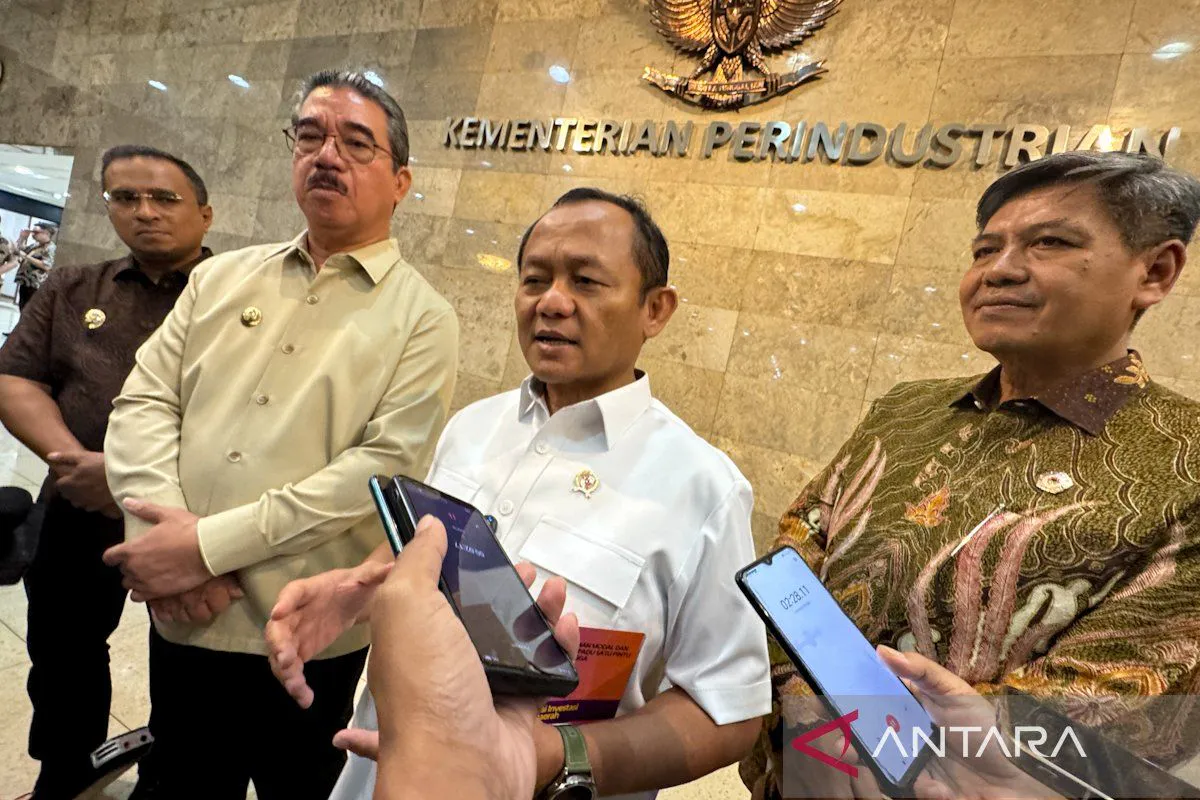
Indonesia’s Industry Minister Muhammad Sarmuji has urged the country’s sago industry to expand processing into higher-value products, saying this could attract investment and broaden food choices as Indonesia pursues food self-sufficiency.
Speaking at the Sago Business Forum 2026 in Jakarta, Sarmuji said development should extend beyond producing more raw materials. He identified noodles, analog rice, pasta and biscuits as possible sago-based foods, alongside non-food applications such as bio-packaging and bioethanol.
The minister described sago as an indigenous Indonesian plant whose high starch content makes it an alternative source of carbohydrates. He said it is naturally gluten-free and that consumer demand is growing.
Sarmuji also called for processing residues to be put to use. Both liquid and solid waste could be repurposed, he said, including for animal feed and biogas, helping the industry limit waste and support a circular economy.
He said Indonesia has the world’s largest sago resources. East Seram, the Meranti Islands, Nias and the Mentawai Islands were identified as areas with potential to become hubs for processing locally produced commodities.
Sarmuji said national food security should draw on alternatives rather than depend only on rice. He expressed hope that research, expanded processing and new products would make sago a viable choice for consumers while supporting food sovereignty and the economy.