Cambodia considers easing taxes on textile waste transfers
A proposed mechanism would help garment factories send cuttings to recyclers, but it has not yet been approved or implemented.
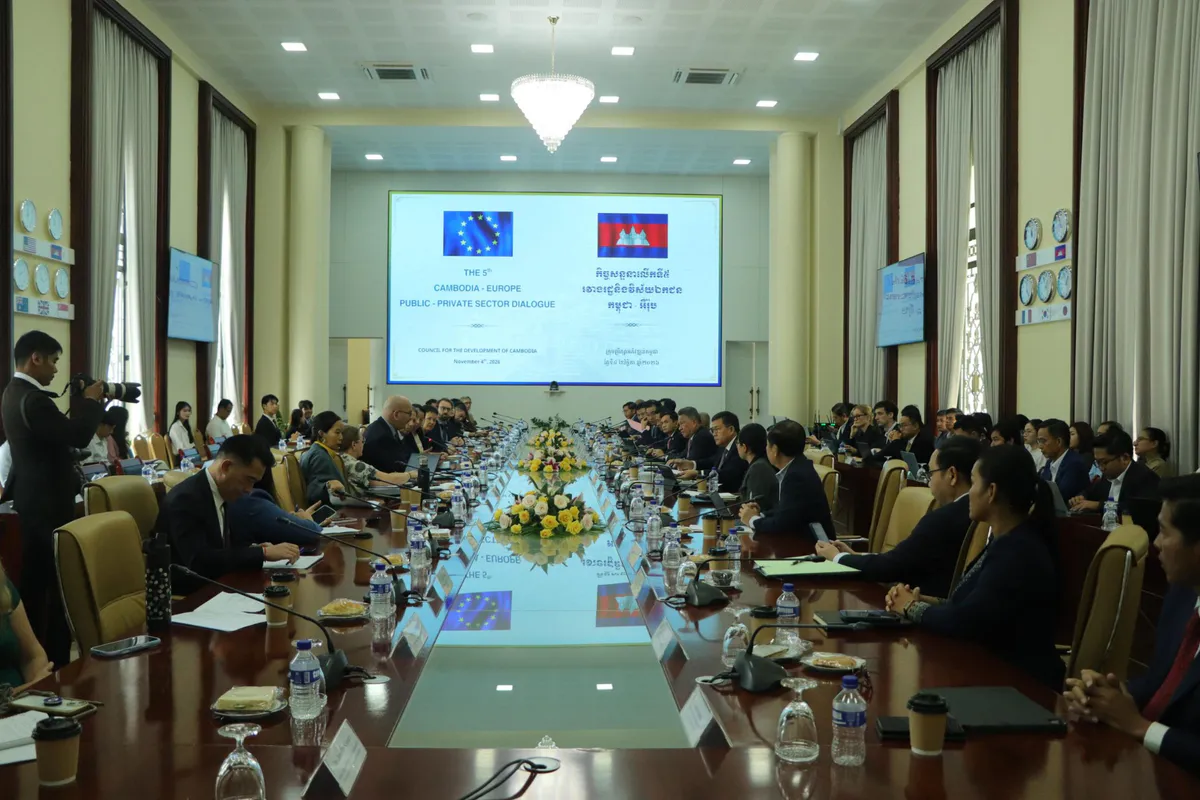
Cambodia is examining a mechanism to let garment factories send textile waste to recyclers without additional tax barriers, according to EuroCham Cambodia. The proposal has been referred to Prime Minister Hun Manet for consideration.
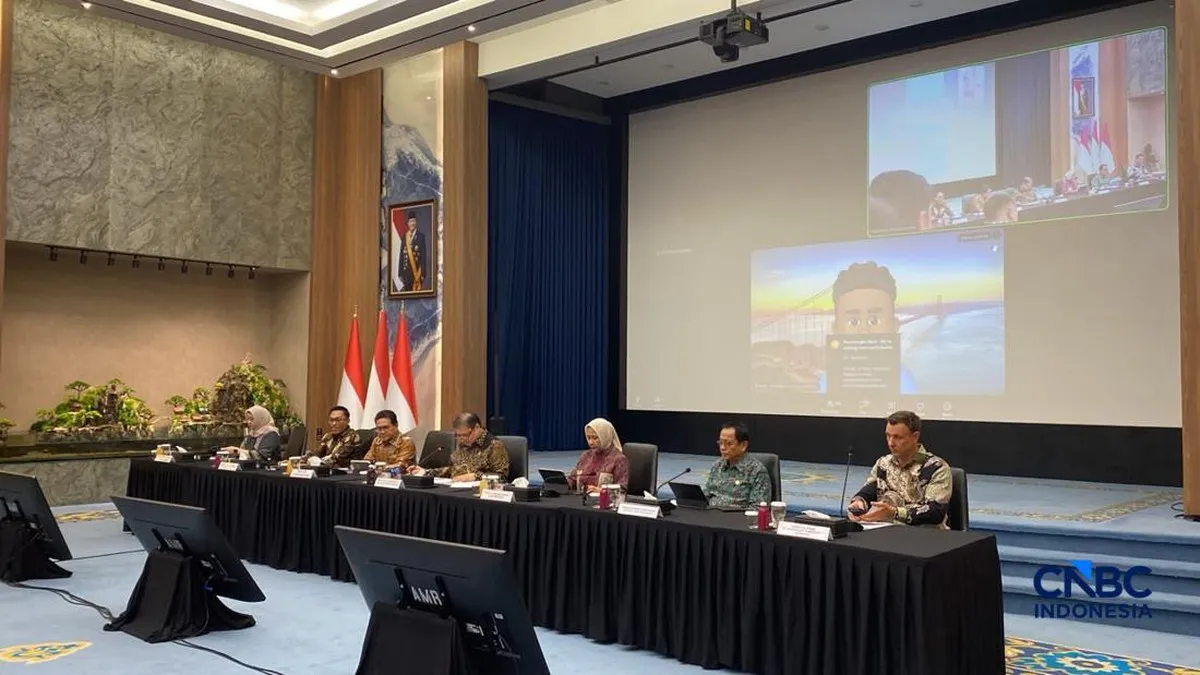
EuroCham reported progress at the fifth Cambodia-Europe Public-Private Sector Dialogue in Phnom Penh on November 4. It jointly convened the meeting with the Council for the Development of Cambodia (CDC), which confirmed that a mechanism for transferring materials could facilitate deliveries of textile cuttings to recycling facilities.
Existing rules impose value-added tax and import duties when factories transfer the cuttings to recyclers, EuroCham said. The chamber described those charges as a financial obstacle to recycling garment-industry waste. The proposed procedure remains under review, rather than being an implemented measure.
EuroCham has worked with German development agency GIZ and the Textile, Apparel, Footwear and Travel Goods Association in Cambodia (TAFTAC) on a proposed pilot programme and recommendations for digital reporting. Massimileano Tropeano, who chairs EuroCham’s Garment & Textile Committee, said the cooperation aimed to prepare manufacturers for sustainability requirements in export markets, including the EU.
The dialogue also addressed customs charges, medicine registration, vehicle tariffs and environmental assessments. EuroCham presented findings suggesting that businesses’ customs costs were about twice the regional average, with private brokers determining charges beyond official public service fees.
The CDC committed to convening relevant government bodies to review recommendations for lower compliance costs and better coordination, including closer links between government portals and fewer repeated document requests.