Bank Indonesia’s expanded mandate covers real-sector growth and jobs
Governor Destry Damayanti says stability remains the priority as the central bank takes on broader responsibilities under legislation issued in 2026.
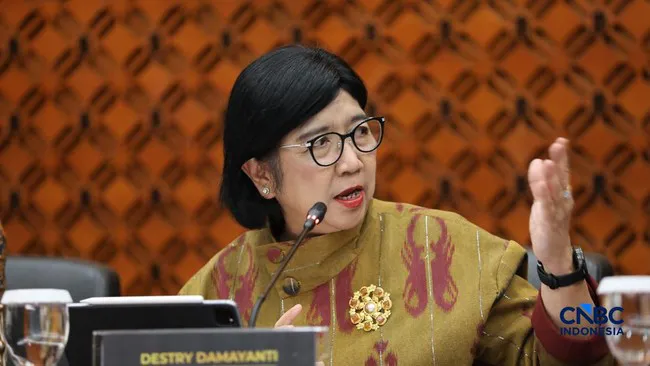
Bank Indonesia must help create economic conditions conducive to real-sector growth and job creation under its expanded mandate, Governor Destry Damayanti told business representatives. She said legislation issued in 2026 added those responsibilities to the central bank’s existing duties.
Destry said stability would remain the bank’s first consideration. It would then weigh how other tools, including macroprudential and payment-system policies, could support growth. She described balancing those objectives as a challenge for the institution.
The mandate had already broadened under the 2023 Financial Sector Development and Strengthening Law, known as P2SK, she said. That law tasked BI with maintaining rupiah and payment-system stability, while working with other authorities on financial-system stability to support sustainable economic growth.
Destry said those responsibilities meant BI had to consider whether its policies encouraged growth, rather than focusing solely on exchange-rate and inflation targets. She also said the president had invited BI and the economic team to meetings several times to better understand the needs of the real sector.