Bank Indonesia mandate expands to support growth and job creation
The central bank's expanded remit is set out in Law No. 4 of 2026, with coordination and inclusive policies among the approaches outlined by Destry.
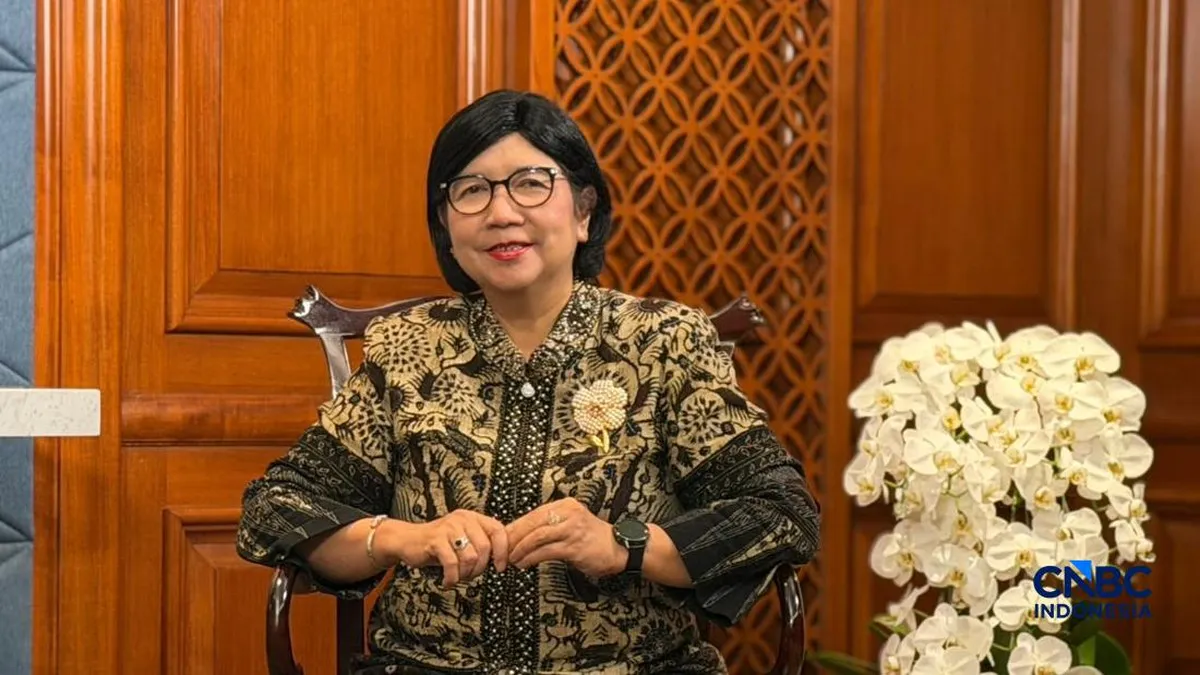
Bank Indonesia is now required to foster economic conditions that support real-sector growth and employment under Law No. 4 of 2026 on Financial Sector Development and Strengthening. Destry outlined the broader mandate in remarks to CNBC Indonesia cited on 12 October 2026.
Destry said the central bank could not fulfil that responsibility alone. The approach, called Sinergi Merah Putih, involves cooperation with ministries, other agencies, members of the Financial System Stability Committee (KSSK) and other stakeholders. Destry described Indonesia's development and stability as shared responsibilities.
Inclusive policies are another part of the effort to support growth and jobs, Destry said, citing the Quick Response Code Indonesian Standard (QRIS). Micro, small and medium-sized enterprises account for 96 per cent of QRIS merchants, according to Destry.
Destry also pointed to cooperation with the Ministry of Housing and Settlement Areas through a Rp118 trillion housing-sector incentive scheme, saying it could generate hundreds of thousands of direct jobs. Destry cited Housing Minister Ara's estimate that building a small house could require four workers, adding that property construction could also create indirect employment, although measuring that impact in detail would take time.