Audit flags payment risks at 198 Indonesian local governments
The audit found that 36.26 per cent of local governments had budget financing surpluses below their short-term obligations.
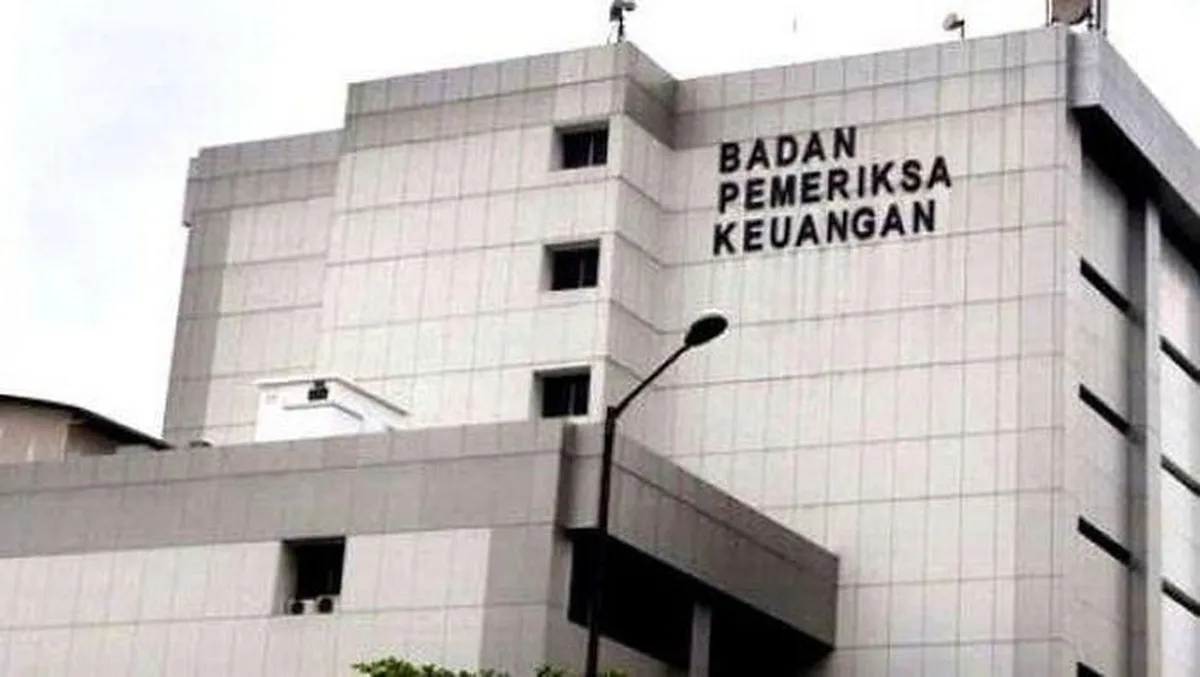
Indonesia’s Audit Board (BPK) has identified budget management problems at 198 local governments that could hamper their ability to meet short-term obligations. Its audit summary for the first half of 2026 found their remaining budget financing surpluses, known as SiLPA, were smaller than those obligations.
The affected administrations represented 36.26 per cent of local governments. BPK said the findings should serve as an early warning of potential financial difficulties in paying debts to third parties.
The board cited inadequate cash management, the use of earmarked funds for routine expenditure and weaknesses in financial management at regional public hospitals and regional public service agencies. It said these problems could obstruct national priority programmes and disrupt healthcare services.
Unrealistic revenue targets also led to spending beyond local fiscal capacity, BPK said. The weaknesses increased risks to development funding and the continuity of public services, while late payments to third parties could expose local governments to lawsuits.
BPK recommended that the relevant regional heads prioritise outstanding expenditure obligations in the following year’s regional budgets and rationalise budget preparation. It also called for stronger cash management, including checks that funds are actually available before issuing fund provision authorisations, to prevent payment failures from recurring.