Vietnam
Vietnam public investment spending reaches 74.1% of annual allocation
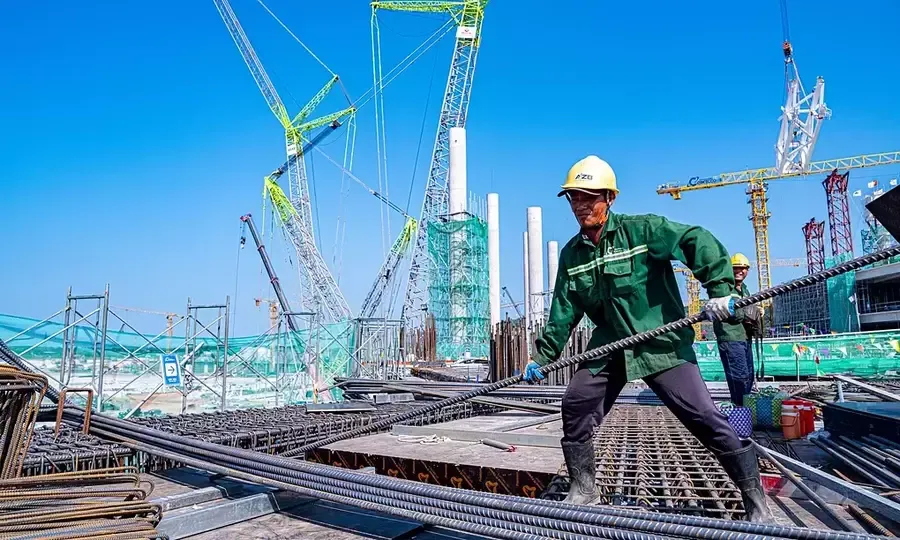
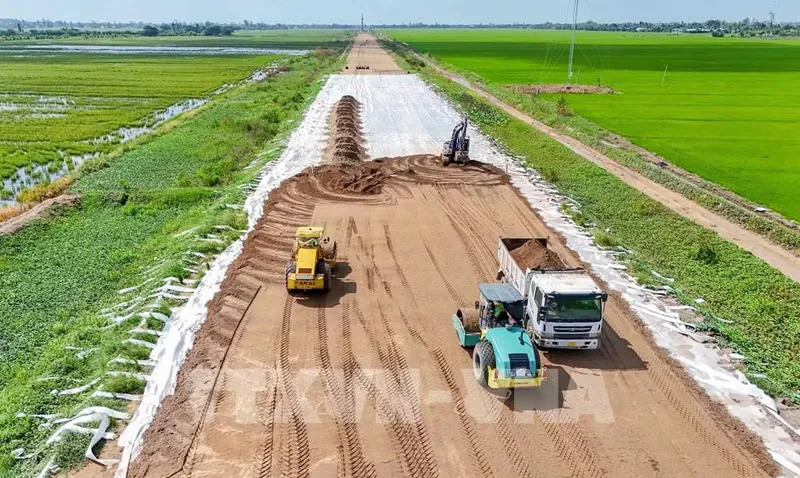
Disbursement rose by 19.7 percentage points from a year earlier, but the Ministry of Finance reported uneven progress across agencies and localities.
Economy stories about Vietnam. Growth, prices, jobs, central banks and budgets.
Page 3 of 8
Disbursement rose by 19.7 percentage points from a year earlier, but the Ministry of Finance reported uneven progress across agencies and localities.
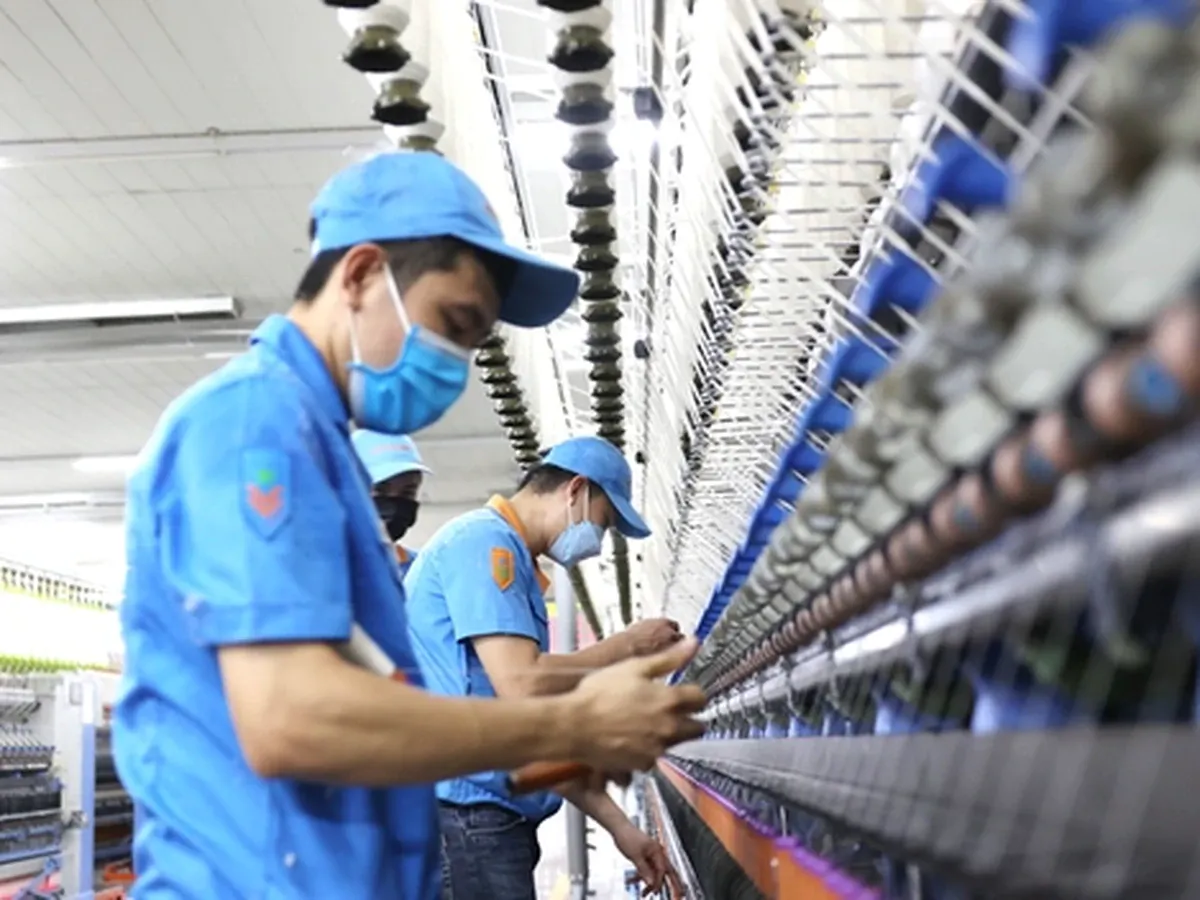
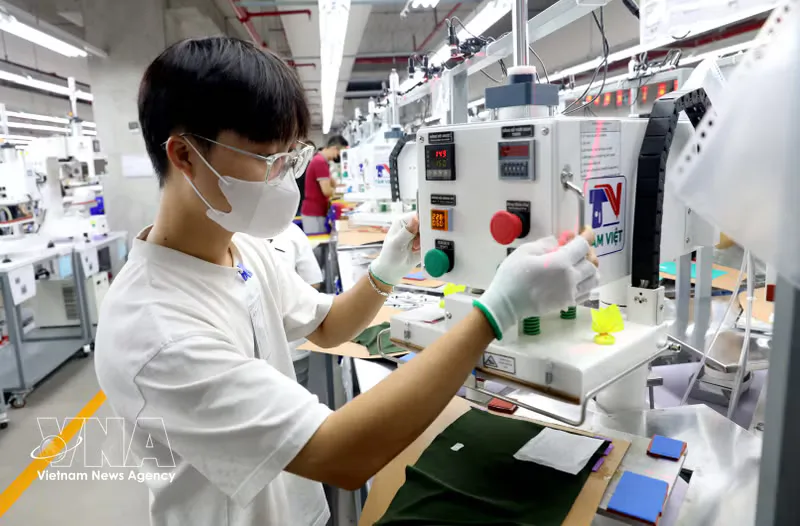
Estimated FDI disbursements rose 13.1 per cent to US$24.08 billion in January–October, the highest level for that period in five years.
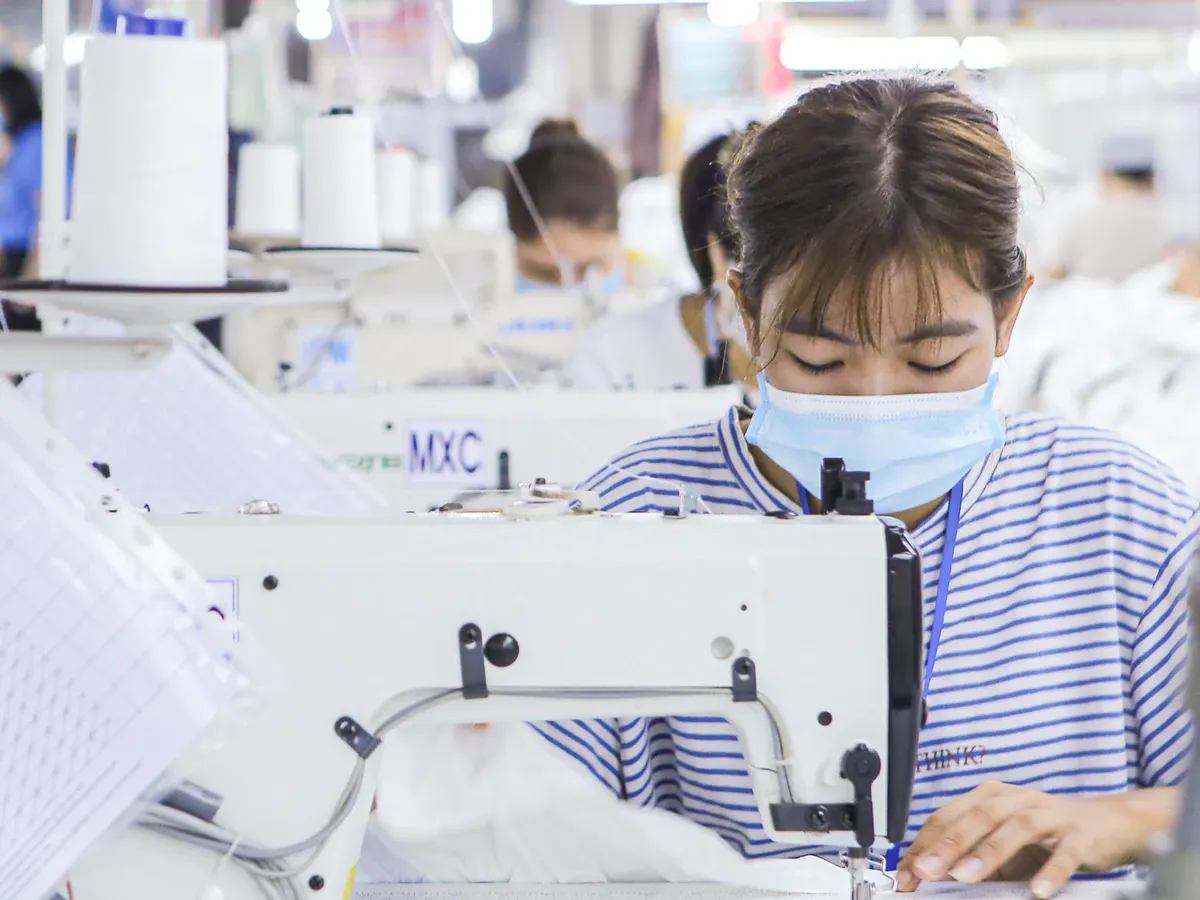
The decree raises both monthly and hourly pay floors while prohibiting employers from reducing existing benefits.
October consumer prices increased 0.2% from September and 5.09% year-on-year, with domestic fuel costs driving the monthly rise.
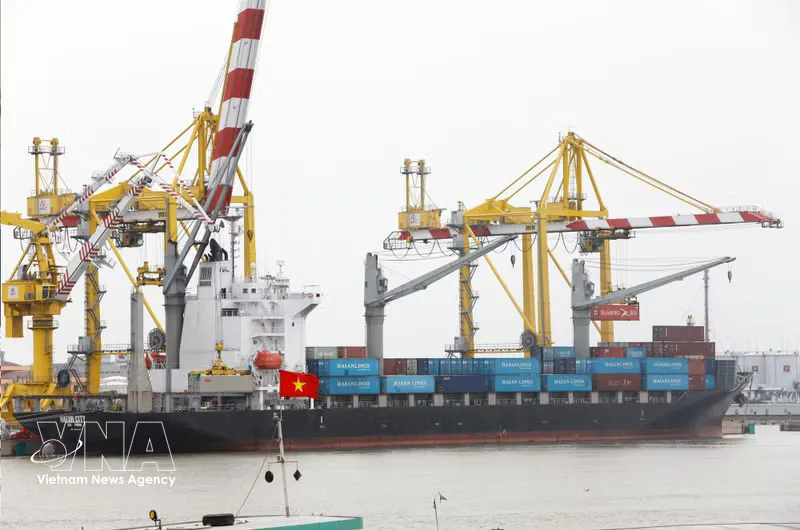
October brought a US$6.8 billion trade surplus, but Vietnam still had a deficit of around US$12.7 billion for January–October.
FDI disbursements reached an estimated US$24.08 billion in the first 10 months of 2026, the highest comparable figure in five years.
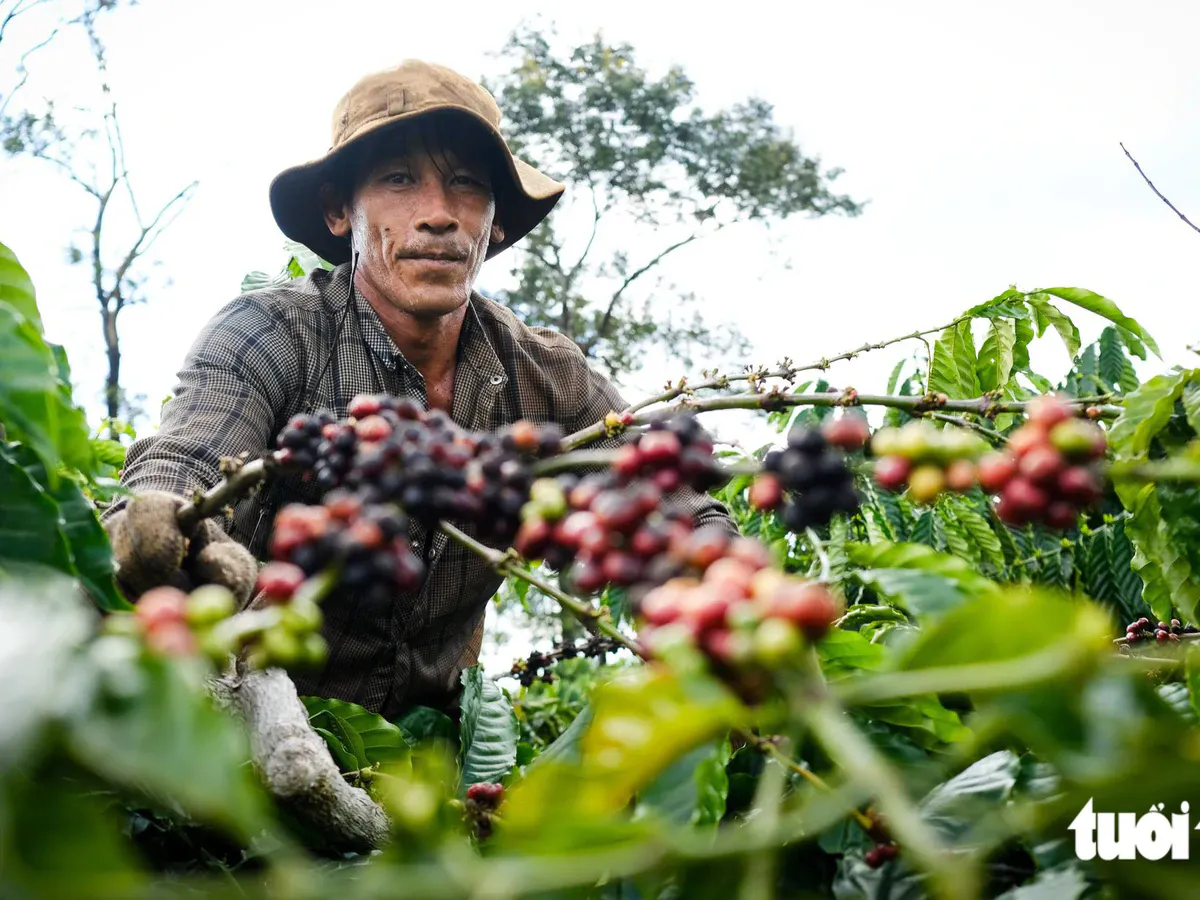
Growers report smaller beans and falling harvests, while a coffee exporter warns of supply shortages and higher procurement costs.
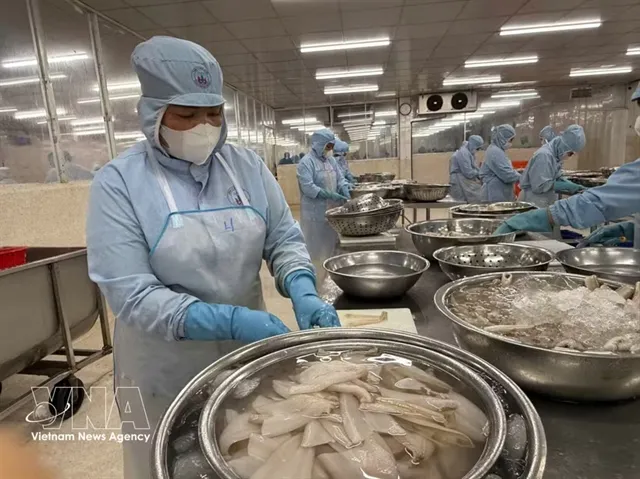
The industry is pursuing a record US$12 billion for the year, while facing price competition, traceability requirements and compliance costs.
Speakers at the 2026 Autumn Economic Forum urged more efficient investment and higher productivity to support double-digit economic growth.
Le Minh Hung said debt at around 34% of GDP gives Vietnam room to cushion economic shocks and finance development.