Indonesia
Indonesia’s budget deficit reaches 1.47 per cent of GDP at end-October
Revenue rose 23.9 per cent year on year, while the primary balance posted a Rp114.8 trillion surplus.
Economy stories about Indonesia. Growth, prices, jobs, central banks and budgets.
Page 4 of 24
Revenue rose 23.9 per cent year on year, while the primary balance posted a Rp114.8 trillion surplus.
The revised ceiling is Rp726.2 trillion, with extra funding covering disaster response in Sumatra and non-disaster needs in several regions.
Net debt financing totalled Rp629.3 trillion through October 2026, including Rp43.2 trillion in loans.
The minister's assessment depends on world oil prices staying around US$92–93 per barrel and the rupiah holding at its current level.
Four provinces recorded average annual growth of 18.21 per cent in real terms between 2021 and 2025, against 5.17 per cent nationally.
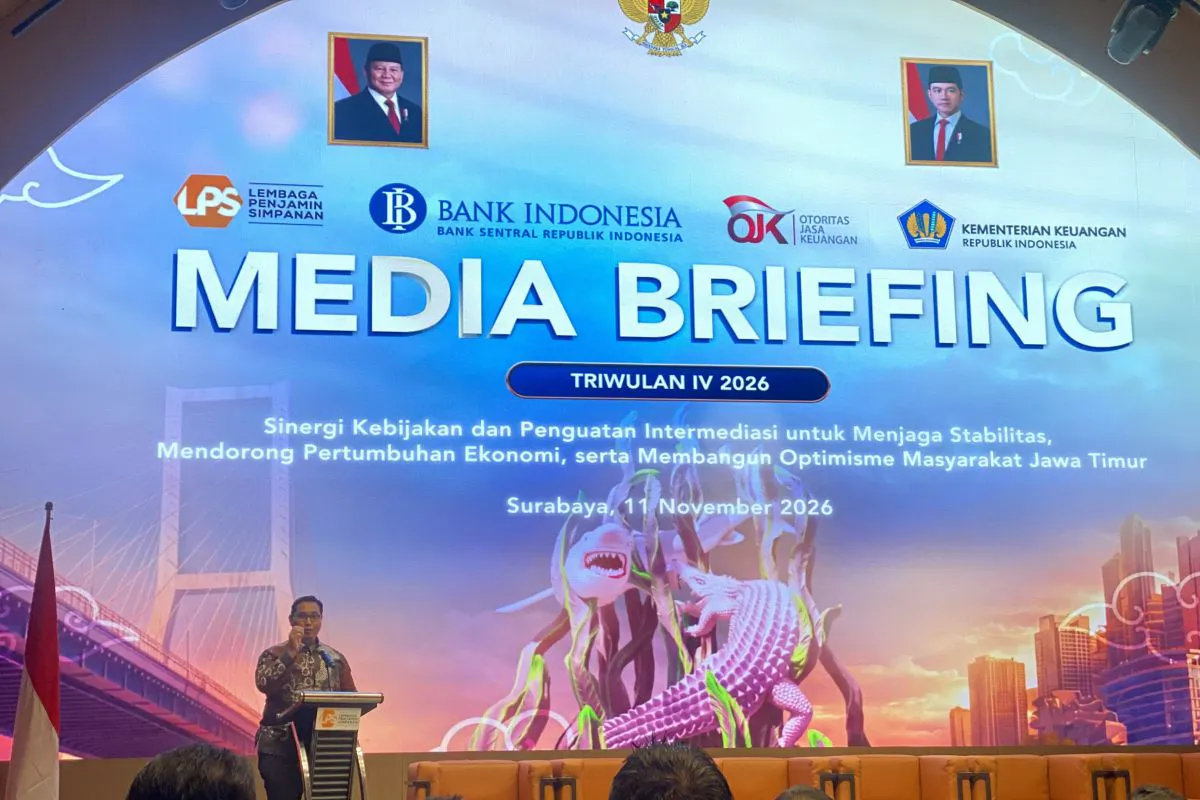
Bank Indonesia is intervening in offshore and domestic currency markets, while also buying government securities to support financial stability.
The e-Conomy SEA 2026 report expects Indonesia’s wider digital economy to reach US$119 billion in gross merchandise value, up 16 per cent.
The KUR scheme has the largest allocation at Rp325 trillion, with separate funding for housing, agriculture and other borrowers.
KSSK says fiscal support has protected purchasing power while the government has kept its deficit below 3 per cent of GDP.
KSSK Secretary Herman Saheruddin said crude prices were around US$92 per barrel after previously exceeding US$100.