Indonesia's subsidised fuel supply remains manageable, Airlangga says
The minister's assessment depends on world oil prices staying around US$92–93 per barrel and the rupiah holding at its current level.
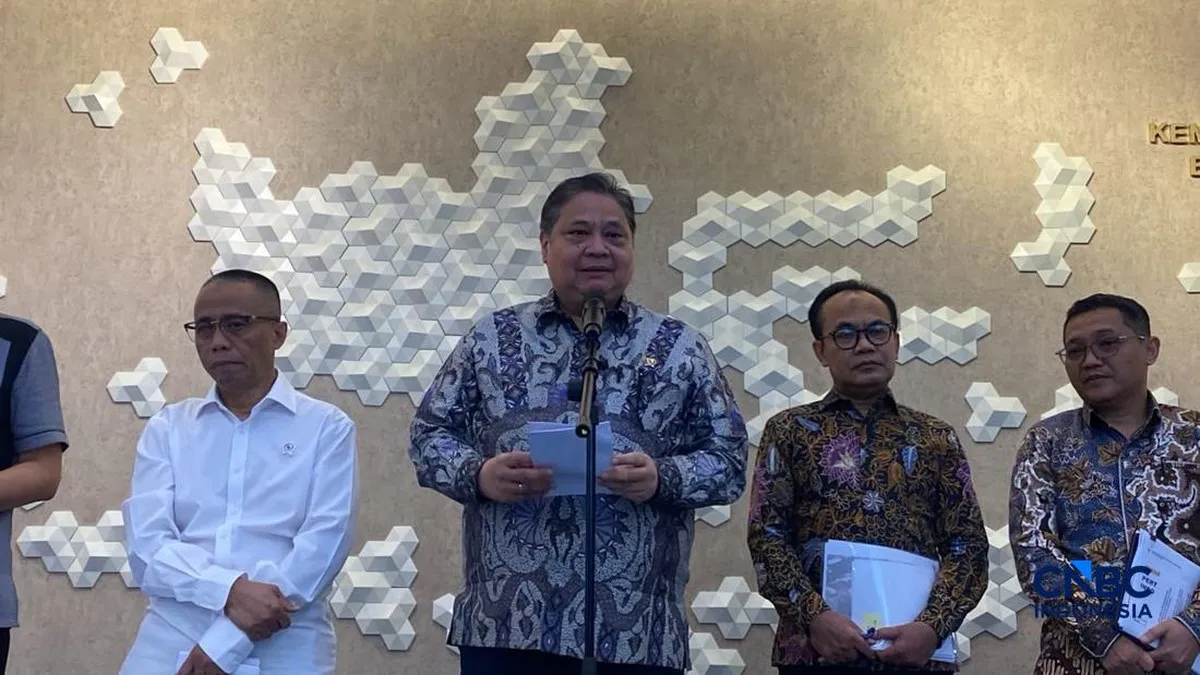
Indonesia's Coordinating Minister for Economic Affairs Airlangga Hartarto said subsidised fuel supplies and distribution remained relatively secure through December 2026, despite the rupiah weakening to Rp18,250 per US dollar.
Speaking to reporters on 13 November, Airlangga said that assessment depended on global oil prices remaining around US$92–93 per barrel and the exchange rate staying at its current level. Under those conditions, he considered the situation manageable until the end of the year.
A weaker rupiah can raise energy procurement costs because Indonesia imports part of its oil and fuel requirements. Combined with higher global oil prices, it could also increase pressure on the state budget if the government absorbs the gap between fuel costs and regulated retail prices.
Separately, the Energy and Mineral Resources Ministry set the average Indonesian Crude Price for October 2026 at US$117.24 per barrel, an increase of US$4.43 from September's US$112.81.
In a statement dated 11 November, the ministry's director-general of oil and gas, Laode Sulaeman, attributed the increase to international market conditions and escalating geopolitical tensions that lifted war-risk premiums. He said prices had risen across all international crude benchmarks.